Estamos buscando personas, organizaciones, equipos o colectivos con interés en liderar la creación de un espacio de cine y uno de literatura para promover nuevas y mejores conversaciones sobre las desigualdades en nuestra sociedad. Su misión será diseñar y estructurar estos espacios desde cero, de manera innovadora.
Las actividades previstas serán, pero no se limitan a:
Diseñar y estructurar un espacio de lectura y uno de cine, que contemplen por lo menos un encuentro mensual durante tres meses, y que aborden temas relacionados con las desigualdades. En este diseño deberá definirse la audiencia objetivo de ambos espacios y las razones por las que se elige este público.
Investigar y seleccionar materiales (libros y películas) relevantes para abordar las desigualdades.
Organizar y coordinar sesiones regulares de ambos espacios.
Facilitar discusiones y debates en los encuentros presenciales, promoviendo un ambiente de diálogo abierto y respetuoso. Esto incluye la búsqueda y selección de espacios adecuados para el desarrollo de las actividades. Los costos asociados a la implementación de los espacios no deben estar incluidos en la propuesta económica.
Implementar estrategias para involucrar activamente a los participantes en las actividades de lectura y cine.
Diseñar instrumentos de evaluación de los espacios para identificar cambios en las narrativas y perspectivas sobre las desigualdades a lo largo del tiempo.
Productos:
Sistematización de las metodologías y de las discusiones durante los espacios.
Diseñar instrumentos, guías pedagógicas o herramientas que otras organizaciones o grupos puedan usar para crear espacios de deliberación constructiva sobre las desigualdades.
Informe escrito.
¿Cómo aplicar?
Completar el siguiente FORMULARIO, a más tardar, el 26 de mayo de 2024.
Enviar dudas a [email protected] con el Asunto: CONSULTORÍA CINE Y LITERATURA
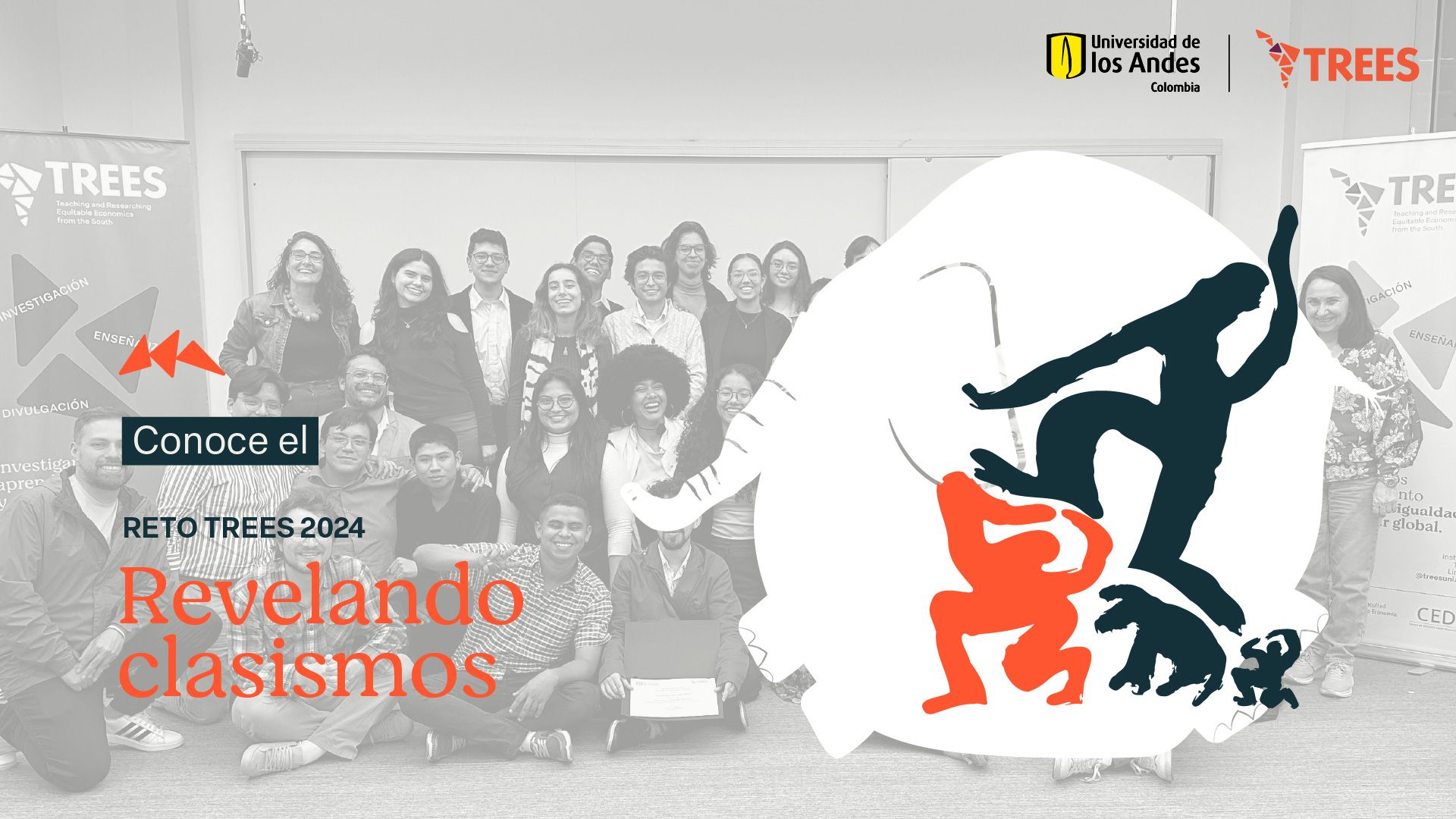
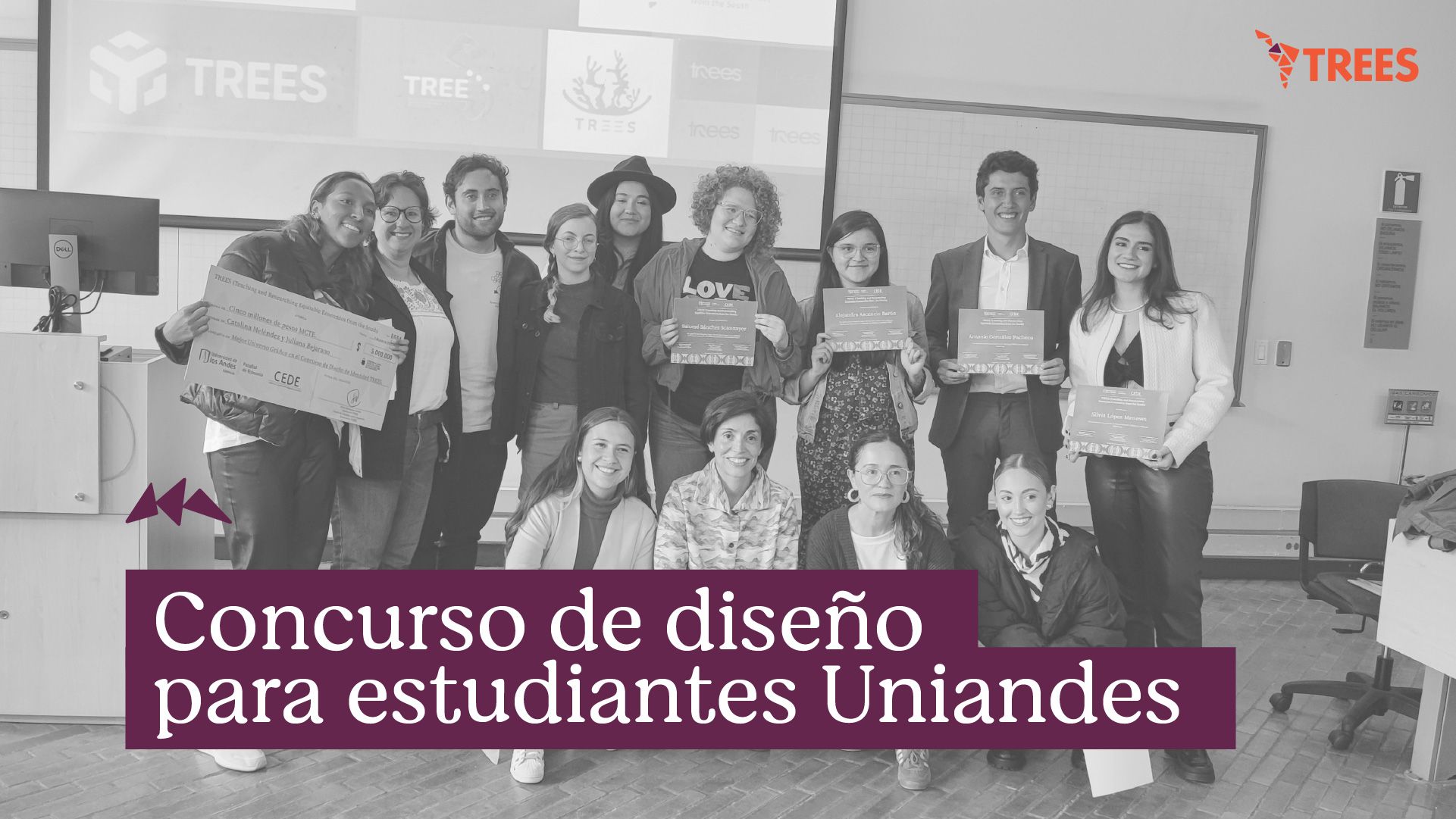
El clasismo es el elefante blanco de nuestras interacciones con las demás personas. A menudo, esta forma de discriminación se oculta en las estructuras sociales y se manifiesta en la vida cotidiana. Reconocer y revelar el clasismo en nuestro entorno nos permite cuestionar nuestras propias actitudes y prejuicios, así como comprender cómo afecta a las personas en una multiplicidad de maneras.
¿Quieres investigar sobre el clasismo para comprender su alcance y trabajar hacia una sociedad más justa?
Usando ciertas metodologías de la investigación de acción participativa, los y las estudiantes indagarán sobre actitudes, percepciones, relaciones o prácticas relacionadas al clasismo para diseñar estrategias participativas y colaborativas que fortalezcan la cohesión social solidaria.
Quienes participen aprenderán a:
Aplicar adecuadamente metodologías de la investigación de acción participativa.
Utilizarestrategias para cooperar y solucionar tensiones que surgen de la acción colectiva.
Identificar y analizar críticamente actitudes, percepciones, relaciones o prácticas que promueven o mitigan el clasismo.
Este reto está dirigido a:
Estudiantes de cualquier disciplina de maestría o de pregrado de quinto semestre o superior. Cada equipo debe estar conformado por cinco estudiantes mayores de edad y contar con un(a) profesor(a) universitario(a) que provea liderazgo general a lo largo del reto.
El reto
Está dividido en seis fases que guían a los equipos a diseñar y realizar una investigación de acción participativa en su entorno cercano para identificar y analizar críticamente actitudes, percepciones, relaciones o prácticas que promueven o mitigan el clasismo. Cada equipo trabajará de manera colectiva y con las personas que hacen parte del entorno en donde se hace la investigación. Las seis fases funcionarán así:
En la primera, los equipos elegirán el entorno en donde pretenden realizar la investigación de acción participativa.
En la segunda, concertarán con las personas del entorno elegido si desean participar y en qué medida.
En la tercera, los equipos definirán, junto con las personas del entorno elegido, la pregunta de investigación y los métodos que utilizarán para resolverla.
En la cuarta, los equipos harán la investigación.
En la quinta, sintetizarán y consolidarán todo el proceso de aprendizaje en tres entregables.
La sexta, última fase, será un encuentro presencial con todos los equipos en la Universidad de los Andes los días 19 y 20 de octubre. En este espacio, los equipos compartirán sus experiencias durante el desarrollo del reto y recibirán retroalimentación de los demás participantes. El 20 de octubre cada equipo realizará una presentación final a un panel de jurados y a los demás equipos. Ganan todos los equipos que obtengan una puntuación final promedio superior a 80/100.
Habrá seis clases magistrales virtuales sobre metodologías y principios de la investigación de acción participativa y sobre conceptos y temáticas relacionadas al clasismo a cargo de profesores universitarios.
Financiación
En esta edición del Reto TREES: revelando clasismos, seleccionaremos a los mejores seis equipos de todos los que apliquen. Cada equipo seleccionado recibirá $500,000 COP para cubrir los gastos directamente relacionados a la realización de la investigación de acción participativa. De esos seis equipos, seleccionaremos a los equipos ganadores que recibirán $2,000,000 COP para cubrir los gastos relacionados a la continuación del proceso de investigación de acción participativa o para implementar una acción concreta que permita enfrentar el clasismo, según sus resultados y conclusiones.
Otorgaremos dos becas para equipos conformados por estudiantes de universidades en Colombia que residen fuera de Bogotá. Esta beca cubre el alojamiento, la alimentación, el transporte local y los tiquetes ida y vuelta para que asistan al encuentro presencial el 19 y 20 de octubre en la Universidad de los Andes.
Proceso de aplicación
El proceso de aplicación estará abierto entre el 9 de mayo y el 5 de junio de 2024. El viernes 21 de junio anunciaremos quiénes son los seis equipos seleccionados para hacer parte del reto.
Para aplicar al reto, los equipos ya conformados deben realizar un pre-registro en Obertura.
Luego, diligenciar el Formulario de aplicación, adjuntar la Carta de compromiso de mentores y adjuntar la Carta de motivación. Las instrucciones están disponibles en Obertura una vez se finalice el pre-registro.
Los equipos serán evaluados por una mesa de jurados de la iniciativa TREES según los criterios de evaluación de la Carta de motivación, disponible en Obertura.
Compromisos y responsabilidades
Los equipos seleccionados para participar en el reto deberán firmar y diligenciar el Acuerdo de compromiso que está disponible en Obertura. Los y las estudiantes deberán disponer de, en promedio, dos horas semanales.
Propiedad intelectual
Las personas que participen en el reto y en la investigación de acción participativa serán coautoras o cotitulares de los documentos, presentaciones, conclusiones y entregables que realicen. El equipo de TREES ofrecerá apoyo en la divulgación de algunos de estos y dará visibilidad a los(as) autores(as) que participaron en su creación.
Tal como se indica en el Acuerdo de compromiso, las personas que participen en el reto y en la investigación de acción participativa deberán brindarle autorización de uso y difusión a la Fundación Ford y a la Universidad de los Andes.
Ante cualquier duda adicional, porfavor no dude en contactarnos por correo a[email protected]
La iniciativa TREES (Teaching and Researching Equitable Economics from the South), liderada por el Centro de Estudios sobre Desarrollo Económico (CEDE) de la Universidad de los Andes, extiende la invitación a estudiantes matriculados en programas de posgrado en Economía y disciplinas relacionadas, así como a aquellos en los últimos semestres de sus estudios de pregrado, a postularse a la Beca TREES para el Bogotá Summer School in Economics. Estas becas están destinadas al curso “Understanding Inequality: Theory, Evidence and Methodology”, impartido por la Universidad de los Andes como parte de la quinta edición del Bogotá Summer School in Economics.
El curso estará liderado por:
Branko Milanovic – City University of New York, Estados Unidos.
Mauricio De Rosa – Universidad de la República, Uruguay.
Facundo Alvaredo – London School of Economics, Reino Unido.
Para más información, visita el sitio del curso aquí
Los ganadores de la beca recibirán un apoyo del 50% de la matricula, cuyo monto total es de COP 2.733.000.
¿Quiénes pueden aplicar?
Personas que se encuentren inscritas en los últimos semestres de algún programa de pregrado en Economía o áreas afines y que cumplan con los prerrequisitos del curso.
Personas que se encuentren inscritas en algún programa de posgrado en Economía o áreas afines y que cumplan con los prerrequisitos del curso.
Una porción importante de las becas será asignada a estudiantes de instituciones de otras ciudades de Colombia distintas a Bogotá y otros países en desarrollo.
Notas:
La ubicación (dentro de Colombia) del programa no es excluyente.
Las personas seleccionadas deberán enviar el comprobante de pago del monto complementario de la beca antes del 10 de junio de 2024. Caso contrario se considerará rechazada la beca.
Las personas seleccionadas deberán cumplir con los requisitos del curso.
¿Cómo aplicar?
Debes llenar el siguiente FORMULARIO antes del 5 de mayo de 2024.
Para preguntas y aclaraciones escribir a: [email protected] con el Asunto “Desigualdades -Bogotá Summer School”.
Fechas importantes
Apertura de la convocatoria
23 de abril de 2024
Cierre de la convocatoria
5 de mayo de 2024
Notificación de las adjudicaciones
17 de mayo de 2024
Envío de comprobante de pago del monto complementario de la matrícula
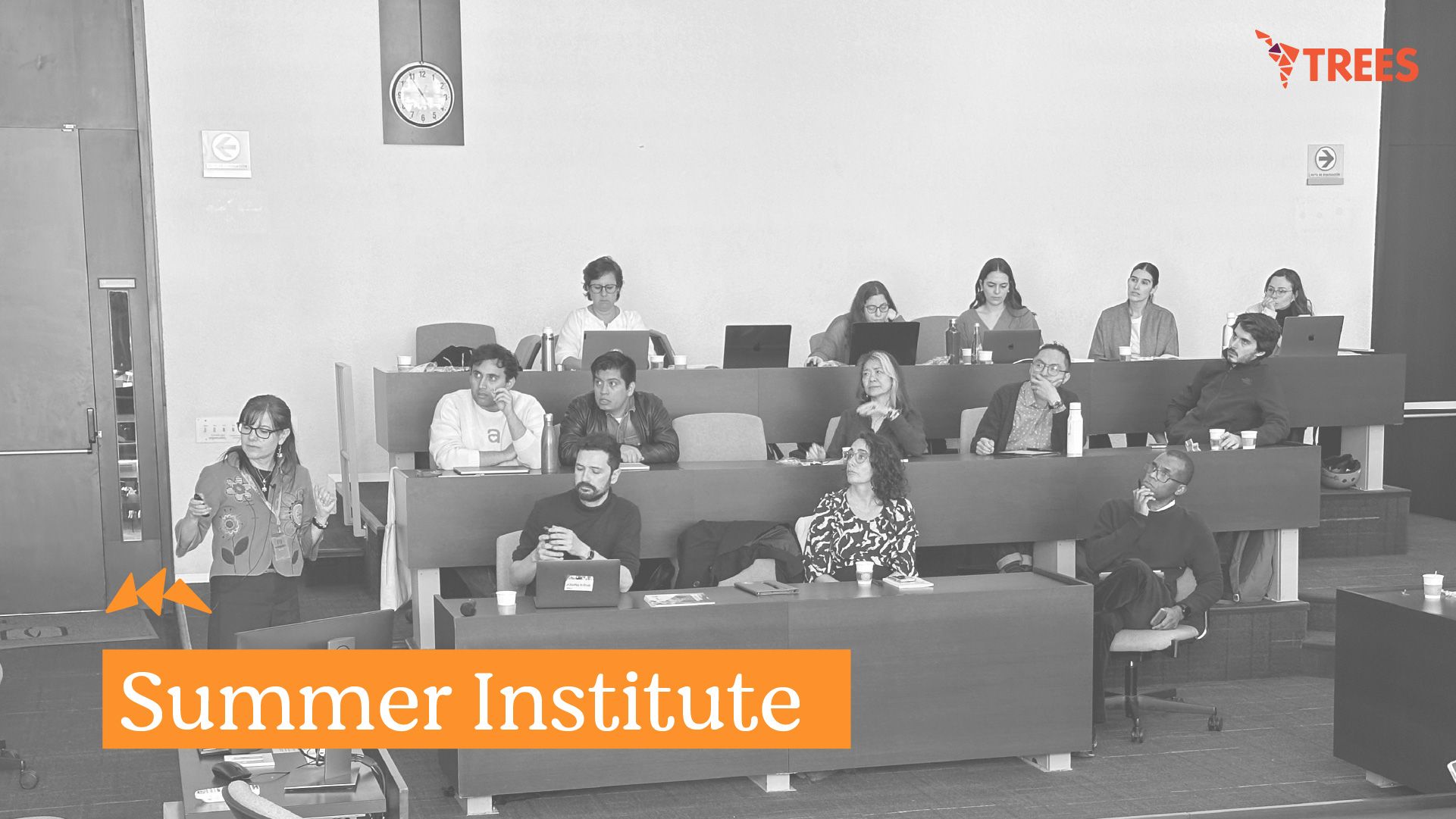
What is the Summer Institute: “Inclusive economies for a Just and Sustainable planet”?
Transitioning towards a more just and sustainable planet requires new ways of thinking and doing research on economics and economic development policy. The Summer lnstitute in Inclusive Economies for a Just and Sustainable Planet will provide a space to advance interdisciplinary and policy-relevant research that supports more inclusive, equitable and sustainable economic systems.
The Summer lnstitute is a four-day program that will bring together 42 participants from the Global North and South to discuss new ways of thinking in economics and economic development policy. There will be in-depth presentations and discussions structured around the tour following themes:
Architecture and Inequality: Repurposing Housing, Infrastructure and Cities for Economic Inclusion.
Nurturing the Commons Place-based and Solidarity Approaches for a Just Planet.
Measuring lnequality Economic Exclusion as a social determinant of health.
Feminist Approaches to Economics and the Care Economy.
The final day will provide an opportunity for participants to reflect on connections between the tapies discussed and to explore potential of collaborations in the future. By fostering dialogue and collaboration across disciplines and types of participants, we hope to contribute to the advancement of research and policy knowledge towards building more inclusive and sustainable economies worldwide.
The Summer lnstitute is co-organized by the TREES (Teaching and Researching Equitable Economics from the South) initiative at University of the Andes and the lnstitute for Inclusive Economies and Sustainable Livelihoods at the University of Toronto, with the support of the Centre for Global Social Policy’s Care Economy in Context Global Partnership research project (University of Toronto) and the Sustainable Development Goals lnstitutional Strategic lnitiative (University of Toronto).
Who should apply?
The program is interdisciplinary, welcoming early career academics (assistant professors, postdocs, advanced Ph.D. students) from across the social sciences, as well as intellectually engaged practitioners from government, civil society, and industry interested in innovative thinking and policies to promote inclusive economies. For practitioners, we define “early career” as encompassing policymakers or professionals within the initial five years of their careers. Additionally, individuals transitioning from different professional backgrounds into the realm of inclusive economies will also be considered for participation in the institute.
While we will give priority to individuals based in the Americas (North, Central, South America and the Caribbean), participants from other parts of the world are encouraged to apply. The Summer lnstitute will be conducted in English and Spanish (you will need to be fluent in one of those languages to participate.
Why should you apply?
This summer school offers a unique opportunity for learning at no cost to admitted participants, covering tuition, travel and accommodation in Bogota*. The Summer lnstitute in Inclusive Economies for a Just and Sustainable Planet will provide a space to:
Advance interdisciplinary research and policy initiatives aimed at advancing more inclusive, equitable and sustainable economic systems.
Cultivating and facilitating an international collaborative network that bring together academics from different disciplines as well as fostering a dialogue between senior researchers, early career scholars and practitioners interested in these topics.
Facilitate interdisciplinary exchanges by bringing economists into conversation with scholars from other fields.
Explore novel perspectives to research, measure and intervene in the dynamics of our diverse economies and envision pathways toward a more just and sustainable planet.
*We are offering 10 to 15 bursaries to cover travel and accommodation expenses in Bogotá for early-career scholars and practitioners traveling from other cities or countries to attend the institute.
Organizing committee and invited participants
University of the Andes Faculty
María José Álvarez-Rivadulla (Professor of Sociology, University of the Andes).
Juan Camilo Cárdenas (Director, Centro Objetivos Desarrollo Sostenible (CODS) para América Latina; Professor of Economics, University of the Andes).
Leopoldo Fergusson (Director, Centro de Estudios sobre Desarrollo Económico (CEDE); Professor of Economics, University of the Andes).
Natalia Ramírez Bustamante (Co-Founder, Digna: Trabajo y Género; Associate Professor of Law, University of the Andes).
Olga Lucía Sarmiento (Professor of Public Health, University of the Andes).
University of Toronto Faculty
Elizabeth Dhuey (Associate Professor of Economics, University of Toronto).
Caroline Hossein (Founder, Diverse Solidarity Economies (DISE) Collective; Associate Professor, Global Development Studies, University of Toronto).
Sergio Montero (Director, lnstitute for Inclusive Economies & Sustainable Livelihoods (IIESL), Associate Professor of Geography & Planning, University of Toronto).
Ito Peng (Director, Centre for Global Social Policy; PI of Care Economies in Context research project, Professor of Sociology, University of Toronto).
Erica di Ruggiero (Associate Professor of Global Health, University of Toronto).
Rob Gillezeau (Assistant Professor of Economics, University of Toronto).
Invited Senior Practitioners
Aline Cardoso (Ex Secretária Municipal de Desenvolvimento Econômico e Trabalho, São Paulo, Brazil)
Diana Gómez Correal (Vice-minister of Women, Ministry of Equality, Colombia).
Paola Jirón (President, Consejo Nacional de Desarrollo Territorial, Chile).
Camilo Rey (Secretario de Planeación de Cartagena, Colombia).
Ana María Tribin (Senior Economist, World Bank – DECWBL; Co-founder, Digna: Trabajo y Género).
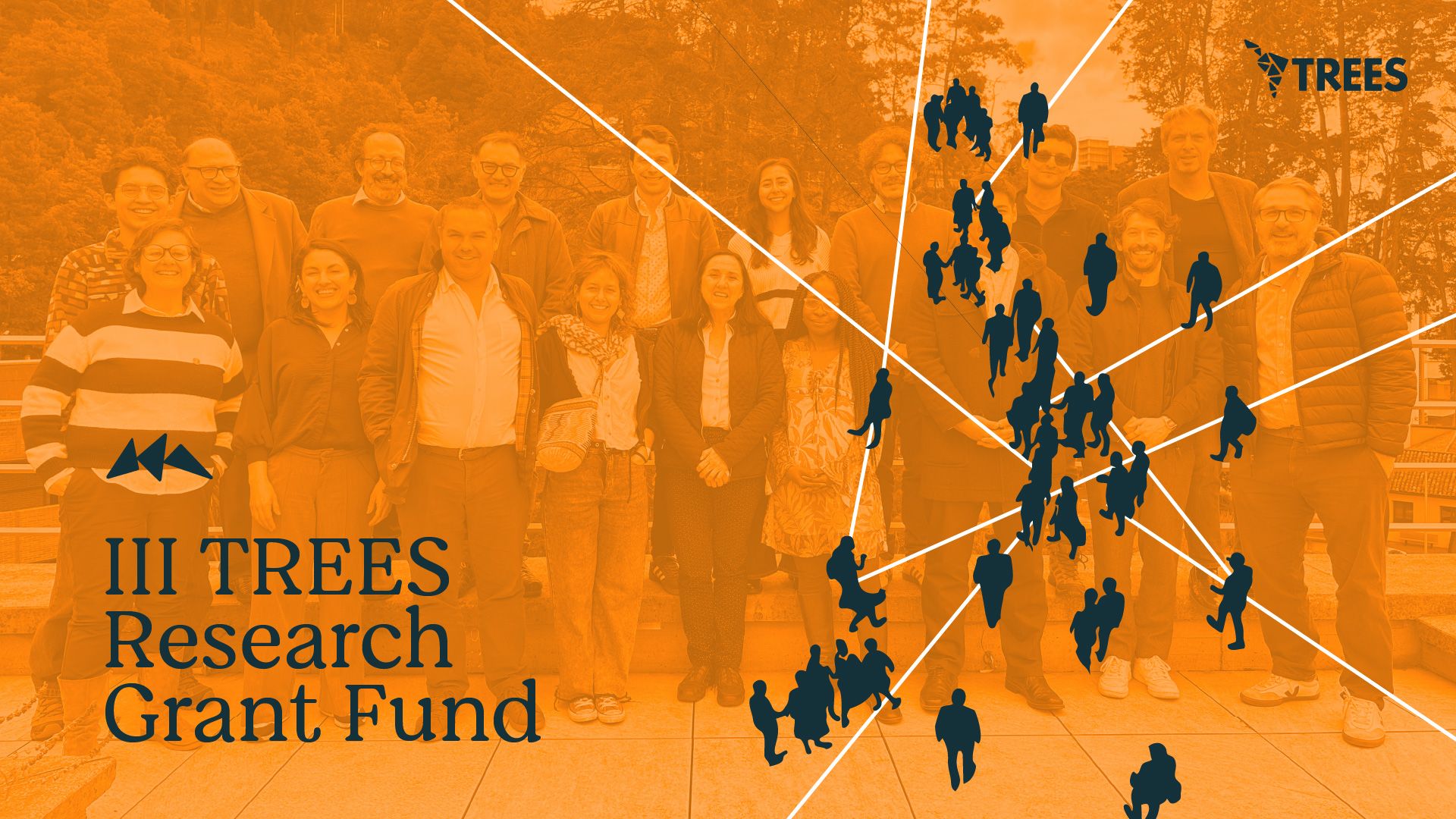
TREES (Teaching and Researching Equitable Economics from the South), an initiative of the Center for Studies on Economic Development (CEDE) at the Universidad de los Andes, funded by the Ford Foundation, is seeking research proposals to understand the causes and consequences of inequality, broadly defined.
Projects led by Principal Investigators (PI) based in Latin America and the Caribbean will receive support of up to COP 80,000,000 each.
We are open to research contemplating non-economic aspects of inequality. TREES welcomes empirical studies and contributions to the measurement, conceptualization, and historicization of inequality.
Some non-comprehensive topics of reference may be:
Social segregation along income lines.
The economic and cultural implications of segregation.
Women in the economy of the global south.
Cultural, racial, gender diversity.
Environmental justice.
Social interactions: Migration.
Stereotypes and discrimination.
Inequality and segregation in the labor market.
Teaching inequality from different areas of knowledge.
Fiscal issues and inequality.
Formal and informal rules, norms, and inequality.
Citizens and the State.
Teaching to students with diverse characteristics
TREES encourages rigorous and intellectually ambitious research and welcomes proposals from multiple disciplinary and methodological perspectives, both domestically and internationally.
Application Details
Phase 1: Letter of Inquiry.
Fill out the Letter of Inquiry form to express interest in the TREES Research Grant Fund. No later than May 5, 2024, at 11:59 PM Bogotá Time (UTC -5).
Questions may be sent by e-mail no later than April 20, 2024, to the below address:
Invitations to submit full proposals will be sent no later than May 27, 2024
Full proposal submissions (by invitation only). Principal Investigators invited to present full proposals will be notified no later than June 13, 2024.
You will be notified that your submission has been received within one week of submission.
Importantnotes:
Due to the high volume of submissions, we regretfully cannot guarantee feedback on all received proposals at any stage of the selection process.
To include all Latin America and the Caribbean, this call, the documents to be delivered, the deliverables, and the associated events will be in English.
Grants are awarded to the Host Institution with the explicit commitment that this institution offers appropriate conditions for the Principal Investigator and their team to direct the research and manage its funding for the project’s duration. When the host institution commits to providing the appropriate conditions for the development of research and management of funds, it is expected that the administrative tasks or indirect costs will be a cost-share of the host institution.
The grant cannot be awarded directly to individuals.
Intellectual property shall remain with the PI, but they grant dissemination rights to Uniandes and the Ford Foundation.
Any relevant changes to the proposal or team shall be submitted to [email protected] and will be subject to approval.
Evaluation Criteriaand process
The selection committee comprises the three Principal Investigators of TREES. If the submitted topics warrant it, external evaluators may be invited. At each stage of the selection process, proposals undergo independent evaluations by a minimum of two Principal Investigators. Following this initial assessment by at least two Principal Investigators, proposals are discussed by the selection committee at large, and those that garner greater consensus are funded (fully or partially).
Evaluation Criteria for the Research Proposal:
Clarity and Relevance of the Research Problem (5 Points)
Problem Statement: The proposal must clearly articulate the research problem, ensuring it is directly connected to issues of inequality.
Question, Objectives, and Justification: The proposal should specify the research question, outline the objectives, and justify the significance of the research clearly and concisely.
Contribution’s Relevance and Novelty: The proposal must highlight how the research contributes new insights or approaches to the field, emphasizing both relevance and innovation.
Methodological Design (5 Points)
Appropriateness of Methodology: The proposal should demonstrate that the chosen methodology is suitable and robust enough to address the research problem effectively.
Feasibility and Resources
Realistic Proposal: The proposal must assess its feasibility, considering the resources available and the time frame.
Availability of Data and Resources: It should confirm that data and essential resources can be acquired within the proposed budget and time constraints.
Outreach (3 Points)
Outreach Strategy: The proposal should indicate if there is a strategy for disseminating results or engaging with broader communities.
Clarity in Writing (3 Points)
Writing Quality: The proposal must be written with clarity, making it accessible and understandable to reviewers, without sacrificing depth or complexity.
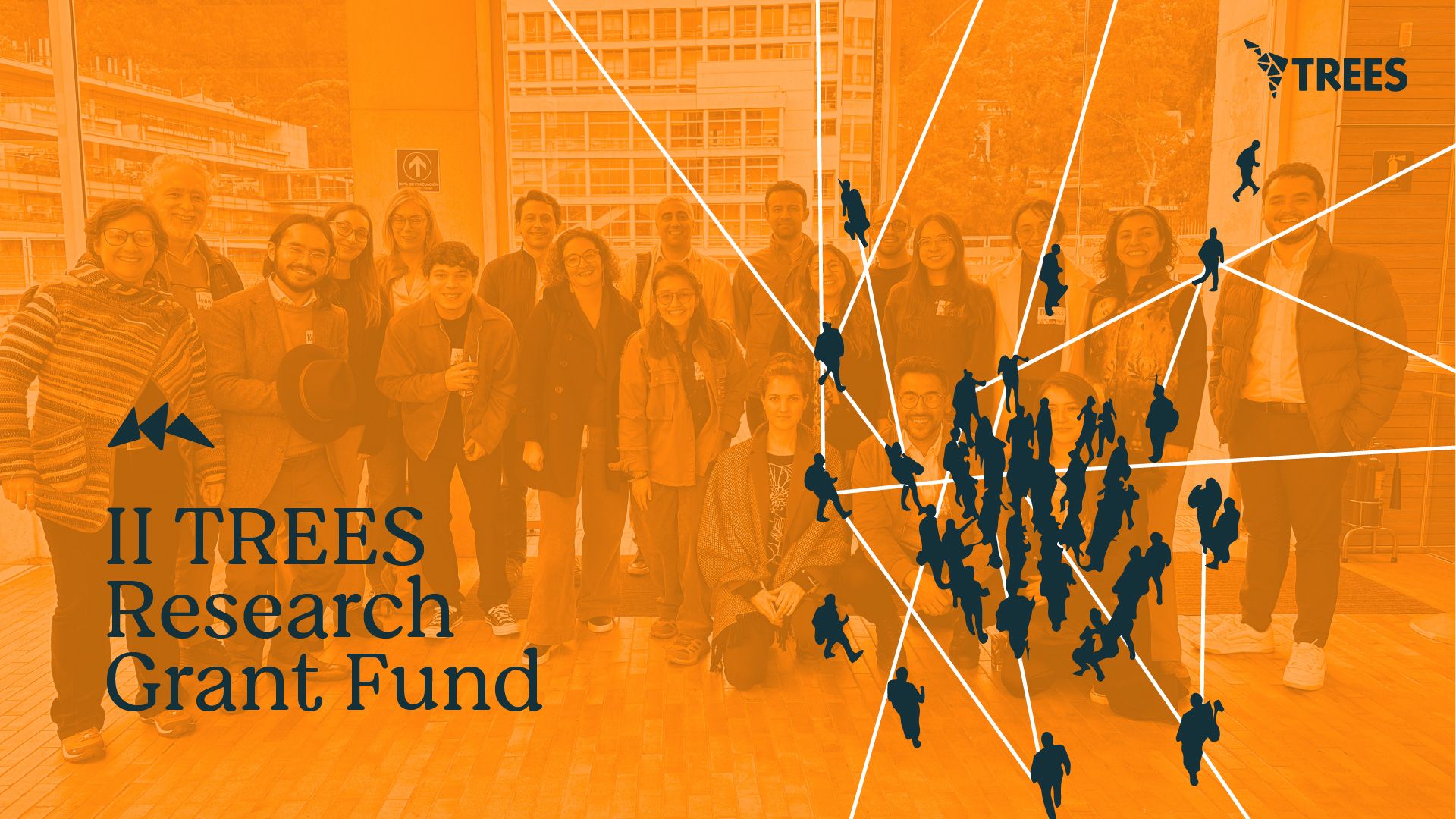
TREES (Teaching and Researching Equitable Economics from the South), an initiative of the Center for Studies on Economic Development (CEDE) at the Universidad de los Andes, funded by the Ford Foundation, is seeking research proposals to understand the causes and consequences of inequality, broadly defined.
Projects led by Principal Investigators based in Latin America and the Caribbean will receive support of up to COP 60,000,000 each.
We are open to research contemplating non-economic aspects of inequality. TREES welcomes empirical studies and contributions to the measurement, conceptualization, and historicization of inequality.
Some topics of reference may be:
Social segregation along income lines.
The economic and cultural implications of segregation.
Women in the economy of the global south.
Cultural, racial, gender diversity.
Environmental justice.
Social interactions: Migration.
Stereotypes and discrimination.
Inequality and segregation in the labor market.
Teaching inequality from different areas of knowledge.
Fiscal issues and inequality.
Formal and informal rules, norms, and inequality.
Citizens and the State.
Teaching to students with diverse characteristics
TREES encourages rigorous and intellectually ambitious research and welcomes proposals from multiple disciplinary and methodological perspectives, both domestically and internationally.
Invitations to submit full proposals will be sent no later than February 2, 2024
Full proposal submissions (by invitation only). PIs invited to present full proposals will be notified no later than March 1, 2024.
You will be notified that your submission has been received within one week of submission.
Notes:
To include all Latin America and the Caribbean, this call, the documents to be delivered, the deliverables, and the associated events will be in English.
Grants are awarded to the Host Institution with the explicit commitment that this institution offers appropriate conditions for the Principal Investigator and their team to direct the research and manage its funding for the project’s duration. The grant cannot be awarded directly to individuals.
Intellectual property shall remain with the PIs, but they grant dissemination rights to Uniandes and the Ford Foundation.
Any relevant changes to the proposal or team shall be submitted to [email protected] and will be subject to approval.
TREES busca re imaginar la economía como disciplina y la economía en América Latina, desde una perspectiva del Sur Global. Al estudiar las desigualdades y los obstáculos al desarrollo, desde múltiples disciplinas, construirá narrativas innovadoras que mejoren la comprensión de la desigualdad en sus múltiples dimensiones, así como otros desafíos propios de la región. Para abordar estos retos, TREES trabaja a partir de tres componentes entrelazados: Investigación, Enseñanza, y Divulgación. En estas tres áreas, TREES buscará involucrar a un grupo diverso y multidisciplinario de investigadores, estudiantes, instituciones y países.
La persona seleccionada en la convocatoria de la beca predoc trabajará, en el marco del componente de Investigación, con los Investigadores Principales (IP) de la Iniciativa: Juan Camilo Cárdenas, Leopoldo Fergusson y Jimena Hurtado.
Algunos de los temas de interés son segregación e inclusión social, relación de los ciudadanos con el Estado, desigualdades (de género, etnicidad, región de origen, entre otras), justicia ambiental, informalidad, mercados laborales, enseñanza de la desigualdad en economía desde una perspectiva del sur global.
La posición es ideal para una persona que tenga planes de aplicar a algún programa de doctorado en la Universidad de los Andes o en otras instituciones de educación superior. La persona seleccionada obtendrá una excelente experiencia de investigación y mentorías por parte de los IP de la iniciativa TREES.
TREES (Teaching and Researching Equitable Economics from the South), an initiative of the Center for Studies on Economic Development (CEDE) at the Universidad de los Andes, funded by the Ford Foundation, is seeking research proposals to understand the causes and consequences of inequality.
Nine projects, led by Principal Investigators based in Latin America and the Caribbean, will receive the support of up to COP 60,000,000 each.
This initiative is particularly interested in research proposals incorporating innovative approaches, encouraging dialogue, and facilitating joint knowledge-building between economics and other disciplines. TREES seeks proposals considering the specificities of inequality in the Global South and whose impact goes beyond this specific support, for instance, through initiating a research agenda or establishing new collaborations of greater scope. Candidates with different skills and training backgrounds willing to work on highly innovative research projects are welcome.
TREES will give special consideration to conceptually and methodologically disruptive proposals and contribute to rethinking how we research, educate, and disseminate the economics of inequality.
The initiative will give priority to research contemplating non-strictly economic aspects of inequality. TREES welcomes empirical studies and contributions to the measurement, conceptualization, and historicization of inequality.
TREES encourages rigorous and intellectually ambitious research on the most pressing inequality questions. TREES seeks research with a lasting impact addressing societal needs or challenges. TREES welcomes proposals from multiple disciplinary and methodological perspectives, both domestically and internationally.
Proposal Guidelines
Interested applicants should fill out and submit the following documents:
1) Research Proposal*: You´ll be expected to include:
Project title.
Project summary.
Motivation and objectives: Statement of the research question and description of how it contributes to the objectives of the call.
Methodology.
Expected outputs and how they are expected to impact a wider public or beyond the academy.
Co-funding sources: If co-funding sources still need to be identified or confirmed, evaluate the possibility of accessing these sources.
Capacities that you hope to create and strengthen.
Project Timeline: this should indicate the proposed start and end dates of the project as well as key project events and milestones. The significant activities listed in the project timeline should be reflected in the proposal narrative.
i) References, at most three pages.
*The research proposal (items a-h) may not exceed 7 pages with line spacing equal to or greater than 1.5 and font size equal to or greater than 11p.
2) Budget and Budget Justification: Include each budget item with a brief description and justification. The budget must be proposed in Colombian Pesos (COP). No indirect costs or bonuses for Principal Investigators will be funded. This section may not exceed 1 page with line spacing equal to or greater than 1.5 and font size equal to or greater than 11p.
3) Project Team: Describe the project team and identify the roles, responsibilities, and knowledge base of the Principal Investigator (PI), Co-PI(s), and any supporting researcher(s). If your project includes Co-PIs and other supporting researchers, articulate how the team will work together to complete the research project. Include a current Resume of the PI and Co-PI(s). This section may not exceed 1 page with line spacing equal to or greater than 1.5 and font size equal to or greater than 11p, excluding Resumes.
Eligibility
The PI must be affiliated with a non-profit organization or public/governmental institution willing to serve as the administering organization if the grant is awarded. The host institution must be legally based in Latin America or the Caribbean.
Submission Guidelines
Full proposals for the TREES Research Grant Fund must be submitted by June 18, 2023, at 11:59 PM Bogota time (UTC-5). You will be notified that your submission has been received within one week of submission.
Note:To encourage dialogue between investigators from Latin America and the Caribbean, this call, the documents to be delivered, the deliverables, and the associated events, will be in English.
Note: Grants are awarded to the Host Institution with the explicit commitment that this institution offers appropriate conditions for the Principal Investigator and their team independently to direct the research and manage its funding for the duration of the project. TREES Research Grant Fund cannot be awarded directly to individuals.
Commitments:
The successful candidate is expected to:
1) Comply with the guidelines on lobbying prohibition and the guidelines on prohibition on political campaign intervention detailed in Annex 1.
2) Proof of Institutional Review Board (IRB) approval is not required at the time of proposal submission. If IRB approval is needed for this project and it is chosen for funding, the awarded candidate will be responsible for obtaining IRB review and approval.
3) Complete proposed projects and their financial execution, including the delivery of their final reports and final products, no later than October 15, 2024.
4) Participate in a TREES meeting that will take place during the second quarter of 2024. The logistical and methodological details will be shared later.
5) Comply with deliverables subject to disbursements in accordance with the following schedule:
Deliverables and disbursements
Deliverable
Date
Disbursement rate
· Formalization of grant award.
August 2023
40% of the approved
budget
· Progress Report. Technical report with progress on the proposed project.· A financial accounting report, in COP, which includes a statement by the responsible financial officer of your organization certifying the accuracy of the report. This report must cover the expenses of 40% of the budget.
March 2024
50% of the approved budget
· Final report and outputs.· A financial accounting report, in COP, which includes a statement by the responsible financial officer of your organization certifying the accuracy of the report. This report must cover the expenses of 100% of the budget.
October,2024
10% of the approved budget
ANNEX 1
Direct Lobbying is any attempt to influence legislation through communication that:
Refers to specific legislation;
Reflects a view on the legislation; and
Is to any member or employee of a legislative body or any government official or employee who may participate in the formulation of the legislation.
Grassroots Lobbying is any attempt to influence legislation through communication with the public that:
Refers to specific legislation;
Reflects a view on the legislation; and
Encourages the recipient with a “call to action” regarding the legislation (e.g., to contact a legislator by phone, email, sign a petition, etc.)
What is specific legislation?
Legislation is any action by any legislative body in the U.S. or overseas (e.g., the U.S. Congress, a national parliament, a state legislature, a local city council, etc.), including:
Specific legislative proposals (including those not yet introduced or pending in the body)
Authorizing and budget appropriations legislation
Legislative confirmation of executive appointees
Legislative resolutions, even if they have no binding effect
Treaties subject to legislative approval
A ballot initiative or referendum by the public (where the voters = legislative body)
U.N. resolutions that have binding effect on member states
Model legislation
What is not specific legislation?
The legislation does not include:
administrative rules or regulations enacted by a government agency or ministry
executive orders and other actions solely within executive power
judicial decisions
budget allocation decisions that do not require legislative approval
What does not qualify as lobbying?
There are some exceptions that allow foundation funds to be used for communications that would otherwise be considered lobbying:
1. Technical advice or assistance provided to a governmental body, committee, or subcommittee in response to a written request, if
the request is on behalf of the body (as opposed to an individual legislator); and
the response is made available to all members of the body on a nonpartisan basis, such as at a committee or subcommittee hearing.
2. Nonpartisan analysis, study, or research such as a white paper, report, or panel discussion, if
it contains a sufficiently full and fair exposition of an issue that would allow someone to form an independent opinion or conclusion; and
is distributed broadly (including those on both sides of the issue).
What are some examples?
Some examples of prohibited lobbying include:
drafting, negotiating, or providing comments or other technical assistance on a pending bill
meeting with legislative staff members to ask them to increase funding for a program that requires a legislative budget appropriation
asking the organization’s members to write to their legislators to confirm a judicial appointee
asking the public to vote a particular way on a ballot initiative
Some examples of permissible advocacy include:
Monitoring the progress of pending legislation and sharing the results of the organization’s
Website
Providing testimony at a congressional hearing in response to a letter from the committee
Expressing a view on a bill in an op-ed article that does not ask the public to take any action
Educating legislators on a particular issue without addressing specific legislation
Meeting with staff of a governmental agency to advocate for specific implementing regulations under an existing law
Filing a lawsuit to overturn a law
What are the key elements of prohibited political campaign intervention?
A candidate: Someone who offers himself or herself, or is proposed by others, as a contestant for elective public office at the national, state, or local level in any country.
Intervention includes:
Endorsing or opposing a candidate, verbally or in writing
Rating a candidate’s fitness for office
Contributing to a candidate’s campaign
Publicizing a candidate’s endorsement of the organization’s position
Issuing statements critical or approving of a public official’s actions when that public official is also a candidate
Taking any other action that has the effect of promoting or opposing a candidate Intervention in support or opposition of a political party is also considered to be prohibited campaign intervention.
What kind of political activity is permitted?
1. Nonpartisan voter education is designed to educate the public and does not show a bias for or against a particular candidate or political party.
2. Speaking engagements where a candidate is invited to speak in a capacity other than as a candidate, as long as:
The invitation and publicity for the event, and the speech itself, do not promote the candidacy; and
There is no fundraising for the candidate.
(This should be used only in very limited circumstances because, as a practical matter, it is very difficult to avoid the appearance of endorsing the speaker’s candidacy.)
3. Candidate forums, as long as:
All candidates seeking the same office are offered an equal opportunity to speak;
The organization does not indicate support of or opposition to a candidate;
The questions are unbiased and discuss a broad array of topics of interest to the public;
The candidates are not asked to agree or disagree with positions taken by the organization;
The moderator plays a neutral role and does not suggest approval or disapproval of candidates; and
The moderator expressly states that the forum is not an endorsement of any candidate and all views expressed are those of particular candidates and not the organization.
4. Candidate education, in the form of programs designed to educate candidates about particular issues, as long as they:
Do not include strategy advice;
Are available to all candidates; and
Are nonpartisan (do not favor or disfavor any political party).
5. Political activities of staff and board members in their individual capacities, including when staff and board members themselves run for office, as long as they:
Do not use the organization’s financial resources, facilities, equipment, or personnel (e.g., do
not use work email or conduct the activity during work hours);
Make clear that actions taken or statements made are theirs and not the organization’s; and
Create separate social media accounts for personal political and lobbying activity instead of using accounts that are also used for their work for the organization.
What about issue advocacy?
It is permissible to advocate on issues in an election year, but care must be taken to avoid linking issue advocacy to an election or a candidate. Here are some guidelines:
Do not promote candidates who agree with the organization’s views on a particular issue.
Do not distribute candidate scorecards or seek candidate pledges on specific issues.
Do not provide messaging or polling information to political parties on specific issues.
Be cautious of distributing issue-oriented materials just before an election–make sure the materials are completely nonpartisan and do not preference a candidate or group of candidates.
Avoid urging people to vote based on a particular issue where the issue clearly divides the candidates or parties.
What about voter registration and get-out-the-vote activities?
There are many technical rules that apply to voter registration and get-out-the-vote activities. You may not use Ford Foundation grant funds for such activities unless specifically approved as part of your grant activities in the proposal. Please consult your legal counsel.
El próximo jueves 9 de noviembre, en la Universidad de Medellín, en el Diálogo territorial se reunirá un panel de perfiles de académicos, líderes comunitarios, artistas, empresarios y servidores públicos para hablar sobre la desigualdad desde la perspectiva de la región cafetera colombiana.
Los panelistas tendrán el reto de abordar las desigualdades que se viven en los cuatro departamentos de esta región: Antioquia, Risaralda, Quindío y Caldas. La discusión aprovechará las experiencias y saberes de cada uno para reflexionar sobre tres temas centrales: la desigualdad de acceso a la educación, en el acceso al trabajo digno y las desigualdades a las que se enfrentan los y las jóvenes del país.
Estos son los panelistas de este segundo Diálogo Territorial presencial:
Andrés García, economista e investigador de la Universidad del Rosario en Bogotá. Actualmente es el director del Observatorio de Desigualdad Laboral.
Andrea Carmona, activista, gestora social, tejedora de puentes y contadora de historias. Hace parte del medio de comunicación Le Cuento. Estuvo presente en el estallido social del 2019.
Yoiner Machado, artista y gestor cultural. Creador y director de Unión Latina, una academia de arte que trabaja desde el baile en la comuna 13 en Medellín.
Daniela Trejo, secretaria de Productividad y Competitividad de Antioquia.
Elkin Echeverri, emprendedor y empresario. Ex director de Planeación Ruta N. Director de la fundación Eledé. Actualmente está escribiendo un libro de innovación y ciudades.
Paula Andrea Valencia, docente e investigadora de la Universidad de Medellín.
Allison Benson, moderadora del Diálogo. Directora Reimaginemos.
Además de la discusión, las personas que asistan al evento tendrán acceso al galardonado documental colombiano Indivisibles, que aún no se ha estrenado. Reimaginemos también dará 700 USD en micro apoyos a las iniciativas de diálogo diverso sobre desigualdad propuestos por quienes asistan al evento.
Los Diálogos son oportunidades imperdibles, pues amplían la visión acerca de las desigualdades en los diferentes territorios del país. Si te interesa asistir a la conversación o ver la trasmisión en vivo, inscríbete en este link: https://bit.ly/3FrAIVL
Encuentra toda la información sobre los 32 Diálogos Territoriales en @reimaginemos.colombia