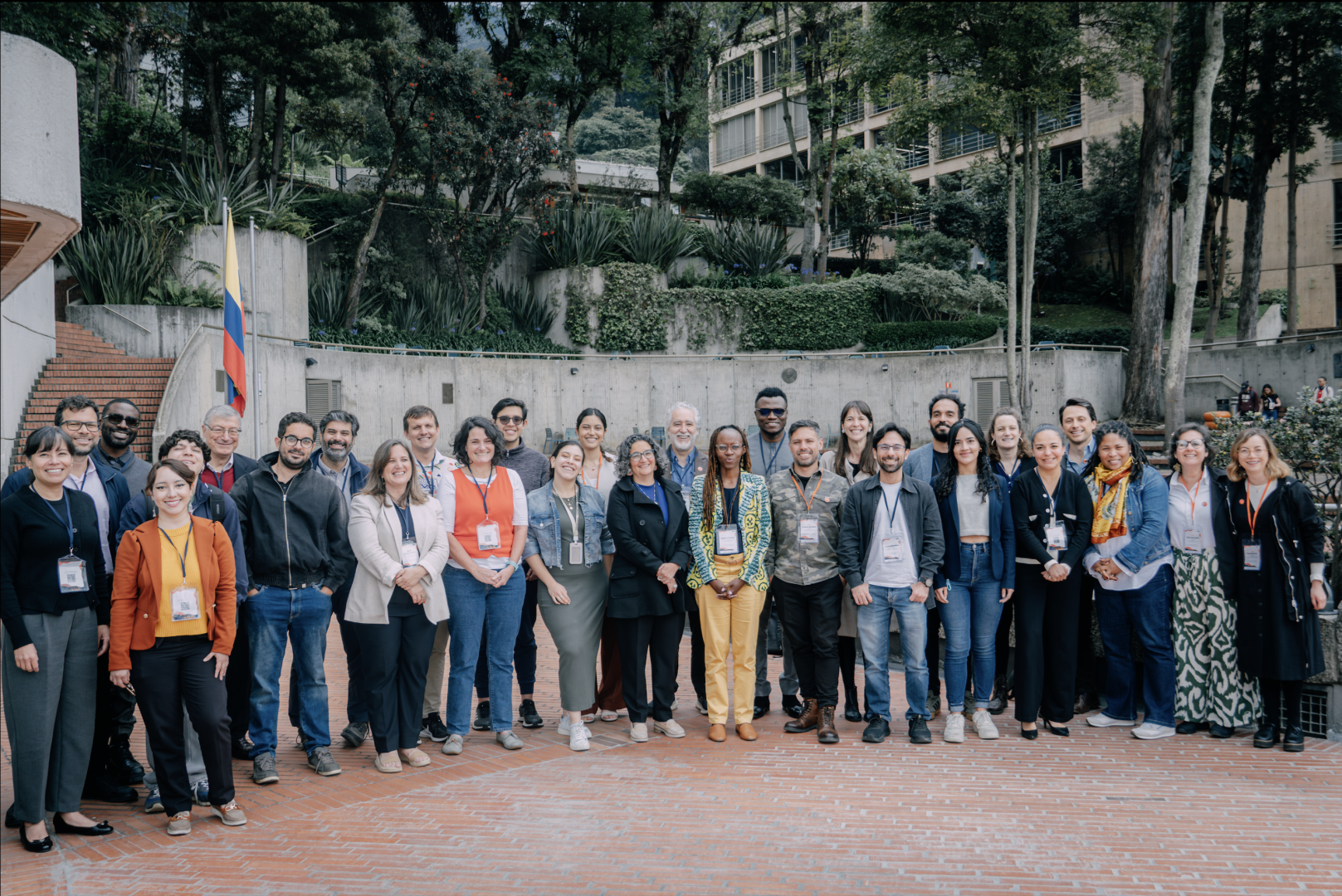
On March 16 and 17, we held the second edition of the Political Economy of the Global South Conference (PEGS) at the Universidad de los Andes.
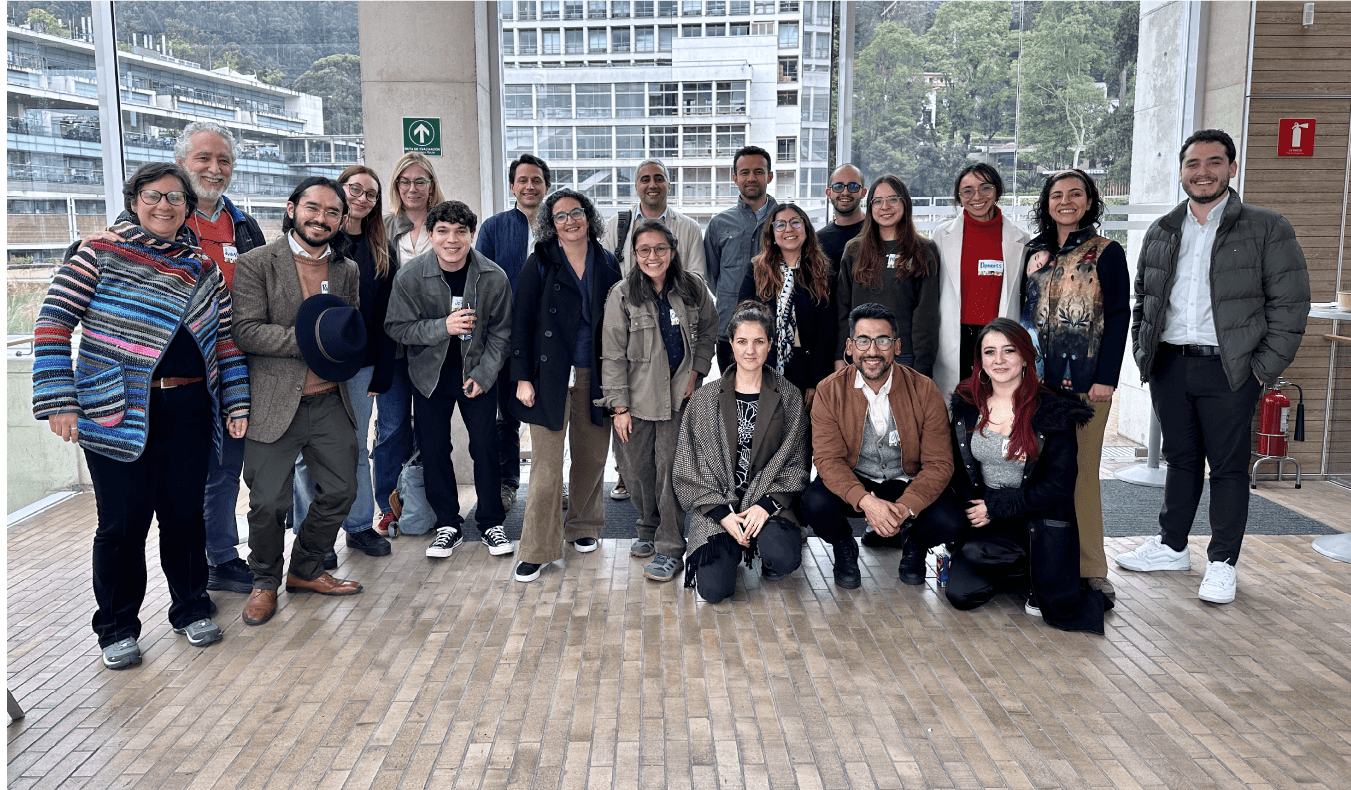
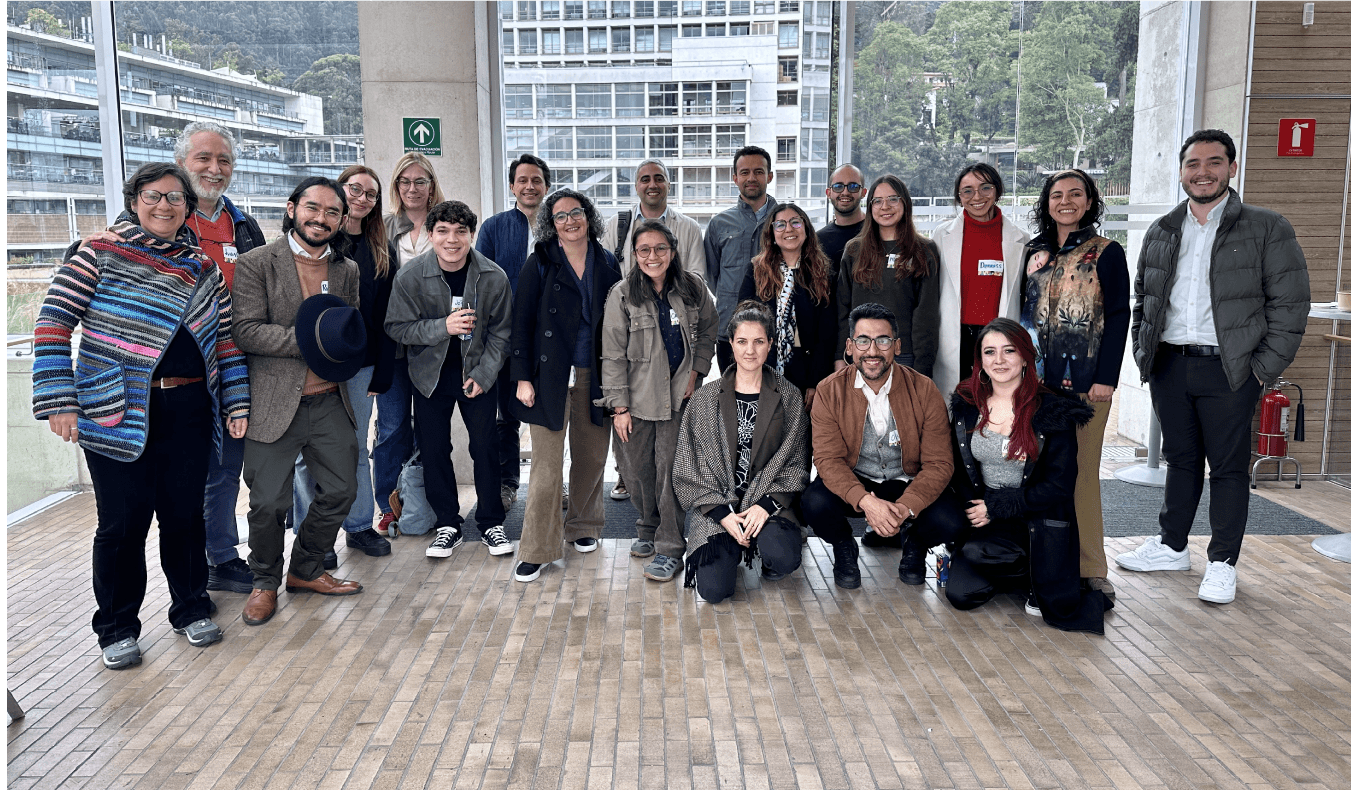
Pictured are conference participants and members of the Emerging Political Economies (EPE) Network.
The meeting brought together academics and international experts in sessions on extractivism, inequality, informality, global fragmentation and international trade, as well as in discussions on new forms of cooperation in the face of the challenges of ecological transition and sustainable development.
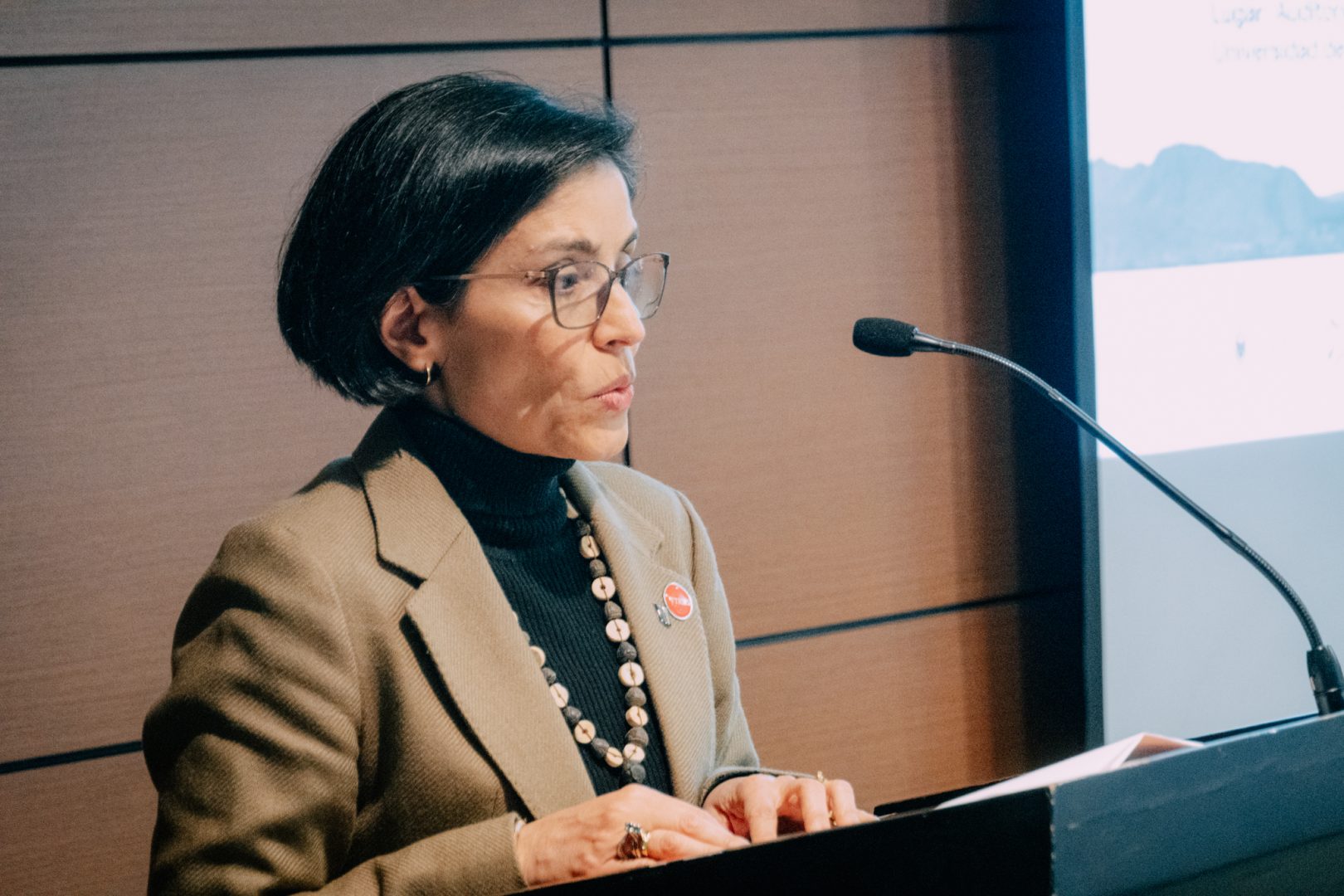
These sessions sought to answer a fundamental question that, as Jimena Hurtado, Vice Rector for Research and Creation at the Universidad de los Andes and co-founder of TREES, put it: “How can we understand an economy that does not work for everyone in countries where inequality is not a figure but a daily reality?.
Jimena Hurtado, Vice Rector for Research and Creation at Universidad de los Andes and co-founder of TREES, giving the opening remarks at the PEGS 2026 keynote.
From this perspective, the conference also sought to generate exchanges between countries of the global south that share histories of violence and the search for ways to transform them, with a potential that goes beyond academic dialogue. In Hurtado's words, this type of space allows the construction of collaborations that connect knowledge with concrete historical, institutional and social processes.
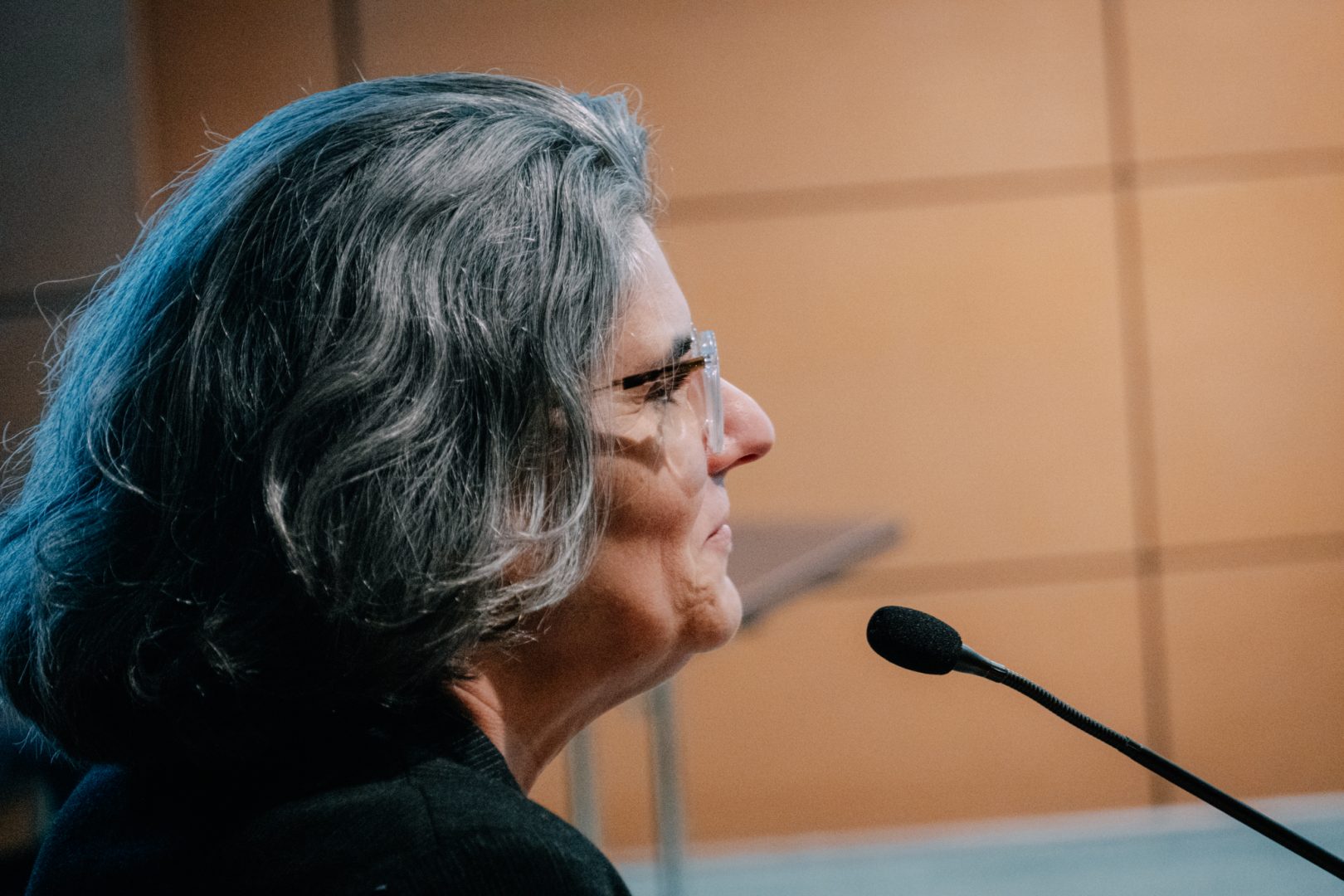
The keynote address was given by Julieta Lemaitre, magistrate of the Special Jurisdiction for Peace (JEP), whose career embodies precisely this crossover between academia and institutions. Her intervention addressed the relationship between citizenship and state, the ways in which communities build solutions in contexts of state absence and the role of justice in post-conflict scenarios, showing how institutions can both reproduce and transform inequalities.
Below, you can view an illustrated publication summarizing ‘Reconstructing’, Lemaitre's keynote lecture.
Julieta Lemaitre, magistrate of the Special Jurisdiction for Peace (JEP), during her keynote lecture ‘Rebuilding’ at PEGS 2026.
Thus, PEGS is conceived as a broader process of dialogue among countries of the global South, recognizing both their differences and the existence of shared structural challenges, including inequalities. It does so by articulating the work of centers or initiatives such as TREES in Colombia, the Center for Critical Imagination (Cebrap) in Brazil, the Applied Economics Program of El Colegio de México, Pathways Beyond Neoliberalism in the American University in Egypt, and the Southern Centre for Inequality Studies at Wits University in South Africa, which collaborate within the Emerging Political Economies (EPE) Network.
As part of this effort to articulate a network of countries that share similar realities, the conference also reflects a commitment to amplify knowledge of these contexts. In Hurtado's words, the aim is to build agendas that are not “recipients of frameworks developed in other contexts, but interlocutors with their own voice and questions”.
In the same vein, several of the panels highlighted the need to review the frameworks from which the problems of the global south are understood. “It is important to have a global south perspective for a global economy. Sometimes we think from a perspective that doesn't resonate with the way people in these countries live,” said Pierre Nguimkeu, professor of economics at Georgia State University and director of the Africa Growth Initiative at the Brookings Institution.
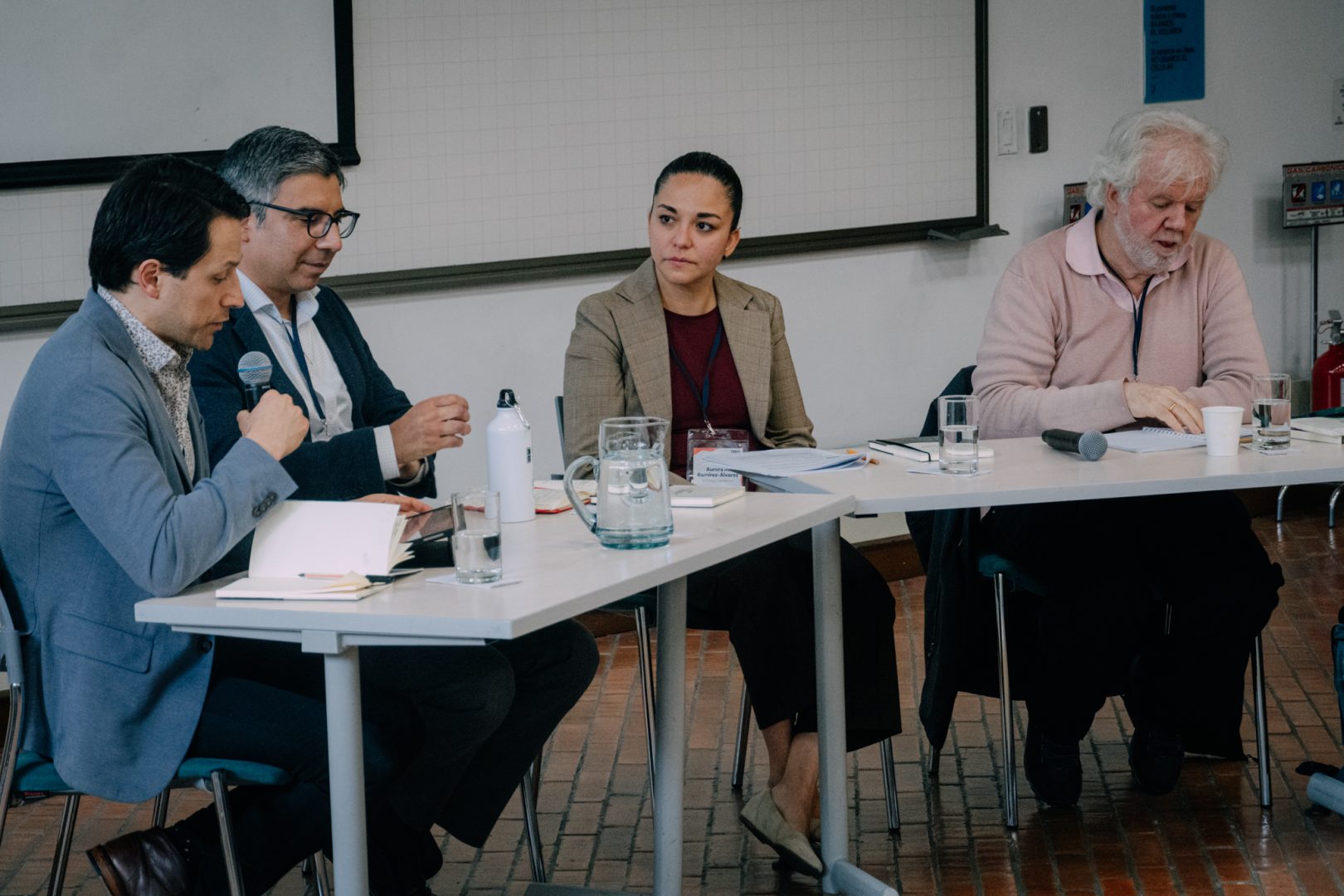
An example of this type of discussion was the session on inequality, led by Leopoldo Fergusson, professor at the School of Economics of the Universidad de los Andes and co-founder of TREES, with the participation of Rodrigo Uprimny, senior researcher at Dejusticia and professor at the Universidad Nacional de Colombia, and Raymundo Campos and Aurora Ramírez Álvarez, professors at El Colegio de México.
There, different dimensions of the structural gaps in the region and the challenges to address them from interdisciplinary approaches were discussed. As Uprimny pointed out, there is a disconnect between the field of human rights and the analysis of inequality: while normative frameworks have made progress in addressing discrimination between groups, “when one enters the field of social and economic inequality, the human rights movement is, in a certain sense, silent”. Along these lines, he stressed the need to connect rights more directly with the dynamics of inequality, not only as a theoretical problem, but also as a practical one.
Pictured, from left to right: Leopoldo Fergusson, professor at the Uniandes School of Economics and co-director of TREES; Raymundo Campos and Aurora Ramírez Álvarez, professors at El Colegio de México.; and Rodrigo Uprimny, senior researcher at Dejusticia and professor at the National University of Colombia.
In this regard, Fergusson stressed that inequality is not limited to income differences, but produces deeper forms of social separation: “people with different income levels live so far apart that they end up being culturally distinct, as if they were different groups”. In this sense, he stressed that one of the central challenges is to think about these gaps not only in terms of distribution, but also in terms of rights and what it means to have an equal position in society, particularly in contexts such as those of Latin America.
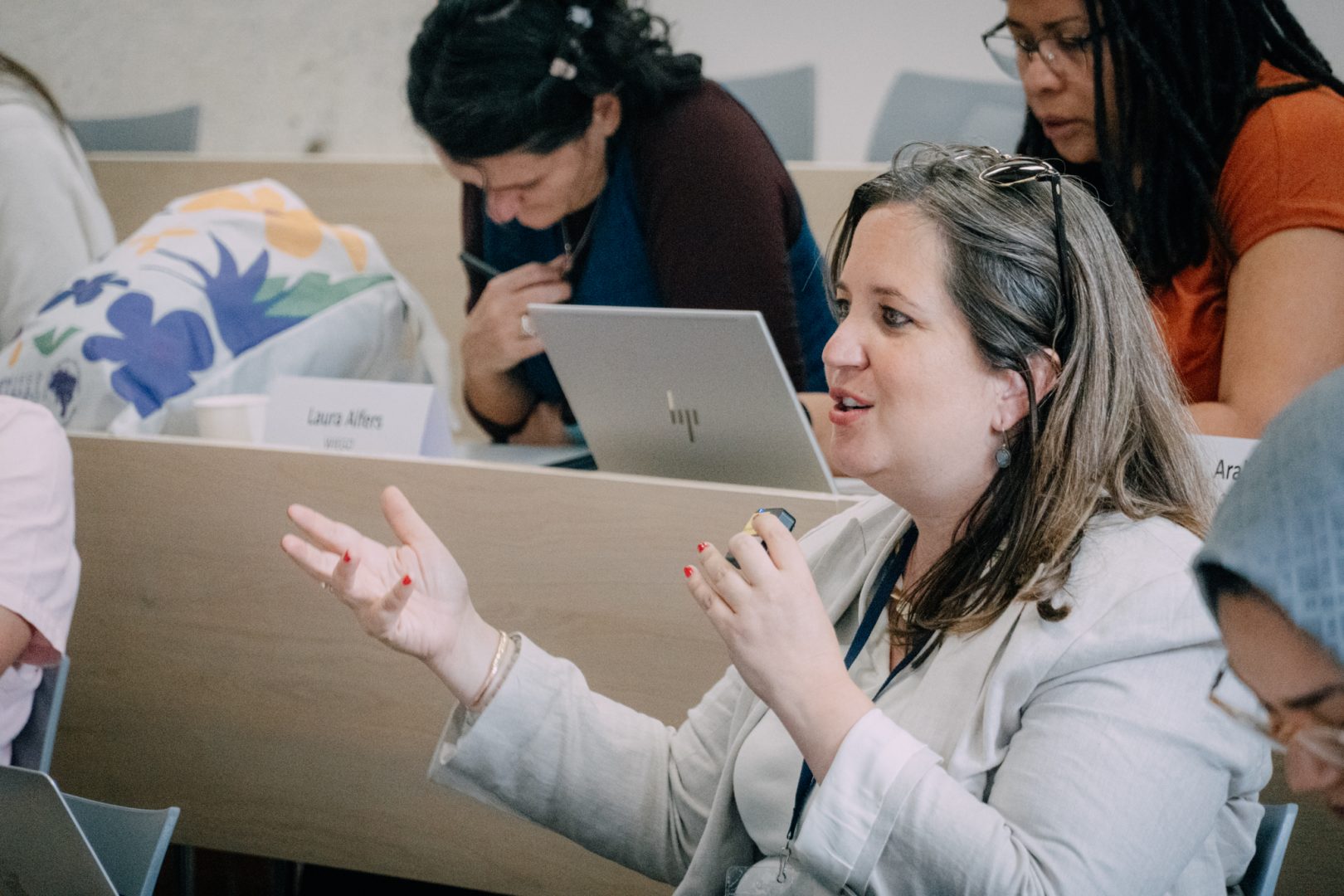
Labor informality was another of the central themes of the meeting. Laura Alfers, WIEGO's international coordinator, raised the discussion aligned with the idea that the frameworks do not coincide with the realities of the countries of the South: “60% of workers are in informal employment, something that could increase with technological change. Our labor institutions are still oriented around an idea imported from countries in the global north, developed in the 1940s and 1950s for labor markets that do not exist in the south.”
In addition to the academic sessions, the conference included a research workshop, a teaching session and strategic spaces for articulation between centers in the global south that are part of the Emerging Political Economies Network, These meetings helped to consolidate a south-south network to promote those voices and questions of their own. These meetings contributed to consolidate a south-south network to promote these voices and questions.
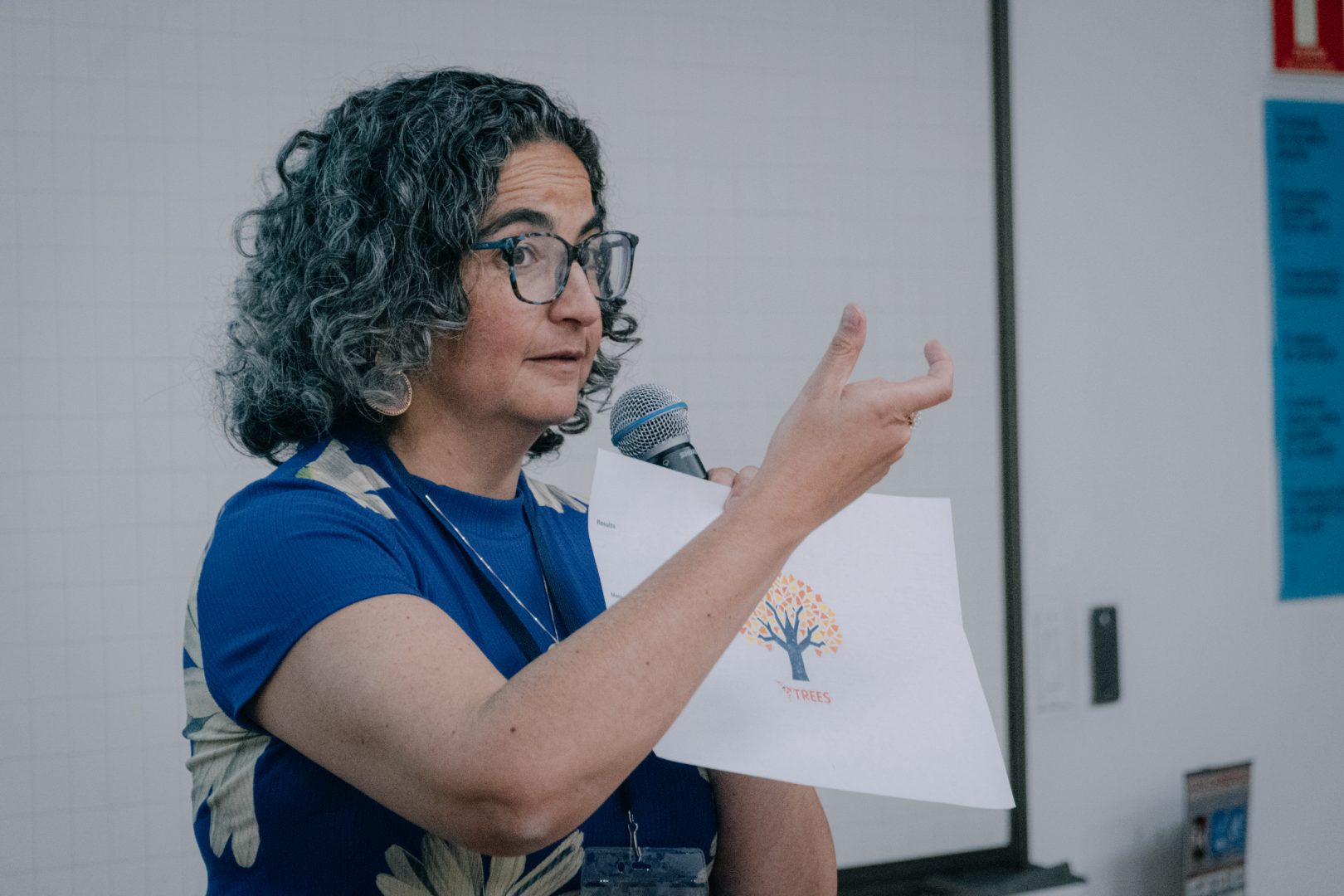
Ruth Castel Branco, Wits University, during the research workshop. Paula Jaramillo, co-director of TREES, during the Teaching session.
Throughout the event, the persistence of overlapping and mutually reinforcing structural gaps was highlighted, many of which go unnoticed because we tend to always look in the same places. In this context, the conference highlighted the need to broaden the analytical approach. In Hurtado's words: “to broaden our gaze, to look where we usually do not look and to accept that absence in the record [evidence or data] does not mean absence in reality”.
In Latin America - and especially in Colombia - the labor market is characterized by high levels of informality, profound inequalities by gender, social origin, race and territory, and by the exclusion of young people, migrants and rural populations.
According to the National Administrative Department of Statistics (DANE), between March and May 2025 the The labor informality rate was 55.9%, This means that more than half of the workers do not pay health or pension contributions. In the scattered rural and populated centers, the proportion reaches 83,4%, This is evidence of a territorial gap.
In addition to this, there are gender inequalities: female women earn an average of 5.8% less than men. per hour worked and face higher levels of unemployment and informality.
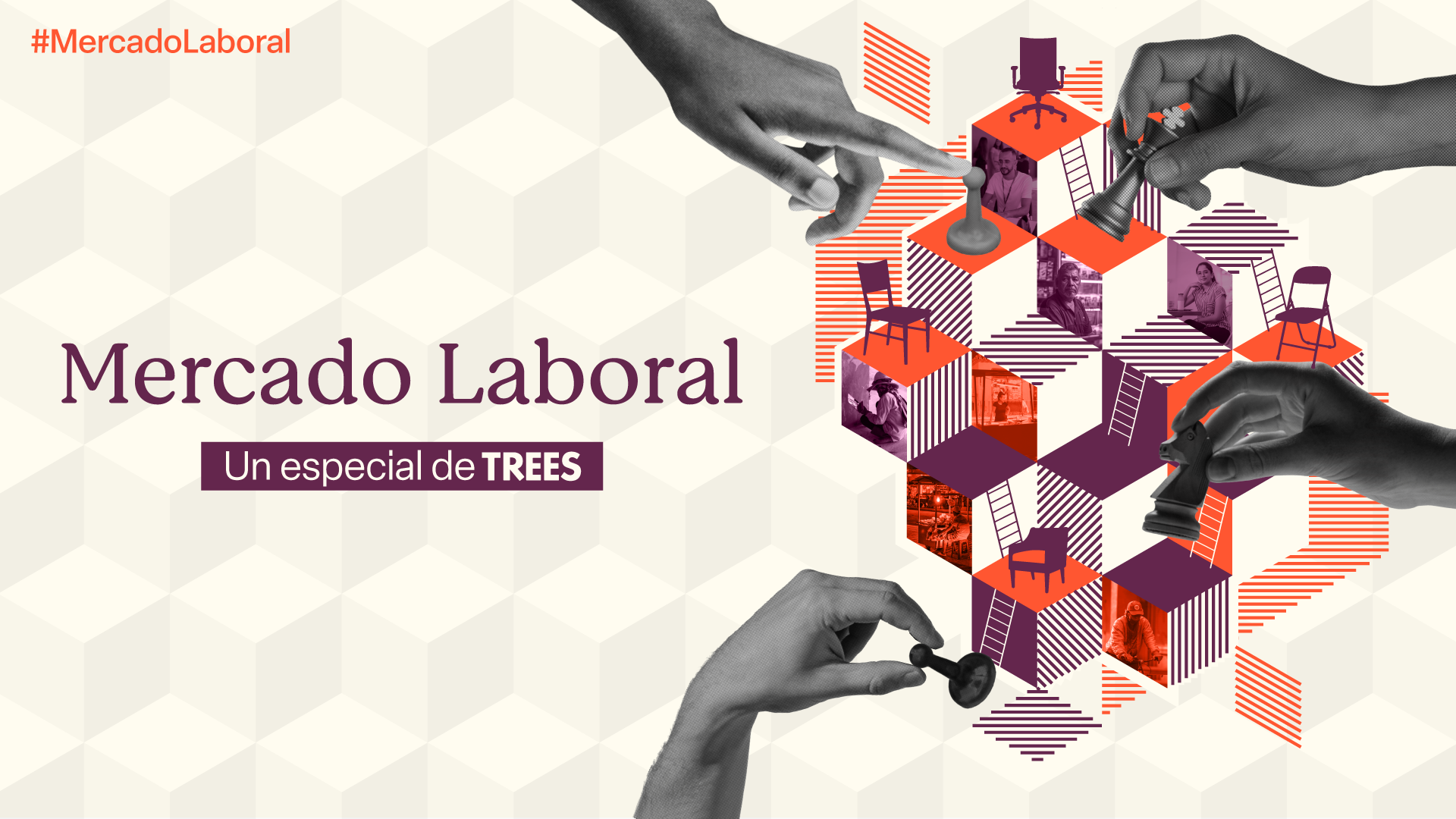
It is in this context that, from TREES, we propose this special to open a critical and diverse conversation about the challenges facing employment in Colombia. Rather than offering closed answers, we seek to problematize the present of the work and its possible futures.
In Colombia, as Óscar Becerra, researcher at the Center for Economic Development Studies (CEDE) of the School of Economics at the Universidad de los Andes, points out, these structural problems translate into an unequal labor market, where more than half of the workers lack access to social protection.
The structural flaws of the Colombian labor market, warns Becerra, increase poverty, limit productivity and hinder social mobility.
Talking about the labor market implies recognizing that work not only organizes the economy, but also defines how people participate in society, construct their identity and project their future.
As noted by the International Labour Organization (ILO, 2019)., In Colombia, “decent work is essential for the well-being of people and the sustainable development of societies”. However, in Colombia - as in much of Latin America - work reflects the structural inequalities that permeate social life.
Informality and inequalities of gender, race, social origin and territory. are not isolated phenomena: they are part of an system that has historically distributed opportunities, income and labor rights unequally., The company's social security system, which reproduces gaps that limit access to decent employment and social protection, is a major obstacle to the development of the country's economy.
Professor Óscar Becerra explains that the Colombian labor market is a space where “jobs are created, but destroyed. In addition, the dynamics of Colombian companies is the dynamics of small companies. More than 90% of the companies in Colombia have less than 10 workers.”.
This feature explains much of the fragility of the system: the size of companies limits productivity, innovation and the capacity to offer formal jobs with social protection. In this context, the labor reform seeks to balance workers' rights with business sustainability, a challenge that, according to Becerra, is still open.
“This reform has been very much aimed at guaranteeing rights, that is, that workers who are already employed with a formal job have certain additional guarantees, but it has not been very focused on trying to expand the number of jobs available to people who are looking for better jobs,” he says.
To learn more, we invite you to watch this video in which professor and researcher Óscar Becerra and the Vice Minister of Employment and Pensions, Iván Daniel Jaramillo Jassir, analyze the structure of the Colombian labor market, public policies to make it more dignified and inclusive, and the challenges posed by the work of the future.
If you want to go deeper, we propose a tour through different approaches and voices that allow you to better understand the challenges of the labor market in Colombia.
Tour through the contents of the special
Social capital at work
In Latin America - one of the most unequal regions in the world, according to ECLAC (2023) - access to a formal and stable job is still conditioned by factors that have little to do with merit or effort. Place of birth, surname, parents' education or family networks are as important as qualifications or technical skills. This set of relationships and ties that broaden the possibilities of accessing a better job is known as social capital, and is key to understanding the dynamics of the labor market.
This social capital not only influences who gets access to certain opportunities, but also how doors open or close throughout working life. Sociologist María José Álvarez, a professor at the Universidad de los Andes, has studied this phenomenon in depth. Her research Balancing the playing field, presented in this TREES Research Film, offers a critical look at the inequalities faced by first-generation college students as they enter the world of work.
The study shows that, even with comparable academic achievements, their initial income and opportunities are lower than those of their more privileged peers.
Ultimately, the link between better jobs and social capital shows that inequality in the labor market does not begin with a lack of training, but at the very moment when the doors of employment open or close. Recognizing this is the first step in building hiring policies and practices that do not reproduce the privileges of origin, but rather broaden access to the talent and diversity that the country needs to grow.
Gender inequalities in the labor market
In Colombia, the overburden of care that falls on women accounts for a good part of the employment and income gap between men and women, but it remains an invisible dimension of economic policy. The time they spend caring for children, the elderly or dependents limits their labor participation, economic independence and well-being.
Infographics “Caregiving shouldn't cost job opportunities.” explore how the Manzanas del Cuidado in Bogota are contributing to the improving the quality of life of women and to open up new opportunities.
Since 2020, the Manzanas del Cuidado - one of the most innovative initiatives in Latin America - have served more than 860,000 women and their families free of charge, offering educational, health and wellness services while someone else cares for their loved ones.
Its commitment is transformative: redistributing care to free up women's time and open up opportunities.
This approach demonstrates that when the state assumes part of the burden of care, women's employment grows and equity becomes more tangible. In an interview with El País, Ana Güezmes, ECLAC representative, said that investing in care systems could help to improve the quality of care. increasing female labor participation in Latin America by up to 12%.
This type of policy demonstrates that advancing equality requires recognize and redistribute care work, and to guarantee working conditions that do not deepen existing inequalities. However, not all reforms point in this direction.
In the Coffee with TREES, Professor Natalia Ramírez, from the Law School of the Universidad de los Andes and member of the Digna Project, reflected on how thelabor reform of 2025 (Law 2466), although it introduces provisions aimed at improving the conditions of domestic and rural work, could be generating adverse effects on women's employment.
“Let's think about the case of an employer who perceives that by hiring women, he will have to offer them flexible arrangements to allow for the compatibility of caregiving responsibilities. They will most likely decline the opportunity to hire these women,” says Ramirez.
The tensions aroused by the reform show that gender inequalities are not only solved by public policy: they are also deeply rooted in the social, economic, political and cultural context of the country. the spaces where work is lived on a daily basis. And it is at this level - that of practices, organizational cultures and business decisions - where much of the equity is at stake.
In an interview for this special, we spoke with Mía Perdomo, co-founder of Aequales, a Latin American company dedicated to promoting gender equity and diversity in organizations. Her reflection shows how imaginaries about who fits in the work environment continue to reproduce structures of exclusion that limit the full participation of women, diverse people and historically marginalized groups.
It also shows how initiatives such as the PAR Ranking, led by Aequales, have allowed us to hundreds of organizations measure their gender gaps, review their processes and adjust their internal cultures toward greater co-responsibility.
Young people facing an uncertain labor market
In Colombia, for thousands of young people, work no longer means stability. Although the country shows a recovery in employment figures, most of the new positions are still informal, with low incomes and no social protection.
Faced with this panorama, many young people opt for entrepreneurship instead of accepting precarious jobs. However, for many of them, entrepreneurship is not a full choice, but a forced way out in the face of the lack of formal opportunities.
And what happens when young people enter the traditional labor market? Beatriz Blanco, Mutante contributor and conversation leader “Let's talk about youth precarization.”, In an interview for this special, he pointed out that what many young people find is not an opportunity for growth, but an experience of disillusionment: unpaid internships, jobs outside their professional field or temporary jobs with abusive conditions.
For this reason, it is essential to address the tensions that mark the beginning of working life: the difficulty of accessing a formal job, the pressure to generate immediate income and the feeling that professional experience is built at the expense of stability. In this Vox Pop (part 1), we asked young people about the employment decisions they have had to make.
The voices of young people show that the labor market is a scenario full of uncertainties. The gap between education, expectations and labor reality reveals a system that fails to guarantee fair opportunities and stability.
What conversations do we need to transform the Colombian labor market?
This journey is not intended to close the discussion, but rather to open new questions about how we work today and what kind of work we want to build for the future. The voices, data and views gathered in this special show that the labor market in Colombia is a terrain full of nuances, tensions and opportunities to be explored. This is precisely why we need more conversations: to better understand what is happening to us, to question what we take for granted and to imagine, among many, fairer and more inclusive paths.
At TREES we want to continue promoting these dialogues and we invite you to join us in the next conversations, because transforming work is -and must be- a collective exercise.
Sources consulted in the special:
Economic Commission for Latin America and the Caribbean (ECLAC). (2022). Labor inclusion as a key to inclusive social development. ECLAC.
Economic Commission for Latin America and the Caribbean (ECLAC). (2023). Social Panorama of Latin America 2023. ECLAC.
Center for Distributive, Labor and Social Studies (CEDLAS) (2022). Income inequality and social mobility in Latin America. National University of La Plata.
Esquivel, V. (2024). Work, gender and inequality: challenges for equity in Latin America. Buenos Aires: CLACSO.
Fedesarrollo (2025). Labor market report: informal employment and social protection in Colombia. Fedesarrollo.
Folbre, N. (2012). The Political Economy of Care: Building a More Caring Economy. Cambridge Journal of Economics, 36(2), 373-390.
Global Entrepreneurship Monitor (GEM). (2021). Global Entrepreneurship Report 2021: Colombia. GEM.
Global University Entrepreneurial Spirit Students’ Survey (GUESSS). (2024). Colombia 2024 Report. GUESSS Project.
International Labour Organization (ILO). (2019). Decent work and the Sustainable Development Goals: A support guide for social dialogue. ILO.
International Labour Organization (ILO). (2023). Persistent inequalities in the labor markets of Latin America and the Caribbean. ILO.
Perdomo, M. (2025). Interview for the special “Rethinking work: inclusion, inequality and transformation”. TREES.
Ramirez, N. (2025). Coffee with Prof. Natalia Ramírez: reflections on labor reform 2025 (Law 2466). School of Law, Universidad de los Andes.
Sen, A. (1999). Development as Freedom. Oxford University Press.
Standing, G. (2011). The Precariat: The New Dangerous Class. Bloomsbury Academic.
Alvarez, M. J. (2025). Balancing the playing field: inequality and first generation college. Universidad de los Andes / TREES.
Blanco, B. (2025). Let's talk about youth precariousness. Mutant
Perdomo, M. (2024). PAR ranking and gender equity in Latin American companies. Aequals.
Office of the Mayor of Bogotá (2024). Apples of Care: 2020-2024 Outcomes Report. District Secretariat for Women.
González, C. (2025). From the classroom: teachers teaching work and inequality. Universidad de los Andes.
Bencomo, Tania Z. (2008). “Labor seen from a social and legal perspective.”. Revista Latinoamericana de Derecho Social, No. 7 (July-December), pp. 27-57. National Autonomous University of Mexico.
Becerra, Óscar; Bojanini, Gabriela; Eslava, Marcela; Fernández, Manuel. (2023). “Labor reform and the needs of the Colombian labor market.”Macroeconomic Note No. 51, Faculty of Economics, Universidad de los Andes.
The workshop brought together economists, sociologists, political scientists, anthropologists and historians to discuss their projects.
We have already held the first two workshops to strengthen the TREES research community. These two meetings brought together researchers who received financial support through the Grant Fund I and II calls for proposals. The researchers came together to share ideas, receive feedback and enrich their work.
Watch the video summary of the first Grant Fund workshop:
On May 7, 2025, Grant Fund II researchers were at the Universidad de los Andes with a common goal: to hear how their colleagues are studying inequalities from multiple disciplinary perspectives and contexts. The meeting served to share advances, discuss questions and strengthen an academic community committed to understanding inequalities in the global south.
“The workshop is fantastic because it is an interdisciplinary team in which one finds economists, historians, political scientists, lawyers talking about the same topic: inequality,” said James Torres, professor of History and Geography at the Universidad de los Andes.
During the event, researchers presented their ongoing projects and received feedback. Discussing ideas at an early stage allows them to improve approaches and strengthen analytical frameworks. “I really liked the comparative perspective. For example, one of the professors suggested we review classism versus caste in India, which we hadn't thought about,” commented Natalia Amaya, researcher at Fundación Prolongar.
“It is very constructive to receive comments from colleagues at this stage, when the project is not yet finished. Concerns that one suspected the work might have, weaknesses, but also suggestions for improvement,” Emiliano Tealde, economist and professor at the Catholic University of Uruguay.
Participants discussed the role of the state in land distribution, the reconstruction of the place of women in economic history, the dynamics of labor informality, the limits of social mobility, the multiple cultural dimensions of inequality and the challenges of applying models from the global north in Latin America.
The workshop was also an opportunity to strengthen cooperation between researchers from different disciplines. This approach seeks to broaden theoretical frameworks on inequality and generate useful evidence for public policies and citizen initiatives. “We want to look at inequality not only from its strictly economic dimension. This has produced a very rich mix of perspectives on its causes and consequences,” explains Leopoldo Fergusson, TREES Research Leader.
With some of these investigations already published, learn more about them in our research repository, With the Grant Fund III workshop underway, we confirm our commitment to contribute from rigorous knowledge to build more equitable societies.
Watch the video summary of the second Grant Fund workshop:
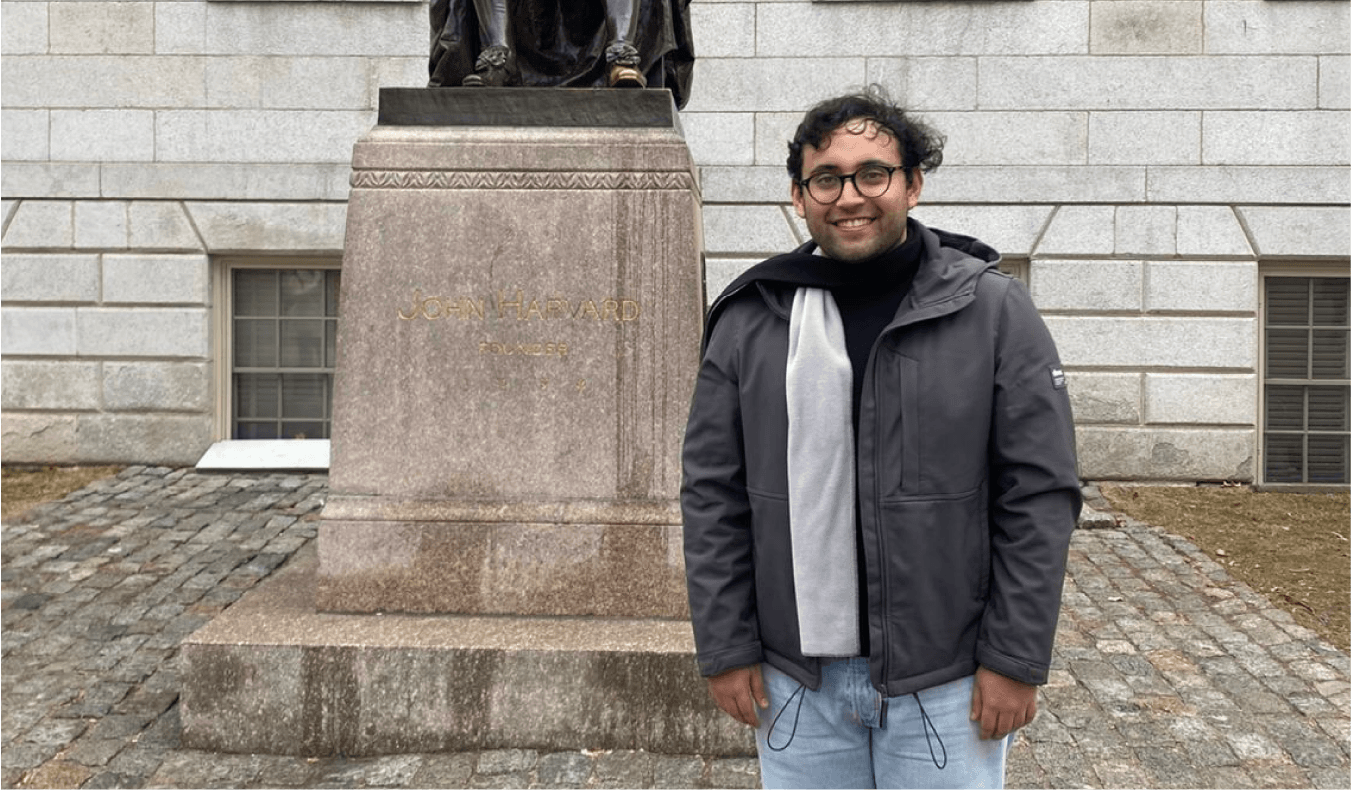
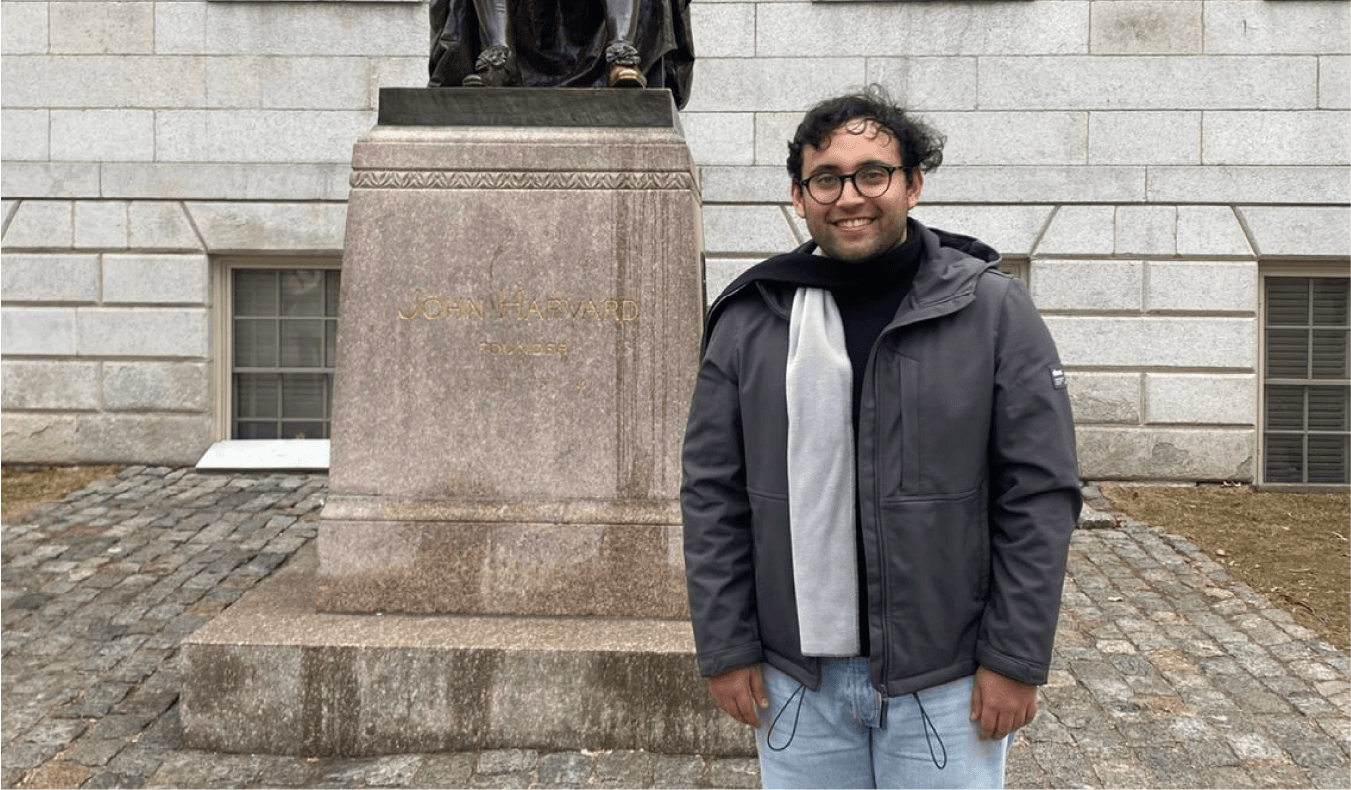
During March 2025, Juan Sebastián Lemos, a student of the Master's program in Economics PEG at Universidad de los Andes, made a one-month academic stay at the Harvard Graduate School of Education. With the support of TREES, this experience contributed to Juan Sebastián's formative process as a researcher, broadening his academic and personal perspectives. What was this experience like for him? Below, we share his testimony.
Thanks to the support of TREES, I had the opportunity to do an academic stay at the Harvard Graduate School of Education, an opportunity that marked both my professional and personal growth and that leaves me with experiences and learning that otherwise I would not have been able to live.
On a personal level, this experience transformed my perspective on what is possible. Studying at Harvard had never been an even imaginable option for me, but today it has become a real dream that I strive for at work every day. Living in another country, adapting to a new culture and communicating in a different language was a major challenge, as I had not had the opportunity to do so before. However, this was also an opportunity to broaden my knowledge, question my place in the world, the opportunities and privileges I have and strengthen my autonomy.
On a professional level, the stay allowed me to advance more quickly and in greater depth in my research project. I attended seminars and classes given by leading professors in education research, which enriched my ideas and opened new avenues to continue expanding my research agenda. I participated in discussions with doctoral students who shared their experiences with me. This allowed me to better understand how academic trajectories are constructed in international contexts. I learned new methodologies and research approaches that complement my previous training and gained confidence in my ability to contribute, from my experience, to conversations and decisions in the research project I am working on.
Finally, I was also able to establish links with students and researchers from different countries who share similar interests. At the same time, being surrounded by such skilled people in such a demanding environment was a challenge, but also a motivation to reflect on the quality of my education in the eyes of a future international projection. In short, this experience gave me more than knowledge: it gave me clarity about my vocation, new tools for my academic and professional development, and the impetus to keep striving.