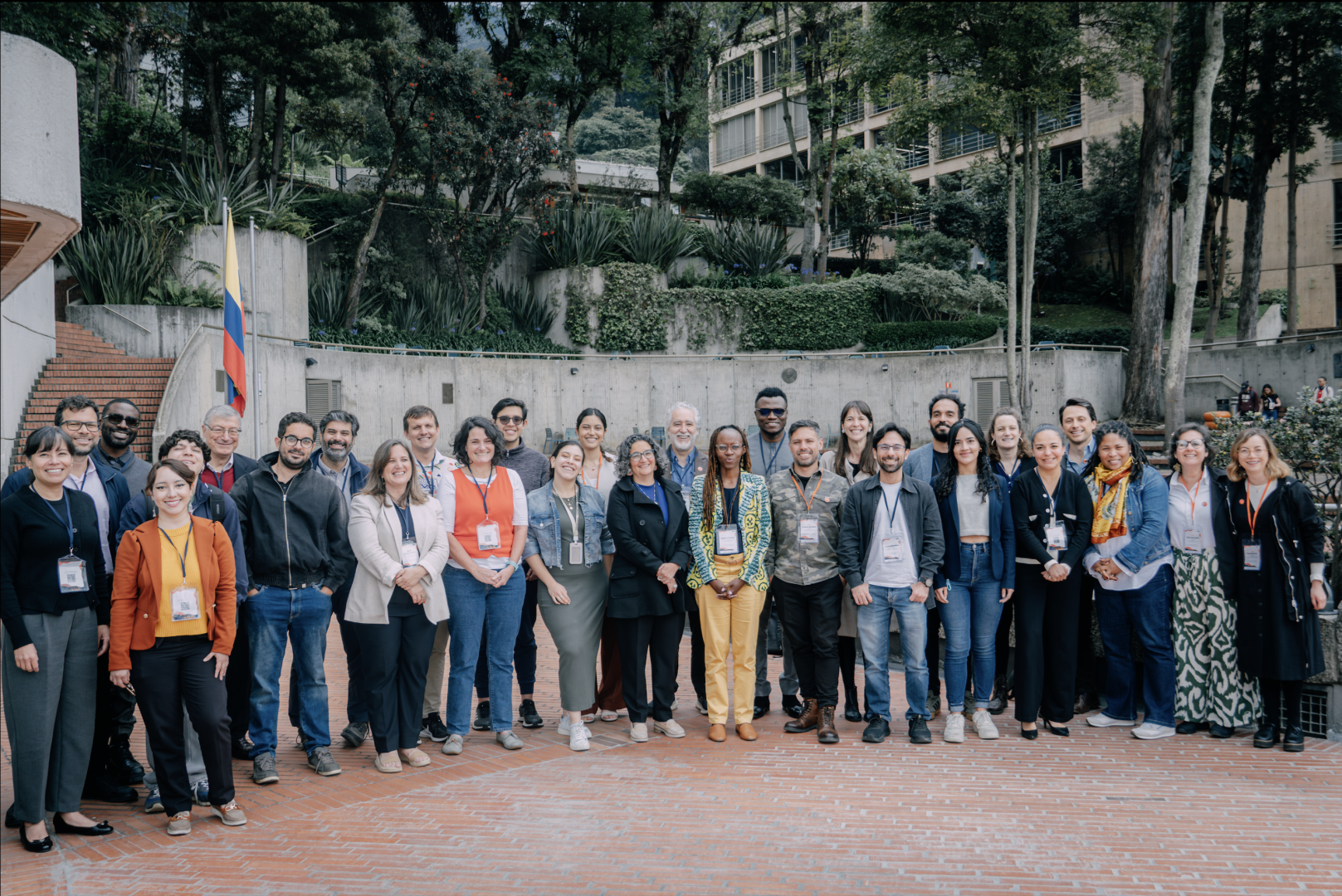
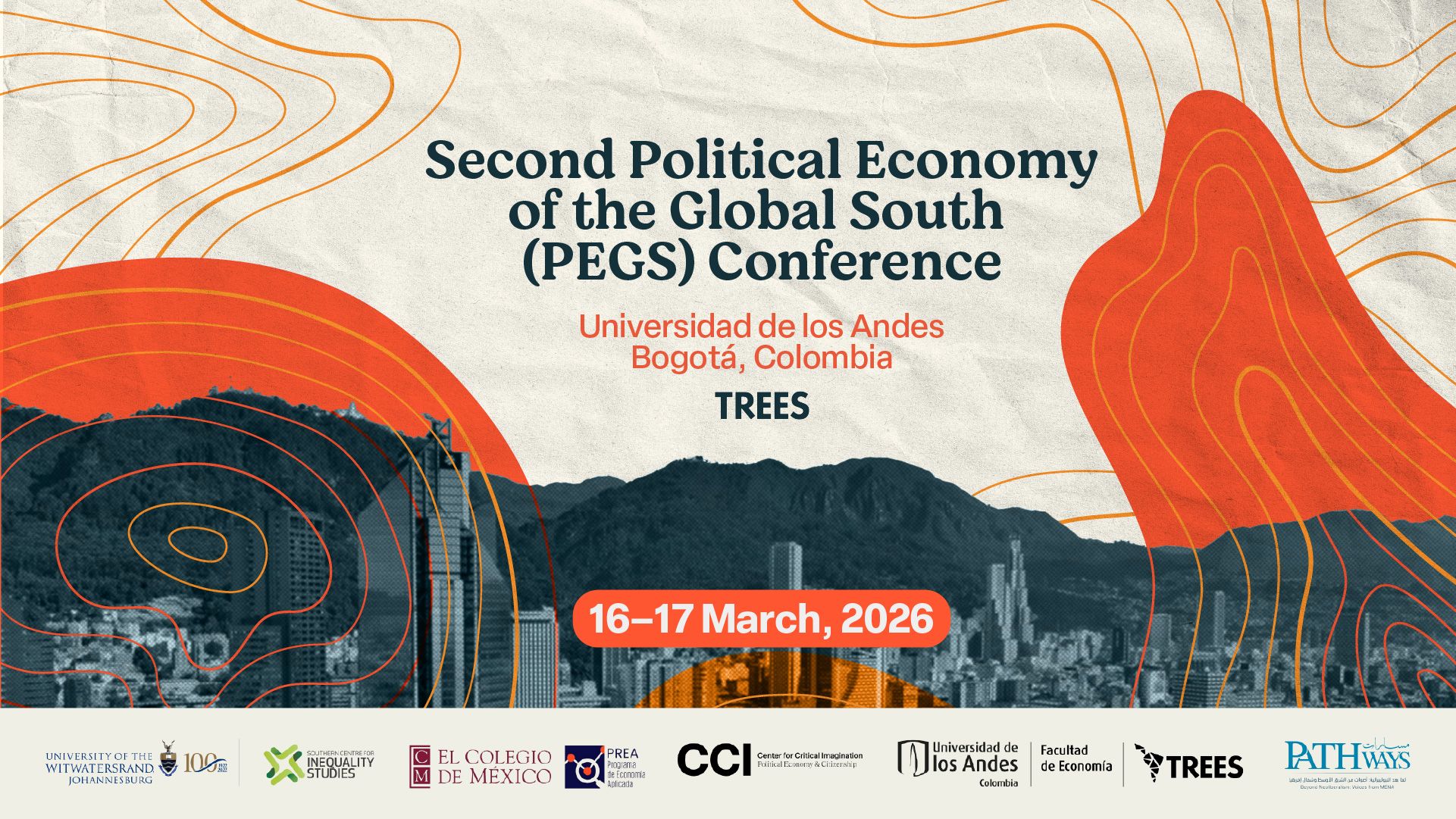
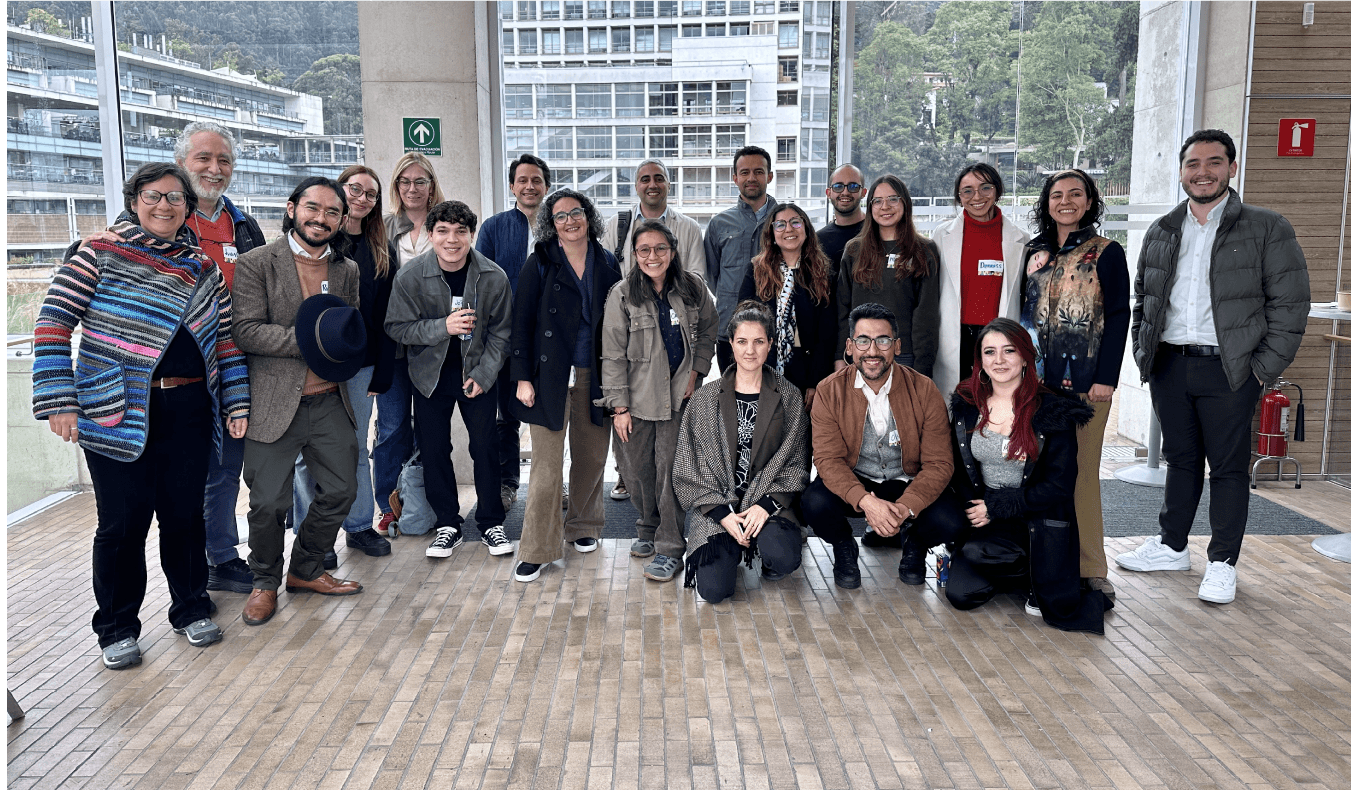
On March 16 and 17, we held the second edition of the Political Economy of the Global South Conference (PEGS) at the Universidad de los Andes.
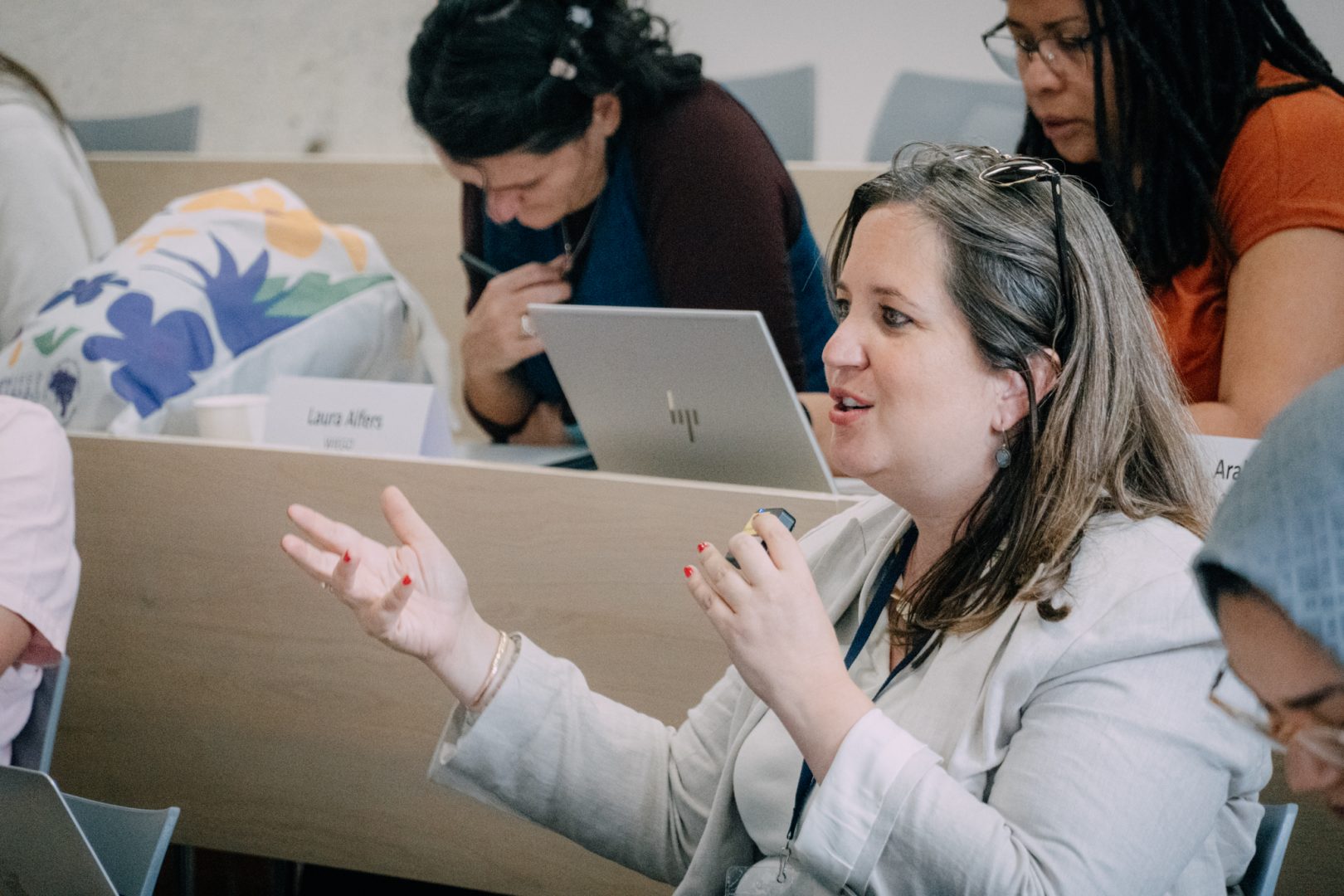
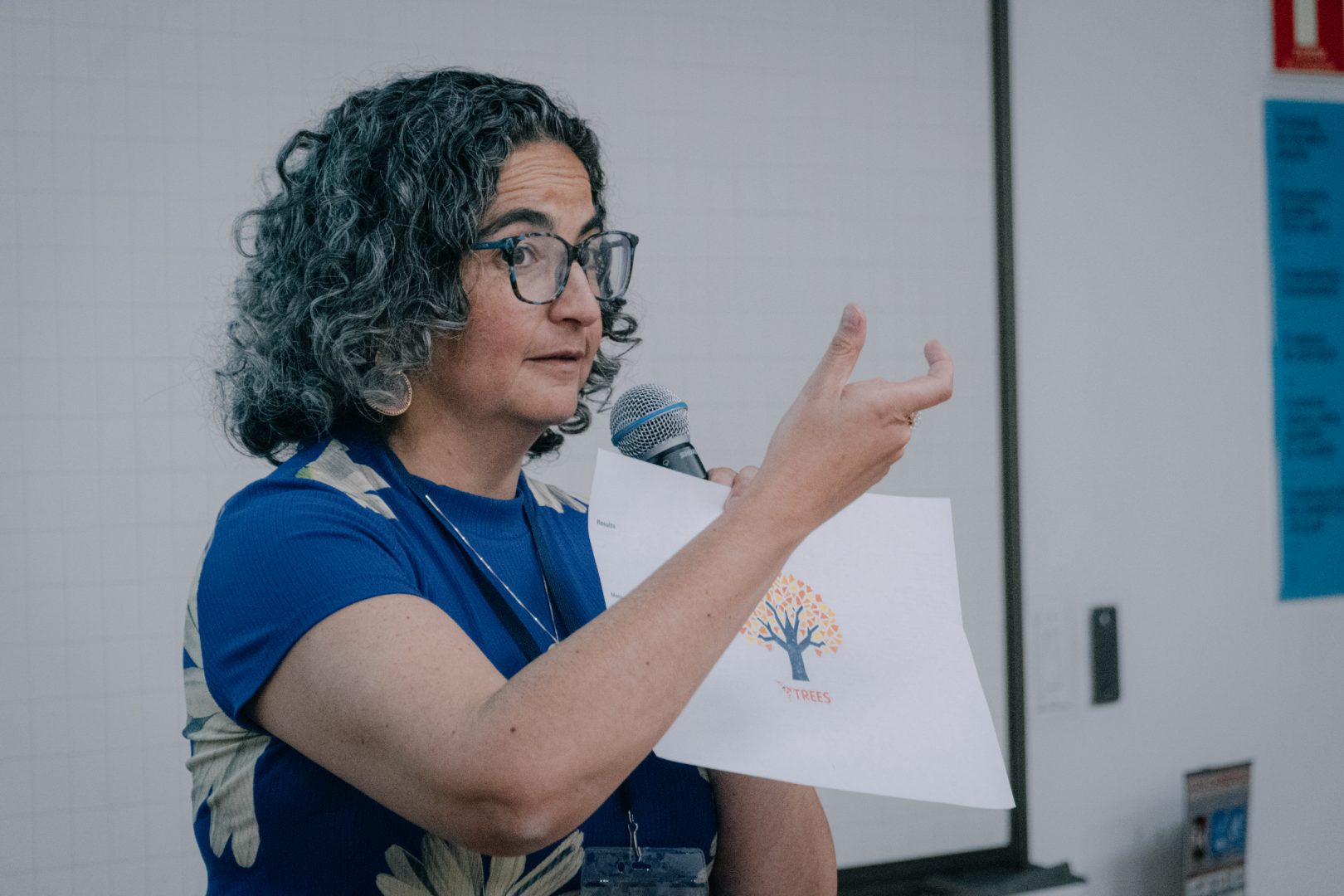
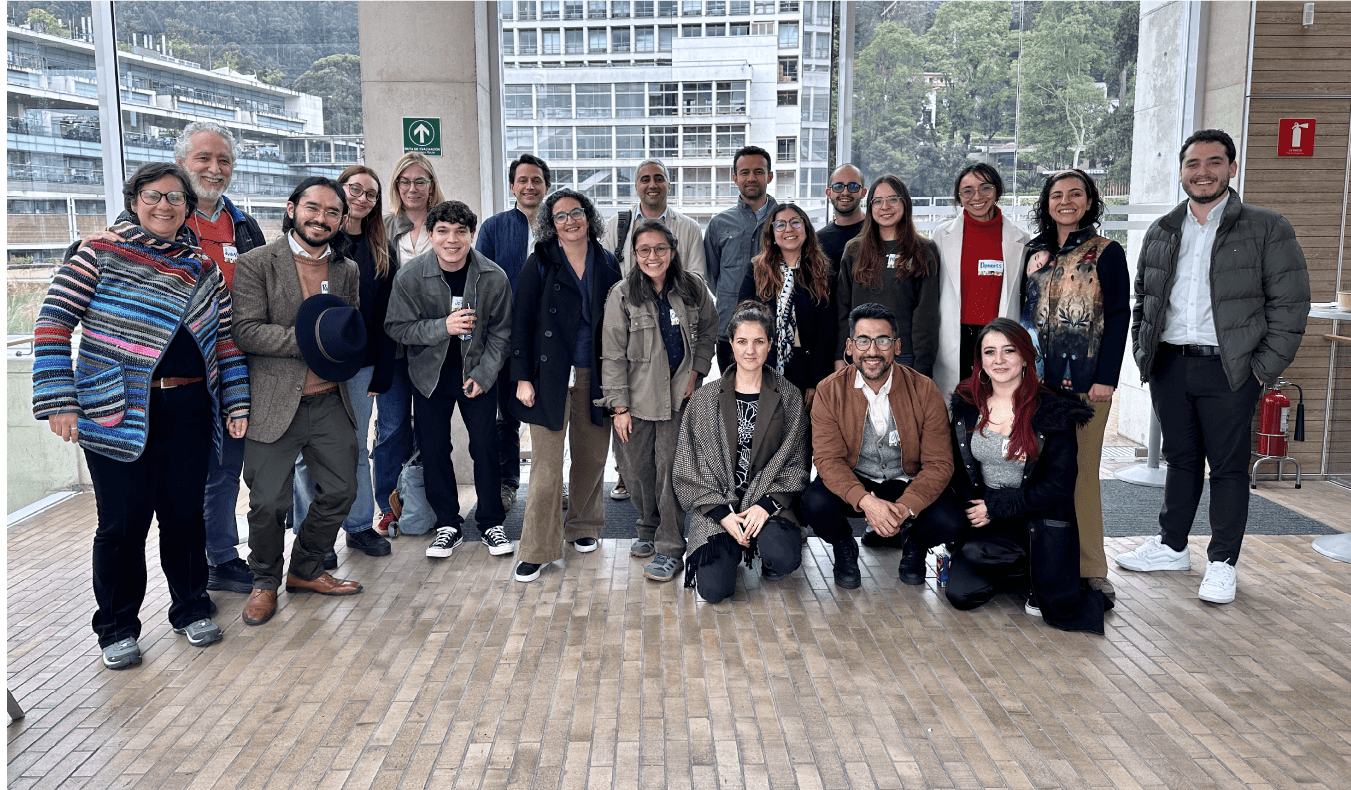
Pictured are conference participants and members of the Emerging Political Economies (EPE) Network.
The meeting brought together academics and international experts in sessions on extractivism, inequality, informality, global fragmentation and international trade, as well as in discussions on new forms of cooperation in the face of the challenges of ecological transition and sustainable development.
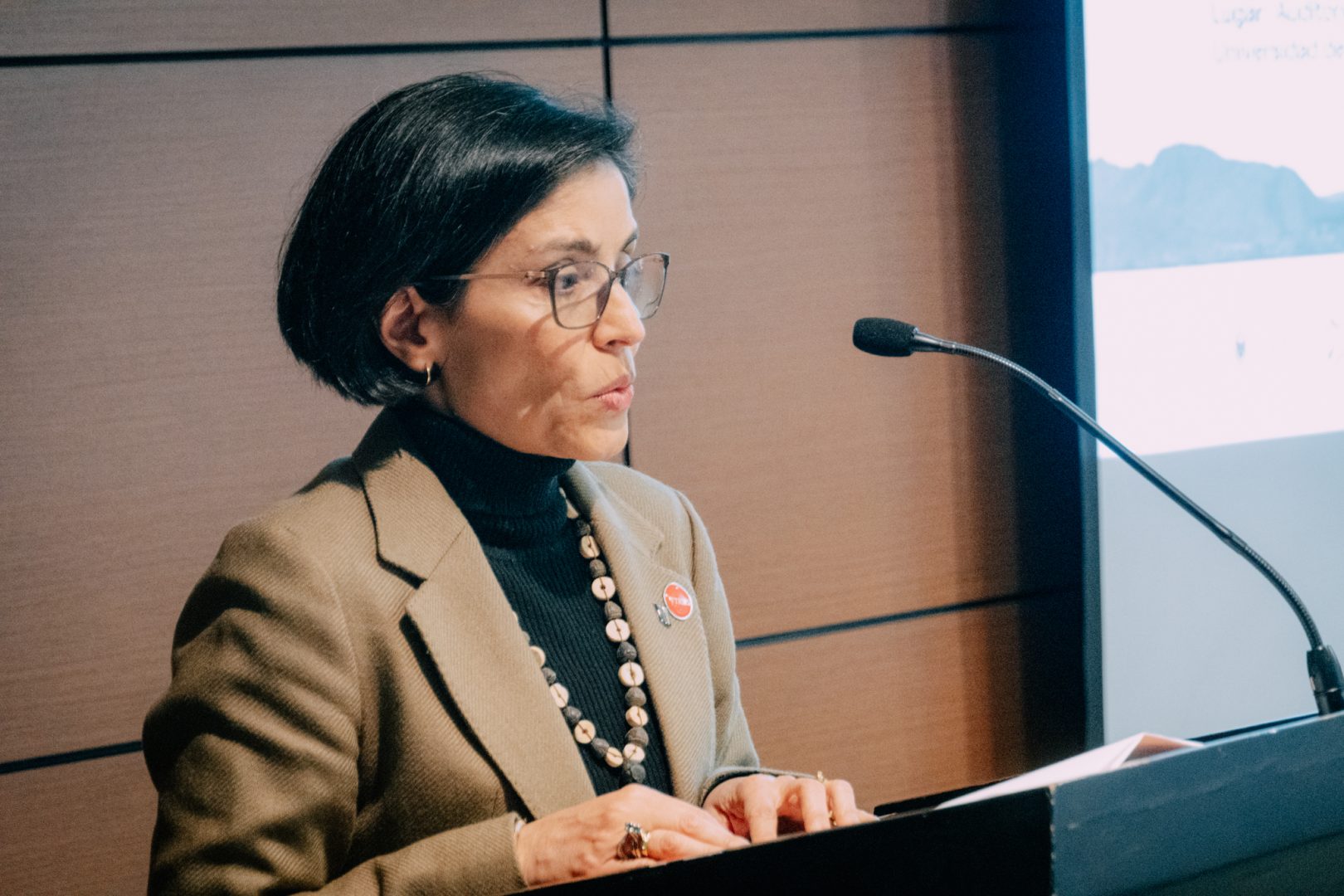
These sessions sought to answer a fundamental question that, as Jimena Hurtado, Vice Rector for Research and Creation at the Universidad de los Andes and co-founder of TREES, put it: “How can we understand an economy that does not work for everyone in countries where inequality is not a figure but a daily reality?.
Jimena Hurtado, Vice Rector for Research and Creation at Universidad de los Andes and co-founder of TREES, giving the opening remarks at the PEGS 2026 keynote.
From this perspective, the conference also sought to generate exchanges between countries of the global south that share histories of violence and the search for ways to transform them, with a potential that goes beyond academic dialogue. In Hurtado's words, this type of space allows the construction of collaborations that connect knowledge with concrete historical, institutional and social processes.
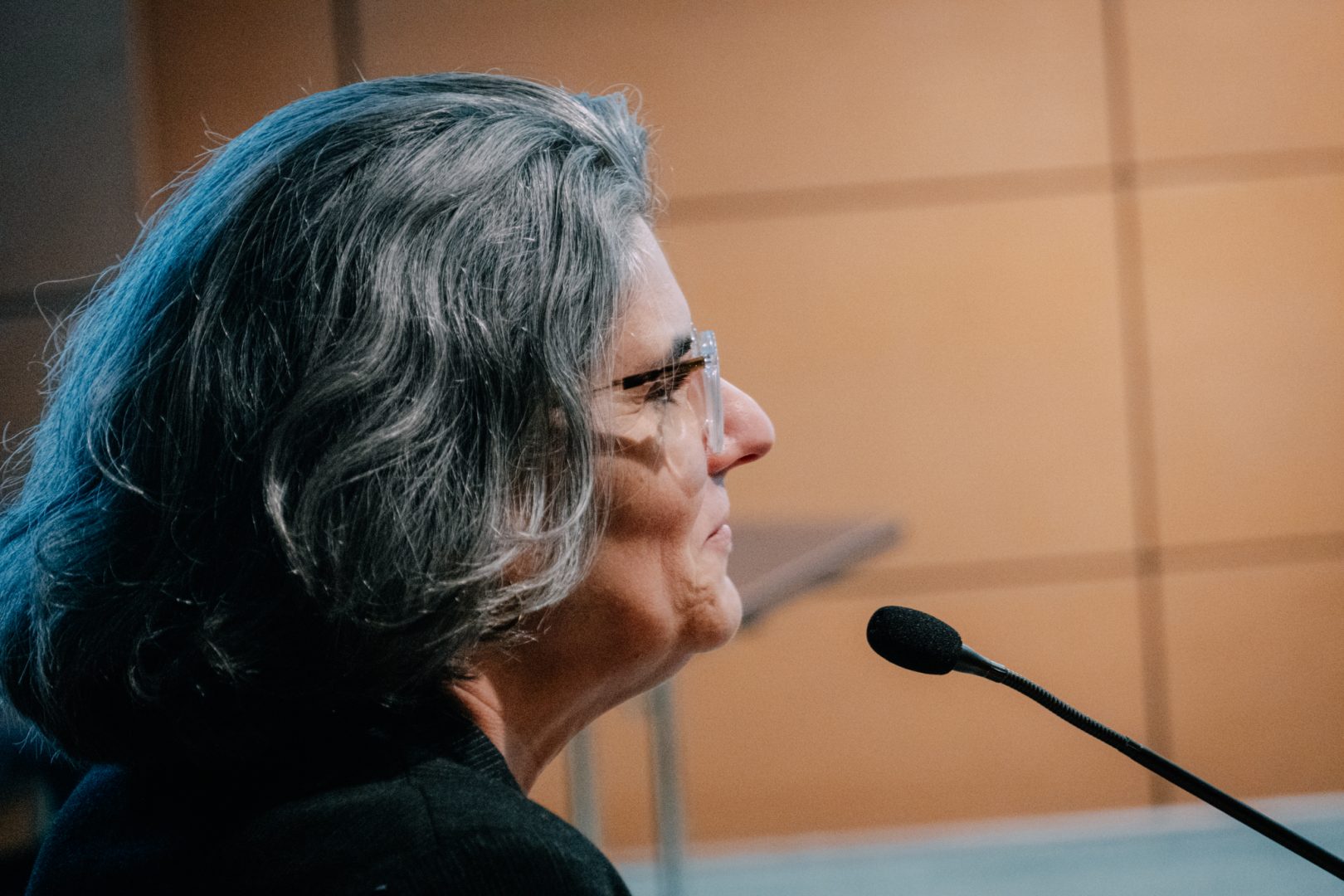
The keynote address was given by Julieta Lemaitre, magistrate of the Special Jurisdiction for Peace (JEP), whose career embodies precisely this crossover between academia and institutions. Her intervention addressed the relationship between citizenship and state, the ways in which communities build solutions in contexts of state absence and the role of justice in post-conflict scenarios, showing how institutions can both reproduce and transform inequalities.
Below, you can view an illustrated publication summarizing ‘Reconstructing’, Lemaitre's keynote lecture.
Julieta Lemaitre, magistrate of the Special Jurisdiction for Peace (JEP), during her keynote lecture ‘Rebuilding’ at PEGS 2026.
Thus, PEGS is conceived as a broader process of dialogue among countries of the global South, recognizing both their differences and the existence of shared structural challenges, including inequalities. It does so by articulating the work of centers or initiatives such as TREES in Colombia, the Center for Critical Imagination (Cebrap) in Brazil, the Applied Economics Program of El Colegio de México, Pathways Beyond Neoliberalism in the American University in Egypt, and the Southern Centre for Inequality Studies at Wits University in South Africa, which collaborate within the Emerging Political Economies (EPE) Network.
As part of this effort to articulate a network of countries that share similar realities, the conference also reflects a commitment to amplify knowledge of these contexts. In Hurtado's words, the aim is to build agendas that are not “recipients of frameworks developed in other contexts, but interlocutors with their own voice and questions”.
In the same vein, several of the panels highlighted the need to review the frameworks from which the problems of the global south are understood. “It is important to have a global south perspective for a global economy. Sometimes we think from a perspective that doesn't resonate with the way people in these countries live,” said Pierre Nguimkeu, professor of economics at Georgia State University and director of the Africa Growth Initiative at the Brookings Institution.
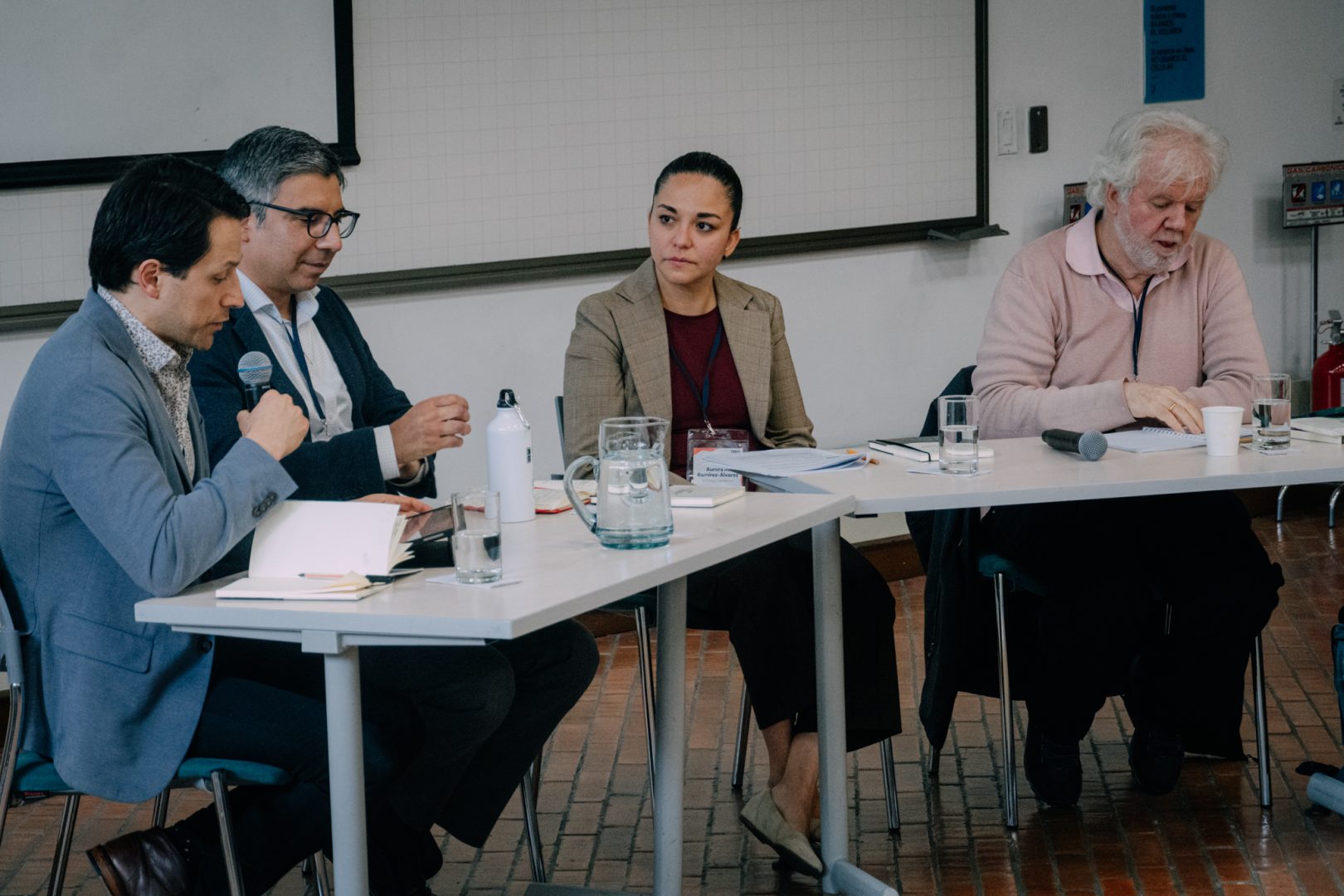
An example of this type of discussion was the session on inequality, led by Leopoldo Fergusson, professor at the School of Economics of the Universidad de los Andes and co-founder of TREES, with the participation of Rodrigo Uprimny, senior researcher at Dejusticia and professor at the Universidad Nacional de Colombia, and Raymundo Campos and Aurora Ramírez Álvarez, professors at El Colegio de México.
There, different dimensions of the structural gaps in the region and the challenges to address them from interdisciplinary approaches were discussed. As Uprimny pointed out, there is a disconnect between the field of human rights and the analysis of inequality: while normative frameworks have made progress in addressing discrimination between groups, “when one enters the field of social and economic inequality, the human rights movement is, in a certain sense, silent”. Along these lines, he stressed the need to connect rights more directly with the dynamics of inequality, not only as a theoretical problem, but also as a practical one.
Pictured, from left to right: Leopoldo Fergusson, professor at the Uniandes School of Economics and co-director of TREES; Raymundo Campos and Aurora Ramírez Álvarez, professors at El Colegio de México.; and Rodrigo Uprimny, senior researcher at Dejusticia and professor at the National University of Colombia.
In this regard, Fergusson stressed that inequality is not limited to income differences, but produces deeper forms of social separation: “people with different income levels live so far apart that they end up being culturally distinct, as if they were different groups”. In this sense, he stressed that one of the central challenges is to think about these gaps not only in terms of distribution, but also in terms of rights and what it means to have an equal position in society, particularly in contexts such as those of Latin America.
Labor informality was another of the central themes of the meeting. Laura Alfers, WIEGO's international coordinator, raised the discussion aligned with the idea that the frameworks do not coincide with the realities of the countries of the South: “60% of workers are in informal employment, something that could increase with technological change. Our labor institutions are still oriented around an idea imported from countries in the global north, developed in the 1940s and 1950s for labor markets that do not exist in the south.”
In addition to the academic sessions, the conference included a research workshop, a teaching session and strategic spaces for articulation between centers in the global south that are part of the Emerging Political Economies Network, These meetings helped to consolidate a south-south network to promote those voices and questions of their own. These meetings contributed to consolidate a south-south network to promote these voices and questions.
Ruth Castel Branco, Wits University, during the research workshop. Paula Jaramillo, co-director of TREES, during the Teaching session.
Throughout the event, the persistence of overlapping and mutually reinforcing structural gaps was highlighted, many of which go unnoticed because we tend to always look in the same places. In this context, the conference highlighted the need to broaden the analytical approach. In Hurtado's words: “to broaden our gaze, to look where we usually do not look and to accept that absence in the record [evidence or data] does not mean absence in reality”.
In Latin America - and especially in Colombia - the labor market is characterized by high levels of informality, profound inequalities by gender, social origin, race and territory, and by the exclusion of young people, migrants and rural populations.
According to the National Administrative Department of Statistics (DANE), between March and May 2025 the The labor informality rate was 55.9%, This means that more than half of the workers do not pay health or pension contributions. In the scattered rural and populated centers, the proportion reaches 83,4%, This is evidence of a territorial gap.
In addition to this, there are gender inequalities: female women earn an average of 5.8% less than men. per hour worked and face higher levels of unemployment and informality.
It is in this context that, from TREES, we propose this special to open a critical and diverse conversation about the challenges facing employment in Colombia. Rather than offering closed answers, we seek to problematize the present of the work and its possible futures.
In Colombia, as Óscar Becerra, researcher at the Center for Economic Development Studies (CEDE) of the School of Economics at the Universidad de los Andes, points out, these structural problems translate into an unequal labor market, where more than half of the workers lack access to social protection.
The structural flaws of the Colombian labor market, warns Becerra, increase poverty, limit productivity and hinder social mobility.
Talking about the labor market implies recognizing that work not only organizes the economy, but also defines how people participate in society, construct their identity and project their future.
As noted by the International Labour Organization (ILO, 2019)., In Colombia, “decent work is essential for the well-being of people and the sustainable development of societies”. However, in Colombia - as in much of Latin America - work reflects the structural inequalities that permeate social life.
Informality and inequalities of gender, race, social origin and territory. are not isolated phenomena: they are part of an system that has historically distributed opportunities, income and labor rights unequally., The company's social security system, which reproduces gaps that limit access to decent employment and social protection, is a major obstacle to the development of the country's economy.
Professor Óscar Becerra explains that the Colombian labor market is a space where “jobs are created, but destroyed. In addition, the dynamics of Colombian companies is the dynamics of small companies. More than 90% of the companies in Colombia have less than 10 workers.”.
This feature explains much of the fragility of the system: the size of companies limits productivity, innovation and the capacity to offer formal jobs with social protection. In this context, the labor reform seeks to balance workers' rights with business sustainability, a challenge that, according to Becerra, is still open.
“This reform has been very much aimed at guaranteeing rights, that is, that workers who are already employed with a formal job have certain additional guarantees, but it has not been very focused on trying to expand the number of jobs available to people who are looking for better jobs,” he says.
To learn more, we invite you to watch this video in which professor and researcher Óscar Becerra and the Vice Minister of Employment and Pensions, Iván Daniel Jaramillo Jassir, analyze the structure of the Colombian labor market, public policies to make it more dignified and inclusive, and the challenges posed by the work of the future.
If you want to go deeper, we propose a tour through different approaches and voices that allow you to better understand the challenges of the labor market in Colombia.
Tour through the contents of the special
Social capital at work
In Latin America - one of the most unequal regions in the world, according to ECLAC (2023) - access to a formal and stable job is still conditioned by factors that have little to do with merit or effort. Place of birth, surname, parents' education or family networks are as important as qualifications or technical skills. This set of relationships and ties that broaden the possibilities of accessing a better job is known as social capital, and is key to understanding the dynamics of the labor market.
This social capital not only influences who gets access to certain opportunities, but also how doors open or close throughout working life. Sociologist María José Álvarez, a professor at the Universidad de los Andes, has studied this phenomenon in depth. Her research Balancing the playing field, presented in this TREES Research Film, offers a critical look at the inequalities faced by first-generation college students as they enter the world of work.
The study shows that, even with comparable academic achievements, their initial income and opportunities are lower than those of their more privileged peers.
Ultimately, the link between better jobs and social capital shows that inequality in the labor market does not begin with a lack of training, but at the very moment when the doors of employment open or close. Recognizing this is the first step in building hiring policies and practices that do not reproduce the privileges of origin, but rather broaden access to the talent and diversity that the country needs to grow.
Gender inequalities in the labor market
In Colombia, the overburden of care that falls on women accounts for a good part of the employment and income gap between men and women, but it remains an invisible dimension of economic policy. The time they spend caring for children, the elderly or dependents limits their labor participation, economic independence and well-being.
Infographics “Caregiving shouldn't cost job opportunities.” explore how the Manzanas del Cuidado in Bogota are contributing to the improving the quality of life of women and to open up new opportunities.
Since 2020, the Manzanas del Cuidado - one of the most innovative initiatives in Latin America - have served more than 860,000 women and their families free of charge, offering educational, health and wellness services while someone else cares for their loved ones.
Its commitment is transformative: redistributing care to free up women's time and open up opportunities.
This approach demonstrates that when the state assumes part of the burden of care, women's employment grows and equity becomes more tangible. In an interview with El País, Ana Güezmes, ECLAC representative, said that investing in care systems could help to improve the quality of care. increasing female labor participation in Latin America by up to 12%.
This type of policy demonstrates that advancing equality requires recognize and redistribute care work, and to guarantee working conditions that do not deepen existing inequalities. However, not all reforms point in this direction.
In the Coffee with TREES, Professor Natalia Ramírez, from the Law School of the Universidad de los Andes and member of the Digna Project, reflected on how thelabor reform of 2025 (Law 2466), although it introduces provisions aimed at improving the conditions of domestic and rural work, could be generating adverse effects on women's employment.
“Let's think about the case of an employer who perceives that by hiring women, he will have to offer them flexible arrangements to allow for the compatibility of caregiving responsibilities. They will most likely decline the opportunity to hire these women,” says Ramirez.
The tensions aroused by the reform show that gender inequalities are not only solved by public policy: they are also deeply rooted in the social, economic, political and cultural context of the country. the spaces where work is lived on a daily basis. And it is at this level - that of practices, organizational cultures and business decisions - where much of the equity is at stake.
In an interview for this special, we spoke with Mía Perdomo, co-founder of Aequales, a Latin American company dedicated to promoting gender equity and diversity in organizations. Her reflection shows how imaginaries about who fits in the work environment continue to reproduce structures of exclusion that limit the full participation of women, diverse people and historically marginalized groups.
It also shows how initiatives such as the PAR Ranking, led by Aequales, have allowed us to hundreds of organizations measure their gender gaps, review their processes and adjust their internal cultures toward greater co-responsibility.
Young people facing an uncertain labor market
In Colombia, for thousands of young people, work no longer means stability. Although the country shows a recovery in employment figures, most of the new positions are still informal, with low incomes and no social protection.
Faced with this panorama, many young people opt for entrepreneurship instead of accepting precarious jobs. However, for many of them, entrepreneurship is not a full choice, but a forced way out in the face of the lack of formal opportunities.
And what happens when young people enter the traditional labor market? Beatriz Blanco, Mutante contributor and conversation leader “Let's talk about youth precarization.”, In an interview for this special, he pointed out that what many young people find is not an opportunity for growth, but an experience of disillusionment: unpaid internships, jobs outside their professional field or temporary jobs with abusive conditions.
For this reason, it is essential to address the tensions that mark the beginning of working life: the difficulty of accessing a formal job, the pressure to generate immediate income and the feeling that professional experience is built at the expense of stability. In this Vox Pop (part 1), we asked young people about the employment decisions they have had to make.
The voices of young people show that the labor market is a scenario full of uncertainties. The gap between education, expectations and labor reality reveals a system that fails to guarantee fair opportunities and stability.
What conversations do we need to transform the Colombian labor market?
This journey is not intended to close the discussion, but rather to open new questions about how we work today and what kind of work we want to build for the future. The voices, data and views gathered in this special show that the labor market in Colombia is a terrain full of nuances, tensions and opportunities to be explored. This is precisely why we need more conversations: to better understand what is happening to us, to question what we take for granted and to imagine, among many, fairer and more inclusive paths.
At TREES we want to continue promoting these dialogues and we invite you to join us in the next conversations, because transforming work is -and must be- a collective exercise.
Sources consulted in the special:
Economic Commission for Latin America and the Caribbean (ECLAC). (2022). Labor inclusion as a key to inclusive social development. ECLAC.
Economic Commission for Latin America and the Caribbean (ECLAC). (2023). Social Panorama of Latin America 2023. ECLAC.
Center for Distributive, Labor and Social Studies (CEDLAS) (2022). Income inequality and social mobility in Latin America. National University of La Plata.
Esquivel, V. (2024). Work, gender and inequality: challenges for equity in Latin America. Buenos Aires: CLACSO.
Fedesarrollo (2025). Labor market report: informal employment and social protection in Colombia. Fedesarrollo.
Folbre, N. (2012). The Political Economy of Care: Building a More Caring Economy. Cambridge Journal of Economics, 36(2), 373-390.
Global Entrepreneurship Monitor (GEM). (2021). Global Entrepreneurship Report 2021: Colombia. GEM.
Global University Entrepreneurial Spirit Students’ Survey (GUESSS). (2024). Colombia 2024 Report. GUESSS Project.
International Labour Organization (ILO). (2019). Decent work and the Sustainable Development Goals: A support guide for social dialogue. ILO.
International Labour Organization (ILO). (2023). Persistent inequalities in the labor markets of Latin America and the Caribbean. ILO.
Perdomo, M. (2025). Interview for the special “Rethinking work: inclusion, inequality and transformation”. TREES.
Ramirez, N. (2025). Coffee with Prof. Natalia Ramírez: reflections on labor reform 2025 (Law 2466). School of Law, Universidad de los Andes.
Sen, A. (1999). Development as Freedom. Oxford University Press.
Standing, G. (2011). The Precariat: The New Dangerous Class. Bloomsbury Academic.
Alvarez, M. J. (2025). Balancing the playing field: inequality and first generation college. Universidad de los Andes / TREES.
Blanco, B. (2025). Let's talk about youth precariousness. Mutant
Perdomo, M. (2024). PAR ranking and gender equity in Latin American companies. Aequals.
Office of the Mayor of Bogotá (2024). Apples of Care: 2020-2024 Outcomes Report. District Secretariat for Women.
González, C. (2025). From the classroom: teachers teaching work and inequality. Universidad de los Andes.
Bencomo, Tania Z. (2008). “Labor seen from a social and legal perspective.”. Revista Latinoamericana de Derecho Social, No. 7 (July-December), pp. 27-57. National Autonomous University of Mexico.
Becerra, Óscar; Bojanini, Gabriela; Eslava, Marcela; Fernández, Manuel. (2023). “Labor reform and the needs of the Colombian labor market.”Macroeconomic Note No. 51, Faculty of Economics, Universidad de los Andes.
Who are we referring to, what models are we questioning, and what other ways of relating to the environment can we imagine as a society?
These questions are fundamental to open conversations about sustainability, inequality and transformation. In Latin America, environmental conflicts are intertwined with histories of exclusion, dispossession and violence. For this reason, to speak of environmental justice requires going beyond conservation or efficiency. It entails, above all, examining the power structures that determine who decides, who benefits and who bears the costs of environmental degradation?.
Rather than offering closed answers, this special opens up a space for exploration about the multiple ways in which economics, politics and daily life are intertwined in the territories of communities that have historically cared for nature.
To guide this tour, we have organized the contents as follows seven thematic pillars, conceived as different lenses for approaching the challenges of the socio-environmental crisis in Colombia, which does not impact everyone equally. While some populations bear the brunt of ecological degradation, others benefit from the same extractive models that produce it.
Key questions then arise: what historical and political structures of exclusion sustain these environmental inequalities? How can we think of a justice system that not only denounces asymmetries, but that replace, recognize and prioritize the affected communities, at the same time placing the care of nature in the center?
Through voices from research, journalism, social movements and public and private institutions, we propose a plural and critical conversation that recognizes the tensions, contradictions and also the possibilities of transformation in this historical moment.
1. What do we mean when we talk about environmental justice?
Environmental justice was not born as an extension of the traditional green agenda. While the latter tends to focus on nature conservation, ecosystem protection or sustainable development from an institutional perspective, environmental justice emerges as a social and political response to the profoundly unequal distribution of environmental damage. While some stocks bear the greatest burden of ecological damage, others benefit from the extractive models that generate them.
This inequality is not random: historically, impoverished and racialized communities have been more exposed to air, water and soil pollution, toxic waste and high-risk extractive or industrial projects. In many parts of the world, living next to a landfill, a refinery or a busy highway is not a matter of chance, but the result of political, economic and territorial structures that benefit some sectors while passing on to others the costs of environmental deterioration, with direct effects on physical and mental health and, in general, on the possibility of leading a dignified life.
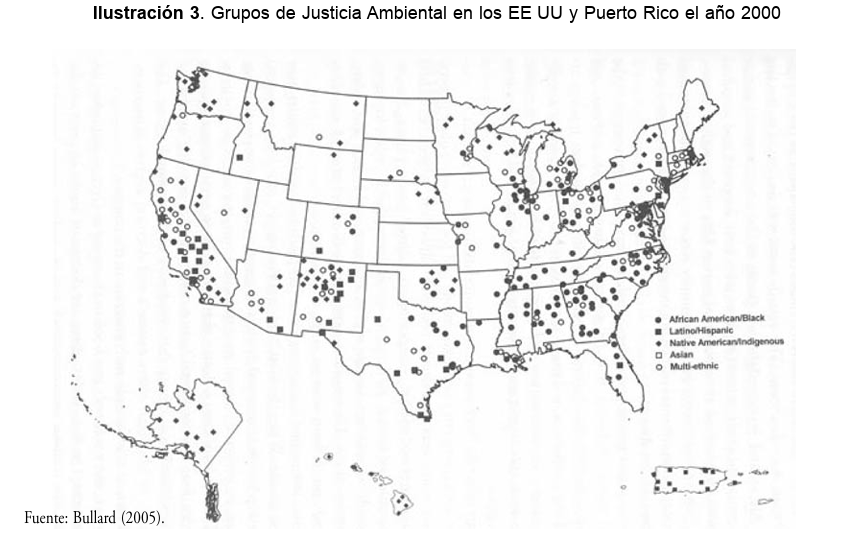
This awareness of the unequal distribution of environmental damage began to become visible in the United States during the 1970s and 1980s. It was then that local communities - particularly those of African descent - organized to denounce how they were systematically the most affected by industrial pollution, toxic dumps and other forms of environmental degradation.
The concept of environmental justice emerged from the struggles of Afro-descendant communities in the United States. It is a notion that goes beyond the protection and conservation of the environment: it also demands equity, historical reparation and the active participation of communities in decisions that affect their territories.
The concept of environmental justice emerged from the struggles of Afro-descendant communities in the United States. It is a notion that goes beyond environmental protection and conservation: it also demands equity, historical reparations and the active participation of communities in decisions that affect their territories.
An emblematic example of environmental injustice is the case of Louisiana Energy Services (LES), which in 1989 obtained permission to build uranium enrichment plants in areas of high poverty and with a majority African-American population. This case, as Iván López explains in an article published in Eunomia. Journal on Culture of Legality, was key to the conceptual development of environmental justice, highlighting how decisions about environmental risk often fall disproportionately on racialized and impoverished communities.
Since then, the concept has transcended its local origins and has been taken up by environmental movements, multilateral organizations and affected communities in various regions of the world, especially in the global south. By the beginning of the 21st century, environmental justice was no longer limited to denouncing environmental racism in the United States: it had established itself as a critical tool for analyzing how the relationships between power, territory, inequality and the environment generate unequal impacts on different social groups.
Today, this lens is applied in such diverse contexts as:
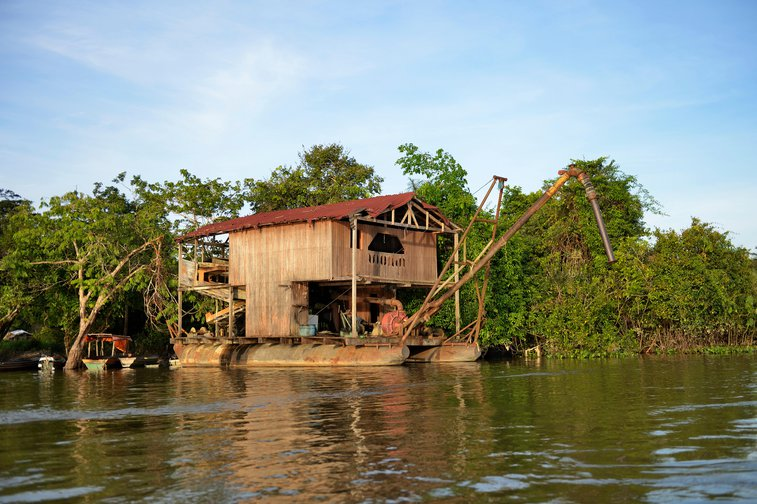
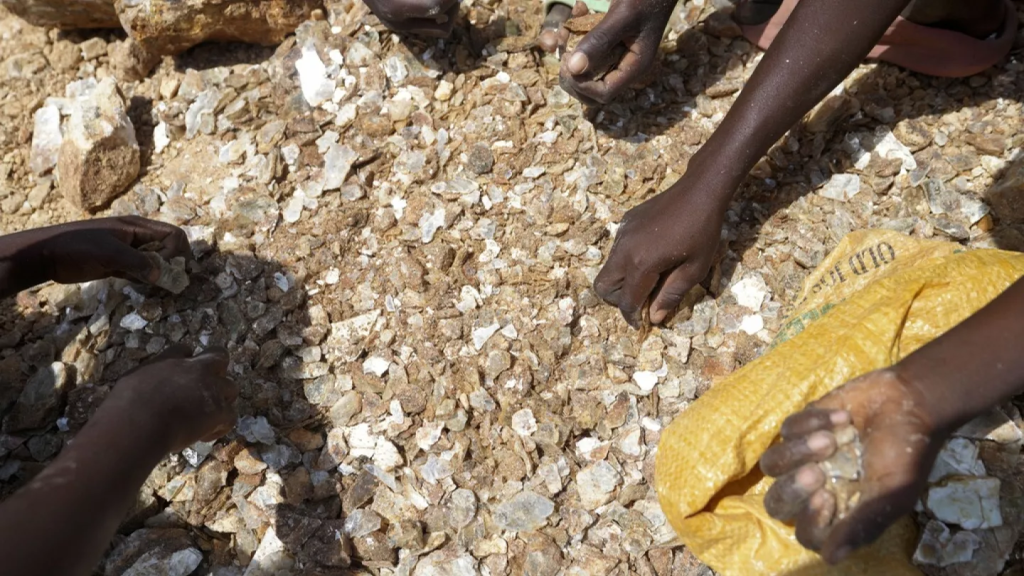
The Brazilian Amazon, where indigenous peoples such as the Mundurukú resist illegal mining and hydroelectric dams that threaten their territories.
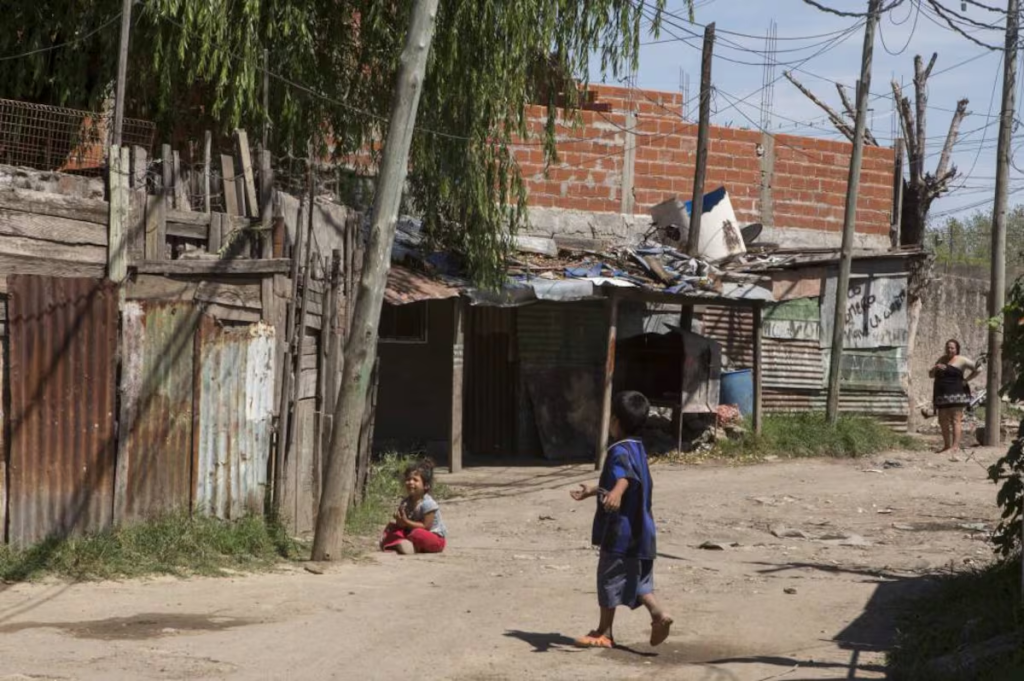
The urban peripheries in Latin America, as Inflammable Village in Buenos Aires oIztapalapa in Mexico City, where communities live exposed to air, water and soil contamination.
The Southeast Asia, where megaprojects such as the Xayaburi Dam in Laos or the oil palm plantations in Indonesia have involved land dispossession, deforestation and loss of biodiversity.
2. Ways in which environmental injustice is expressed
Environmental inequalities are not limited to the local level: they also manifest themselves on a global scale. The global South - understood as those regions historically marginalized from economic and political power, such as Latin America, Africa and much of Asia - bears the brunt of environmental degradation, despite having contributed much less to its causes.
According to the World Air Quality Report of IQAir, nine of the ten countries with the worst air quality are in the global south, emissions, while the major historical emitters - such as the United States, Germany and the United Kingdom - do not appear on this list. This disparity reveals a structural pattern of unequal distribution of environmental burdens and responsibilities.
The more developed countries have externalized part of the environmental costs of their growth to other geographies.
According to this report, 9 of the 10 countries with the worst air quality are in the global south:
🇹🇩 Chad.
🇧🇩 Bangladesh.
🇵🇰 Pakistan.
🇨🇩 Democratic Republic of Congo.
🇮🇳 India.
🇹🇯 Tajikistan (the only country on the list from the global north).
🇳🇵 Nepal.
🇺🇬 Uganda.
🇷🇼 Rwanda.
🇧🇮 Burundi.
On this inequality, the report “Places and Spaces. Environments and Children's Well-being”.” from UNICEF warns that many nations of the global north ensure optimal conditions for their future generations at the cost of intersecting environmental degradation in other regions of the world.
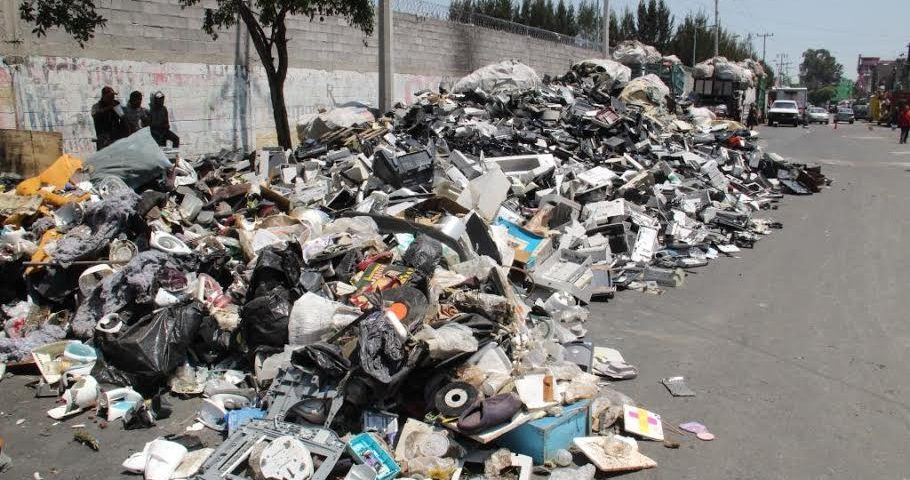
This can be seen, for example, in the way in which many countries in the global North have reduced their local environmental impacts by shifting polluting activities, waste or extractive demands to other regions. Although internally they manage to guarantee better living conditions - such as cleaner air, access to green areas or strict regulations - their ecological footprint is projected onto the global south, where the burdens associated with resource extraction, industrial production or waste disposal are concentrated.
Some examples illustrate these dynamics:
At Central America, In addition, indigenous and farming communities are facing increasingly extreme droughts and storms as a result of climate change.
At Colombia, The U'wa people, who inhabit páramo territories in the northeastern part of the country, have resisted oil expansion for decades. For this community, the land is sacred and oil is “the blood of the Earth”, so their defense articulates spiritual, environmental and political dimensions.
At Africa, The agrofuel boom has increased the price of food, with serious repercussions on local food security.
At Asia, The massive production of palm oil in Indonesia has led to deforestation and a significant loss of biodiversity.
In fact, some strategies promoted by international organizations, which in principle seek to mitigate climate change, have generated significant tensions. One example is REDD+ (Reducing Emissions from Deforestation and Forest Degradation), a mechanism that promotes the conservation of tropical forests as a way of sequestering carbon, allowing countries or companies to offset their emissions through forestry projects in the global south.
However, although international organizations such as the UN, the World Bank and donor governments from the Global North have promoted REDD+ as a climate solution, in multiple contexts this mechanism has been questioned by indigenous and Afro-descendant communities in countries such as Colombia, Brazil and Peru, who denounce that it has been implemented without prior consultation or full participation. These communities have pointed out that the mechanism may reinforce inequalities in the access, control and distribution of benefits derived from forests. In some cases, as reported by Amazonian indigenous organizations grouped in COICA, the projects have provoked displacement or restricted traditional ways of life in the name of externally imposed conservation.
In TREES we made this video with the participation of the following people Juan Camilo Cardenas, Professor and researcher at the School of Economics of the Universidad de los Andes, and Julia Miranda, Representative to the Chamber of Deputies and former Director of Colombia's National Parks. In the conversation, they analyze the carbon credit market and the current scope and limitations of REDD+ mechanisms in Colombia. You can watch it here:
The socio-environmental crisis in Colombia does not impact everyone equally. While some populations bear the brunt of ecological damage, others benefit from the extractive models that generate it. How can this paradox be explained? What structures of exclusion continue to reproduce environmental inequality in the country? And, above all, what would it mean to move towards an environmental justice that redresses, recognizes and prioritizes the affected communities, while putting the care of nature at the center?
In the face of these challenges, various strategies, debates, and bets emerge aimed at reconfiguring the relationship between society and nature from fairer and more sustainable perspectives. In this special issue we propose to map some of these key questions:
How is it possible to promote an ecological transition that does not reproduce or amplify existing social inequalities?
What models of development, governance and knowledge production are currently in dispute in this process?
What is the role of the different social, political and economic actors in shaping a more just future?
To address these tensions, we organize the content into seven thematic pillars, each of which offers a particular entry point for thinking about the links between environmental justice, knowledge and collective action.
3. Seven pillars for thinking about environmental justice
Pillar 1: Inequalities in everyday life: the case of hurricane Iota
In order to show how communities experience the impacts of climate change unevenly, in this special we analyze the case of Hurricane Iota in Providencia. In November 2020, this phenomenon -the first category 5 hurricane to hit the archipelago- left a deep mark on the lives of the Raizal community. This event was more than a natural tragedy: it meant a rupture in the infrastructure, economy and local culture. To better understand these consequences from a community perspective, we spoke with June Marie Mow, director of the Providence Foundation, who shared how the island has faced this process of reconstruction and resistance.
The consequences were devastating: homes destroyed, vegetation razed and a community facing material losses, emotional effects and painful transformations in their way of life. The subsequent reconstruction process also revealed profound inequalities: many decisions were made without local participation, houses were built in risky areas and key cultural practices, such as the collection of water in cisterns, were lost. For those who live on the island, the impact of the hurricane persists in the ways in which the territory is inhabited, decided and reconstructed today.
To tell this story, we designed an illustrated infographic. See it here:
The case of Providencia clearly illustrates climate injustice: historically excluded territories, with low levels of public investment and limited institutional capacities, disproportionately face the effects of climate change. It was not only the force of Hurricane Iota that devastated the island, but also the pre-existing structural conditions that hindered preparedness, response and recovery.
According to the analysis Multiple IDB Colombias, In the “Vulnerable Colombia”, to which regions such as San Andrés and Providencia belong, more than 58 % of the population has at least one unsatisfied basic need, and only 36.8 % have access to quality water. In contrast, departments such as Bogota, Antioquia or Valle del Cauca -integrants of the “Consolidated Colombia”- register an access to quality water of 93.7 %, together with much lower levels of multidimensional poverty.
This contrast makes it possible to analyze how structural conditions determine the way in which an emergency is experienced. A comparison with more robust territories in terms of infrastructure, basic services and institutional capacity could show notable differences in the speed of response, access to humanitarian aid and the possibility of reconstruction.
Even so, the community does not only start from its own deficiencies, but also from its own capacities. In Providencia, organizations such as the Providence Foundation have worked to strengthen local ownership of risk management and promote active participation in reconstruction processes.
In contexts where the State proposes external solutions - often without prior consultation and without connection to the cultural and environmental reality - resilience is not something that is imposed from outside: it is strengthened in the territory, based on collective memory and organization.
Pillar 2: Research on environmental justice from the global south
For TREES, it is essential to disseminate rigorous knowledge that broadens the view of inequalities from the global south. The challenge is not only to study the problems, but to do so based on innovative frameworks, questions and methodologies that respond to specific contexts, involve the affected communities and dialogue with global debates.
In this line, the economist María Alejandra Vélez, a tenured professor in the School of Economics at the Universidad de los Andes, has researched the tensions that arise when carbon markets and REDD+ projects are implemented in territories with low state capacity and little community participation. In her studies on REDD+, Vélez Lesmes and colleagues have pointed out that tensions emerge between those who promote these projects and the communities involved. These tensions, in many cases, result in profound questioning by local leaders about the governance of their territories. Although not documented in formal interviews, they reflect the concern that these communities often express when information and participation are relegated.
On the other hand, a recent study, led by Carolina Castro, The REDD+ projects implemented in the Colombian Pacific region had significant effects on the reduction of deforestation and illicit crops in Afro communities, compared to those that did not participate in these programs.
In this Research Film, produced as part of this special, Professor Vélez explains in detail the REDD+ mechanisms, as well as their current scope and limitations. Watch it here:
From another perspective, economist Juan Camilo Cárdenas, professor at the School of Economics of the Universidad de los Andes, has spent more than two decades designing experimental methodologies to understand and address complex socio-environmental conflicts. In cases such as the Santurbán páramo, In this project, their work has consisted of recreating -through games and simulations- the dilemmas faced by farmers, miners, government officials and urban dwellers regarding water use and the impacts of mining. The objective is not to offer a technical formula to resolve the conflict, but to create spaces of trust, empathy and collective action.
These investigations raise questions about who defines the problem, whose voices are heard and what are the consequences of intervening without understanding local realities.
At a time when technical solutions and global commitments to a more sustainable world abound, this pillar underscores the need to produce knowledge that engages in dialogue with the territories and with those who directly experience the consequences of the socio-environmental crisis, while being relevant to the global debate.
Pillar 3: From the classroom: teachers teaching environmental justice
How to teach environmental justice in classrooms dominated by numbers, graphs and supply and demand curves? The pedagogical resource, Climate change to the classroom: an experimental exploration of the competitive marketplace., designed by Juan Camilo Cárdenas, Karen Castro and Sergio Díaz proposes a way forward: transforming the classroom into a living car market, with sellers, buyers and contracts that, after several rounds, reveal not only who wins and who loses, but also who bears the hidden costs.
The simulation begins as a conventional competitive market: students negotiating prices and maximizing profits. The real lesson, however, comes when the environmental costEach transaction involves a collective discount that everyone must pay, whether they have participated or not.
The initial enthusiasm then turns into debate: Is it fair for everyone to bear the same cost? What does it mean to negotiate in a world traversed by externalities such as climate change?
This pedagogical shift turns theory into experience. The classroom ceases to be an abstract space and becomes a laboratory of environmental justice, where the tension between efficiency and equity, between individual interest and collective responsibility, is put to the test. Reflecting on their experiences, students discover that economic decisions are never neutral: they always redistribute benefits and costs, and almost always do so unequally.
By making visible the hidden costs and their unequal distribution, this type of experience opens conversations on the need to rethink the assumptions that guide the contemporary economy. In this way, they contribute to imagining models that are less indifferent to the damage they generate and more attentive to equity in the allocation of responsibilities, indicating that the transformation towards fairer and more sustainable economies is not only desirable, but necessary.
Pillar 4: The role of business in environmental justice
The business sector is one of the actors that most influences the configuration of territories. Its influence is not limited to its economic capacity, but is also manifested in the consequences of its decisions on land use, access to natural resources and the transformation of territorial dynamics - that is, the social, cultural, ecological and economic relationships that sustain life in a place. This impact is particularly evident in rural areas, extractive frontier areas or regions with high biodiversity, where business operations can profoundly redefine ways of living, producing and deciding.
Therefore, the role of the private sector in environmental justice is not only restricted to mitigating damages. It implies transforming its ways of operating and explicitly assuming responsibility for the social and ecological effects of its activities. As Laura Barajas, researcher at Fundación Ideas para la Paz, points out in the report The potential of companies to transform territories (2023): “companies should not only intervene to reduce impacts, but also actively participate in building collective well-being in the places where they operate”.
This implies that companies recognize that sustainability is not just a technical issue or a reputational strategy, but a fundamental ethical dimension of business development.
In Latin America, the discussion on corporate sustainability has evolved towards a vision that recognizes social, ethical and environmental responsibility as an inseparable part of organizational management. As Miguel Muriel, professor at SEK International University, Faculty of Social and Legal Sciences, points out, in a regional analysis on sustainability, In this regard, “sustainable business is absolutely compatible with social and economic development”, and demands a transformation of traditional production models towards processes “aligned with the well-being of society” and the “preservation of the environment”.
This approach - increasingly adopted by companies aware of the current environmental context - proposes that efficiency and environmental justice are not separate worlds, but practices that must be integrated from the very beginning of business planning.
One of the companies that has sought to move in this direction is Grupo Argos, a conglomerate or holding company focused on the infrastructure sector, with investments in key sectors such as energy (Celsia), cement (Cementos Argos), road and airport concessions (Odinsa) and urban development. Its activity has direct impacts on soil, water and biodiversity, but also on the communities where it operates. In recent years, it has begun to implement sustainability strategies focused on emissions reduction, circular economy and territorial dialogue.
For this special, we talked to Ana María Uribe, sustainability manager of Grupo Argos, to learn how a company with a high territorial impact in Colombia is rethinking its strategies from a perspective of environmental sustainability and social responsibility. Here you can learn more:
Advances in corporate sustainability coexist with business models that generate significant social and environmental impacts, particularly in historically marginalized territories. This panorama raises questions that invite a deeper analysis:
Under what conditions can a business strategy be said to be sustainable when it involves the intensification of the use of common goods such as water or land?
What criteria would be relevant to assess an organization's environmental commitment beyond regulatory compliance or the publication of voluntary reports?
What institutional, economic and organizational transformations would be necessary for sustainability to translate into practices consistent with environmental justice principles?
Pillar 5: Opening the conversation: the role of journalism
What role does it play in building environmental justice?
That was the question that guided our conversation with Andrés Bermúdez, who has demonstrated how environmental journalism is not only a tool for information or disclosure, but an exercise in democratic monitoring: a practice that observes, questions and follows up on power - institutional, corporate and political - to demand transparency, accountability and protection of collective rights, especially in contexts of high socio-environmental conflict.
Throughout his career, Bermúdez has documented deep tensions between megaprojects presented as sustainable and the rights of the communities facing their impacts.
An emblematic case is the carbon credit project in Cumbal, Nariño, investigated by Rutas del Conflicto. There it found that one of the indigenous communities involved -despite inhabiting the territory and carrying out conservation work- was unaware of the existence of the project, the bond transactions already carried out and even the economic benefits it should have received. The investigation revealed serious failures in social safeguards, conflicts of interest between executing and auditing companies, as well as weak state supervision.
As Bermúdez warns, if it is not rigorously regulated and the informed participation of the people is not guaranteed, the carbon market can reproduce dispossession schemes under the language of sustainability.
Read more about our conversation with Andrés Bermúdez here:
Reports such as Bermúdez's illustrate how journalism can exert legitimate pressure on economic and political actors who make decisions in the name of the environment.
From this perspective, environmental investigative journalism is not an external narrator, but an actor that influences the decisions that shape territories and development models. By making impacts, inconsistencies and conflicts visible, it contributes to making public policies and business strategies face a better informed, more critical citizenry with greater capacity to demand accountability.
This task is especially relevant in Latin America, where environmental conflicts are intertwined with historical inequalities. In this context, environmental journalism not only informs: it opens cracks in the dominant consensuses, questions the strategic use of green language and broadens the public debate on the meaning of a just transition.
Pillar 6: Learning with others: environmental justice in the classroom
Although environmental justice is often associated with technical debates or social mobilizations, it is also constructed in educational spaces. More and more university students are actively participating in this conversation, not only in the classroom, but also through field work, critical analysis and collaborative production of knowledge with communities in their territories.
An example of this is the exercise carried out by students from Doing Economics 2, a class of the School of Economics of the Universidad de los Andes, in partnership with Pollen Just Transitions, a Colombian think tank specializing in just, inclusive and viable energy transitions. There, the students evaluated and made visible the impact of one of the projects of Pollen Just Transitions in La Guajira.
Their participation transcended the academic dimension to become a contribution to the transformation of narratives on development and climate change. One of the most valuable results was the decision to focus the analysis on life stories, a strategy that made it possible to narrate the impacts of the project from the perspective of those who experience them on a daily basis.
Find out how this initiative was experienced here:
The participation of students in research and exchange processes with communities not only enriches their academic training, but also transforms the ways in which we understand knowledge and its relationship with the territories. In a context such as the Latin American one, working with communities allows us to question the traditional hierarchies of knowledge and to recognize that solutions do not come only from laboratories, databases or theoretical models.
Dialogue with local actors and field work thus become central tools for building critical thinking, rooted in reality and attentive to the tensions that cross the territories.
These types of training practices also invite us to rethink the role of the university. More than a space for the transmission of technical knowledge, it can be a bridge between diverse knowledge: that of the sciences, but also that of communities, territories and bodies.
Betting on a university that listens, collaborates and is ethically involved in the processes it investigates is a way to broaden the frameworks of environmental justice. It is not only a matter of including local cases in the courses, but of generating real channels of dialogue, in which questions are not formulated from above, but emerge from the encounter between different ways of understanding the world and inhabiting the environment.
Pillar 7: Thinking about public policies from an environmental justice perspective
Talking about environmental justice in the area of public policies implies transforming the way we conceive development, well-being and territorial management. It is not enough to incorporate environmental criteria into government plans: it is important to recognize that social, economic and ecological inequalities are deeply intertwined, and that it is not possible to move towards environmental justice without confronting these inequalities from the very design of policies.
With this in mind, TREES has teamed up with Let's reimagine, a collective that promotes spaces for dialogue, collaboration and action among academics, artists, activists, businesses, governments and citizens, to disseminate a public policy recommendation with a focus on environmental justice. This proposal arises from the Territorial Dialogues on Inequality, The environmental dimension did not appear as an isolated issue, but as an integral part of the social, economic and political conditions that shape the territories.
From these dialogues emerged the document “24 policy recommendations for building equity in Colombia”.”. There, a route is proposed to address these tensions from the food systems. The proposal starts from a provocative question: why is there hunger in fertile territories?
Based on this questioning, the recommendation argues that rethinking the way in which food is produced, distributed and accessed can be a way to address exclusion in the Colombian countryside and move towards a just ecological transition that recognizes local knowledge, territorial autonomy and the interdependence between social and environmental justice.
The recommendation proposes policies aimed at strengthening production, transformation and consumption networks with a territorial approach, in which peasants, indigenous peoples and Afro-descendant communities play a leading role. It is not only a matter of producing food, but also of guaranteeing autonomy, decent rural employment and territorial health.
Some of these projects are already underway in different regions of the country. This video presents initiatives such as the Agroecological Plan of Nariño or the CIPAVE project in Valle del Cauca, which exemplify how it is possible to build alternatives from the territories, articulating sustainability, social justice and local knowledge.
This type of bets show that doing environmental justice from public policies does not mean limiting oneself to managing risks or responding to climate emergencies when it is already too late. It implies conceiving the State not only as an apparatus that intervenes from the center, but as an actor that listens, accompanies and co-constructs with those who inhabit the territories. It implies establishing more horizontal relationships between institutions and communities, and recognizing that sustainability is not imposed from above: it is woven with time, trust and reciprocity.
In contexts marked by historical inequalities, environmental justice is also democracy. A democracy that is not reduced to the act of voting, but is exercised on a daily basis, when communities can decide on the use of their lands, on access to water, on how and with whom to produce their food.
A democracy that broadens the voices that count and redistributes power so that decisions affecting the territories are not made far away or without consultation, but with the effective participation of those who sustain life in them.
4. Conclusion: weaving social and environmental issues together
This special opened a conversation on the multiple paths from which environmental justice can be thought of. This journey proposes to understand environmental justice not as an isolated issue, but as an invitation to transform our ways of living, deciding and coexisting with the territories, from the recognition of historical inequalities and active listening to those who face them every day.
What emerges here is not a closed formula, but a mosaic of practices and learning that question the traditional hierarchies of knowledge and power around environmental issues.
To strengthen the conversation, we had a forum in which Julia Miranda, representative to the Chamber; Argenis García Valencia, sociologist and Afro-Colombian leader; Juana Hoffman, Technical Director of Amazon Conservation Team Colombia; and Juan Camilo Cárdenas, co-founder of TREES, discussed the tensions and mechanisms that promote or limit environmental justice. You can watch the live broadcast here:
Throughout this special, we illustrate the connections between environmental justice, social justice, epistemic justice and climate justice. These connections are based on the recognition that conservation is not enough if benefits and costs are not redistributed; that protecting ecosystems also implies protecting those who inhabit and care for them; and that there can be no talk of sustainability while maintaining the exclusion of voices and experiences that have been historically silenced. Rather than offering unique answers, this conversation invites us to think collectively about how to build transitions that not only reduce environmental impacts, but also expand rights, recognize diverse knowledge and transform the way we relate to the territories.
This is how he put itJuana Hoffman, lawyer and technical director of Amazon Consevation Team Colombia, in our conversation:
In this sense, environmental justice requires structural transformations in policies and in the distribution of power, but also an everyday ethic that understands the future not as a fixed destiny, but as a space under constant construction and debate.
In this sense, environmental justice requires structural transformations in policies and in the distribution of power, but also an everyday ethic that understands the future not as a fixed destiny, but as a space under constant construction and debate.
Environmental justice is not a point of arrival or a closed agenda: it is an open conversation, nourished by the exchange between actors, disciplines and territories. Many of the experiences gathered here show that this process is already underway. What remains is to continue listening, learning and acting with collective responsibility.
Cárdenas, J. C., Castro, K., & Díaz, S. (n.d.). Climate change to the classroom: an experimental exploration of the competitive marketplace.. Universidad de los Andes, School of Economics, CEDE.
Giles Álvarez, L., Hernández Florez, M., Larrahondo, C., Muñoz-Mora, J. C., Angulo, G. D., & Quintero, L. M. (2024, June). Territorial inequalities in Colombia: realities and prospects. IDB Monograph, 1217. Inter-American Development Bank. https://creativecommons.org/licenses/by/3.0/igo/
López, I. (2014). Environmental Justice. Eunomics. Journal on Culture of Legality, (6), 261-268. Carlos III University of Madrid.
Londoño Mesa, A., Martínez, T., & Vélez, M. A. (2024, July). REDD+ Initiatives in Colombia: Assessment and Recommendations. Serie Documentos CEDE, No. 26. Universidad de los Andes, School of Economics.
Muriel Páez, M. H. (2018). The importance of sustainable management in 21st century companies. Revista mktDescubre - ESPOCH FADE, (12), 94-103. SEK International University.
The classism is the white elephant in our interactions with other people. Often, this form of discrimination is hidden in social structures and manifests itself in everyday life. Recognizing and revealing classism in our environment enables us to questioning our own attitudes and prejudices, as well as understanding how it affects people in a multiplicity of ways.
Want to research classism to understand its scope and work towards a more just society?
Using different methodologies of participatory research, students will inquire about attitudes, perceptions, relationships or practices related to classism in order to design participatory and collaborative strategies that will strengthen social cohesion and solidarity.
Participants will learn to:
Apply appropriately methodologies of participatory action research.
Usestrategies to cooperate and resolve tensions arising from collective action.
Identify and critically analyze attitudes, perceptions, relationships or practices that promote or mitigate classism.
This challenge is aimed at:
Students of any discipline, from master's degree or undergraduate, of fifth semester or higher. Each team must be made up of five students of legal age and have a university professor to lead the team throughout the challenge.
The challenge
It is divided into five phases that guide the teams in designing and implementing a participatory research in their immediate environment to identify and critically analyze attitudes, perceptions, relationships or practices that promote or mitigate classism. Each team will work from collective way and with the people who are part of the environment where the research is carried out during the five phases:
In the first In this phase, the teams will choose the environment where they intend to conduct the participatory action research.
In the second, The participants will discuss with the people in their chosen environment whether and to what extent they wish to participate.
In the third, The teams will define, together with the people in the chosen environment, the research question and the methods they will use to solve it.
In the fourth, will conduct the investigation.
In the fifth phase, the teamssynthesize and consolidate the entire learning process into two deliverables.
During the fifth phase, there will be a face-to-face meeting of all the teams at the Universidad de los Andes on the following dates November 1 and 2. In this space, the teams will share their experiences during the development of the challenge and will receive feedback from expert teachers and other participants. On November 2nd each team will make a final presentation to a panel of jurors and to the other teams.
There will be virtual master classes on methodologies and principles of participatory action research and on concepts and issues related to classism by university professors.
Financing
In this edition of the TREES Challenge: Revealing Classisms, we will select about 20 teams. Each selected team will receive $200,000 COP to support expenses directly related to the conduct of participatory research.
We will grant scholarships for teams made up of students who study and reside in cities outside of Cundinamarca and who have developed their research in a timely manner, meeting the established dates and requirements for each phase. This scholarship covers the housing, the food, the local transportation and the tickets round trip to attend the presential meeting the November 1 and 2 at the Universidad de los Andes.
Application process
The application process will be open between May 13 and June 20, 2025. The friday, july 4 we will announce the teams selected to take part in the challenge.
Teams that meet the requirements and complete all activities in the process will receive a certificate of participation issued by the Universidad de los Andes Continuing Education Department.
To apply for the challenge, the teams already formed must fill out the Application Form, attach the Proposal for mentoring mentors and the Letter of motivation.
The teams will be evaluated by a panel of jurors from the TREES initiative, according to the evaluation criteria of the Proposal of Accompaniment and the Letter of Motivation.
Commitments and responsibilities
Teams selected to participate in the challenge must sign and complete the Commitment Agreement. Students must have an average of two hours per week for the development of the research.
Intellectual Property
The persons participating in the challenge and the participatory research will be co-authors or co-owners of the documents, presentations, conclusions and deliverables they produce. The TREES team will offer support in the disclosure of some of these and will give visibility to the authors who participated in their creation.
As indicated in the Engagement Agreement, individuals participating in the challenge and participatory research must provide permission for use and dissemination to the Ford Foundation and Universidad de los Andes.
Please refer to the general guidelines for preparing the student team's motivation letter and the mentor teacher's support plan, which you must upload in PDF format in the corresponding sections: GeneralGuidelines.pdf
If you have any additional questions, pleaseplease do not hesitate to contact us by mail at[email protected]
Juan Andrés Díaz, Economics student at Universidad de los Andes.
The TREES Education and Social Cohesion Special was reported by Angie Bautista, Gabriel Barrero, Jefferson Hernández, Juan Andrés Díaz, Julieta Espinosa, María Camila Lozano and Sergio Díaz. This essay is a commentary on the reporting of the special.
I have always thought that the skeleton of the economy appears in everyday places. It is enough to look a little closer to realize the laws of the market that govern them. However, within the elegance of economic language and models, there is something that pushes questions about big words like democracy, society, good and evil. And it is issues like, in this case, education, that have that everyday yet tenacious nature. Ever since I was in high school, I've been uneasy about the idea of “living in a bubble” and education being a privilege.
This special on Education and social cohesion nurtured and shaped this concern. We reconstructed what should be the three main axes of the educational system in Colombia: coverage, quality and cohesion. We explored the absence of the last one and the relationship between educational segregation and inequality. We were able to achieve this thanks to the voices of teachers, public servants, businessmen, writers and students. And although economic discussions were the protagonists, with each conversation we understood that the key to the educational problem in Colombia goes beyond the material relations of economists.
The existence of educational segregation, or, as the editors of The fifth door, the educational apartheid, is very present in the consciousness of students. It is the elephant in the room during most of our social interactions. The observations of Leopoldo Fergusson, Juan Camilo Cardenas and Mauricio Garcia Villegas are accurate in describing our behavior. We can ask any student at Andes and they will provide a casual, but well-detailed ethnography of the “cliques” that are around. Our parents' decision to put us in a public or private school established different cultures and frameworks of thought in which we all swim. The educational apartheid is an undeniable reality, so we wanted to go out and portray it. We went to public and private universities with three billboards. On the first one, people had to write the two last names of their best friends from school; on the second one, they placed their school on a map of Bogota with a sticker; and on the third one, they wrote three words with which they associated their school experience.
Without digging too deep, the results of the three billboards mirrored the educational apartheid. The responses of the interviewees confirmed the hypothesis that there is separation and inequality in the reception of a service and that this has important social consequences. In the first billboard we found that, despite the fact that there are many surnames transversal to the population, there is a set of surnames exclusive to private school students. The results of this sample seem to be consistent with the research. The persistence of segregation in education: Evidence from historical elites and ethnic surnames in Colombia by Andrés Álvarez, professor at the School of Economics of the Universidad de los Andes, and Juliana Jaramillo Echeverri, researcher at Banco de la República.
In the second billboard, a clear spatial segregation between public and private school alumni appeared. Finally, in the third billboard, we saw how the language changed when describing the school experience. Even though words such as “happiness” or “friends” appeared in both groups, others such as “farras” or “IB” were only in the group of alumni from private schools. When we showed the results to Professor Andrés Álvarez, he could not help but laugh nervously because the surnames were so parodic of Bogota's elites. That captured the conclusion of his working paperThe educational system in Colombia reproduces patterns of exclusion that are rooted in the past, which hinders the role of education as an engine of social mobility. The video of this activation is on TREES social networks, go check it out..
«When we have an educationally segregated society, we also have a socially segregated society. That is, it's not just that we go to different schools, it's that we will never get married, we will never be friends, we will never live in the same building. Our trajectories are fragmented,» said María José Álvarez, professor of Sociology at the Universidad de los Andes, synthesizing very well what we found with the billboards. Questioning where this fragmentation comes from, Mauricio García Villegas told us that (for a change) it originates from a big disagreement between conservatives and liberals. Both parties failed to establish a public education system, as they did not accept each other's positions on who should be responsible for education: the State or the Church.
After establishing that root cause, Mauricio spoke in more detail about the immediate cause of the problem in the education system, which he and his co-authors of The fifth doorThe trap of the weakness of public goods. This consists in the fact that, faced with a low supply of a quality public good, people with higher incomes privatize that good, which leads to its low demand and consequently, once again, to its low supply.
It was in the billboard activity that I realized that public goods are the economic skeleton of the education problem. Things felt different depending on whether we were in public goods or private goods territory. People started talking about what they saw on the billboards. I remember, at a private university, a student saw the map of Bogotá and the first thing he said was «Ush, is that Bogotá?» with astonishment and a bit of embarrassment, as if he had never before sized up the city beyond the limits he knew. I think it's not so much his fault, again, educational segregation is a reality that seems inescapable. And it is impressive to think that the student's comment is indirectly caused by a republican dispute that was distracted by education, and in whose consequences we now live absorbed.
«People talk about the fact that public policies in Colombia have focused a lot on coverage, that may be true, but before there were no children in schools, how am I going to start making quality if I have no one to educate?» said Isabel Segovia, Secretary of Education of Bogota, when we began to explore the impact and limitations of public policy in education. To evaluate public policies, says Isabel, it is necessary to think about the life of countries. Although 25 or 50 years is a long time for a human being, it is not for a nation.
Since the 91 Constitution and the General Education Law, Colombia has taken enormous steps forward. In the early 2000s, the system began to organize itself with a deployment of infrastructure, teachers, financing and pedagogical models. «The public education system we have today, the one with the deficiencies it has, but which effectively has educational institutions, teachers, material, children enrolled in schools and a number of other things, has only existed for 25 years.».
Now, Isabel explains that the quality challenge has an important characteristic, the marginal decision of parents: «As long as public schools are not competitive, a family with resources is not going to think about putting their child in a public school versus being able to pay for a private school and have them leave with the guarantees of coexistence and quality required to face life». This confirmed something that may seem obvious, but that we should not forget: coverage, quality and cohesion are deeply related and always lead to each other.
Regarding Bogotá's current efforts, Isabel mentioned the three programs that this mayor's office is implementing: Closing Gaps, Complete Educational Trajectories and School with Emotions. The first seeks to improve quality, with emphasis on reading, math and science skills. The second addresses school dropout, making education more connected to students' life projects. And the third creates safe school environments, addressing the problems of coexistence that worsened after the pandemic. This conversation allowed us to understand that there have been significant advances in coverage and that, by achieving optimal quality conditions, it is possible for education to take the first step towards cohesion in society.
Educational segregation is not hidden. Students know it exists, academia has studied it and the public sector has come up with ways to address it. So why don't we eradicate it? For the District's Secretary of Education, this is what happens: «If we were thinking in State policies and not government policies, we would probably have more consistent social cohesion results (...) I have always said that in education everyone knows what to do, the problem is to do it right.»
This is precisely what the authors of The fifth door propose. Mauricio García Villegas, co-editor of the book, explained it this way: «We believe that this is such an important issue, that it should give rise to a kind of social contract. A great agreement, not exclusively political, but a great social agreement of the nation, to build a public, basic, multi-class education system. I have not lost hope that this great national project can be carried out. As long as this is not done, Colombian society will have enormous difficulties, not only to progress economically and socially, but also to build kinder, calmer, more consensual and more democratic societies». In this regard, María José Álvarez explains that it is difficult for a politician to be interested in a project that is more than 4 years old. This great agreement would require prioritizing education, committing to it with a high investment and promoting close collaboration between the public and private sectors.
«A fundamental concern of the state should be that people, regardless of their birth, regardless of their surnames, regardless of the social class they come from, have equal opportunities to move up the social ladder. And public education is the ideal mechanism to achieve this. The big problem is that in Colombia, that public education is not only not achieving that social equality task, but it is doing just the opposite, which is favoring the reproduction of social classes as they are.» But how do we achieve such a state policy agreement that prioritizes education? This special suggested to us that the path begins with society as a whole demanding public, multi-class, quality education.
To achieve this, the right incentives must be put in place. Sandra Sánchez López, historian and professor at the Faculty of Arts and Humanities of the Universidad de los Andes, insists that economics must take a more heterodox turn to address this problem. «Is the suffering of others not incentive enough?» she asked us. And it should be. Inequality is cruel, it is a lack of empathy for our species; as individuals, we should not put up with it and, as a society, tolerate it. If we are indifferent to it, we sacrifice the capacity of human beings to unite and we end up in alienated societies, with increasingly hermetic walls. But I think this is the beauty of classical economics, which was born from the liberal idea of conceiving man “as he is” and not as he should be. So it is possible to propose such incentives (with a heterodox approach). I think history has proven that competitive equilibrium is good, as long as it does not leave so many people out.
In this sense, the responsibility for education also falls on our behavior. In the end, it is between all of us that we must reach this great national agreement. Educational segregation worries us and initiates conversations, but political interests and their periods of government make any solution impossible. Talking about education brings with it a nostalgia for a united and just society. Someone who was very concerned about the loss of unity among human beings was the philosopher Friedrich Hölderlin. He has a phrase that sums up what the aspiration of a society should be and fits very well when thinking about education: «That, thus, man may keep what as a child he promised.» I hope this special has communicated the growing sense of urgency of that promise.
Access the contents of the special:
In Colombia, the debate on education tends to focus on coverage, infrastructure and quality. But what about social cohesion? The fourth element.
The workshop brought together economists, sociologists, political scientists, anthropologists and historians to discuss their projects.
We have already held the first two workshops to strengthen the TREES research community. These two meetings brought together researchers who received financial support through the Grant Fund I and II calls for proposals. The researchers came together to share ideas, receive feedback and enrich their work.
Watch the video summary of the first Grant Fund workshop:
On May 7, 2025, Grant Fund II researchers were at the Universidad de los Andes with a common goal: to hear how their colleagues are studying inequalities from multiple disciplinary perspectives and contexts. The meeting served to share advances, discuss questions and strengthen an academic community committed to understanding inequalities in the global south.
“The workshop is fantastic because it is an interdisciplinary team in which one finds economists, historians, political scientists, lawyers talking about the same topic: inequality,” said James Torres, professor of History and Geography at the Universidad de los Andes.
During the event, researchers presented their ongoing projects and received feedback. Discussing ideas at an early stage allows them to improve approaches and strengthen analytical frameworks. “I really liked the comparative perspective. For example, one of the professors suggested we review classism versus caste in India, which we hadn't thought about,” commented Natalia Amaya, researcher at Fundación Prolongar.
“It is very constructive to receive comments from colleagues at this stage, when the project is not yet finished. Concerns that one suspected the work might have, weaknesses, but also suggestions for improvement,” Emiliano Tealde, economist and professor at the Catholic University of Uruguay.
Participants discussed the role of the state in land distribution, the reconstruction of the place of women in economic history, the dynamics of labor informality, the limits of social mobility, the multiple cultural dimensions of inequality and the challenges of applying models from the global north in Latin America.
The workshop was also an opportunity to strengthen cooperation between researchers from different disciplines. This approach seeks to broaden theoretical frameworks on inequality and generate useful evidence for public policies and citizen initiatives. “We want to look at inequality not only from its strictly economic dimension. This has produced a very rich mix of perspectives on its causes and consequences,” explains Leopoldo Fergusson, TREES Research Leader.
With some of these investigations already published, learn more about them in our research repository, With the Grant Fund III workshop underway, we confirm our commitment to contribute from rigorous knowledge to build more equitable societies.
Watch the video summary of the second Grant Fund workshop:
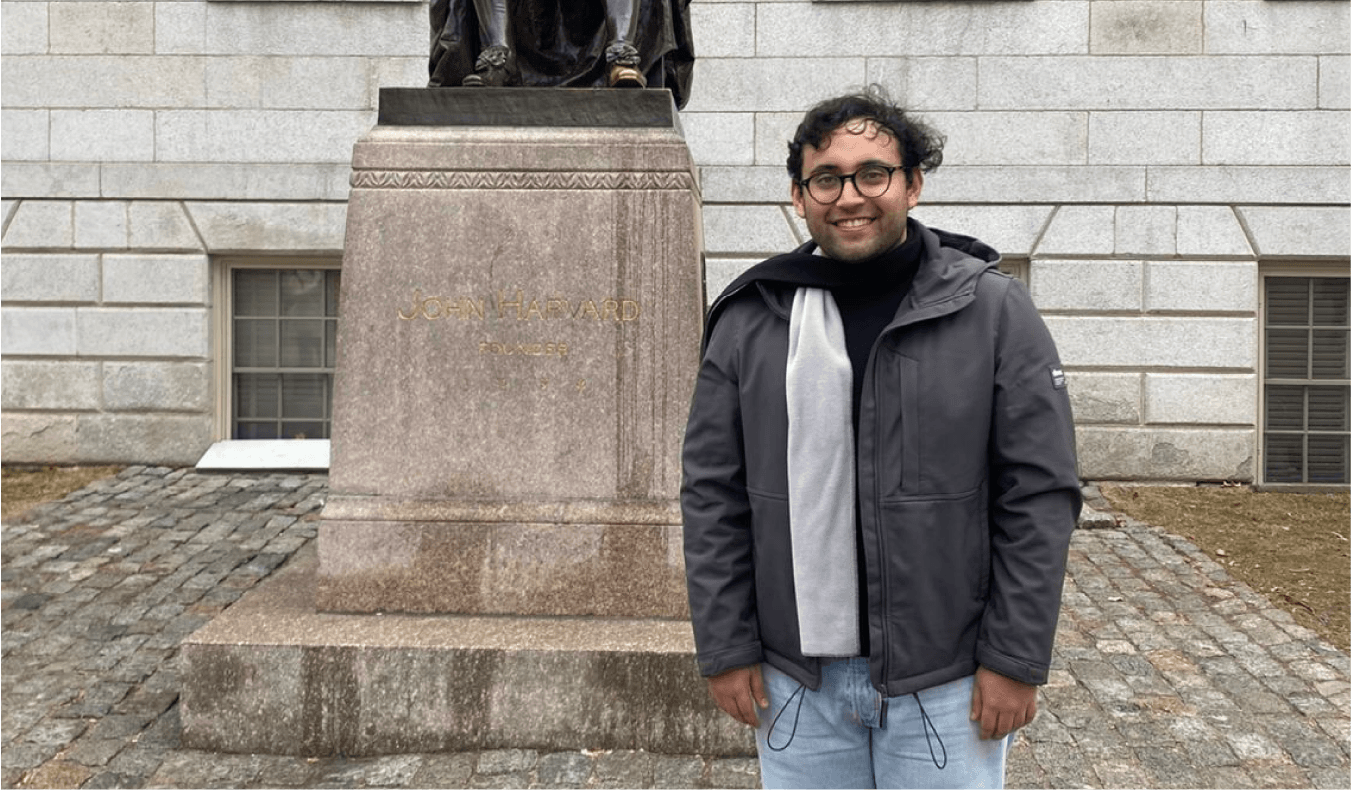
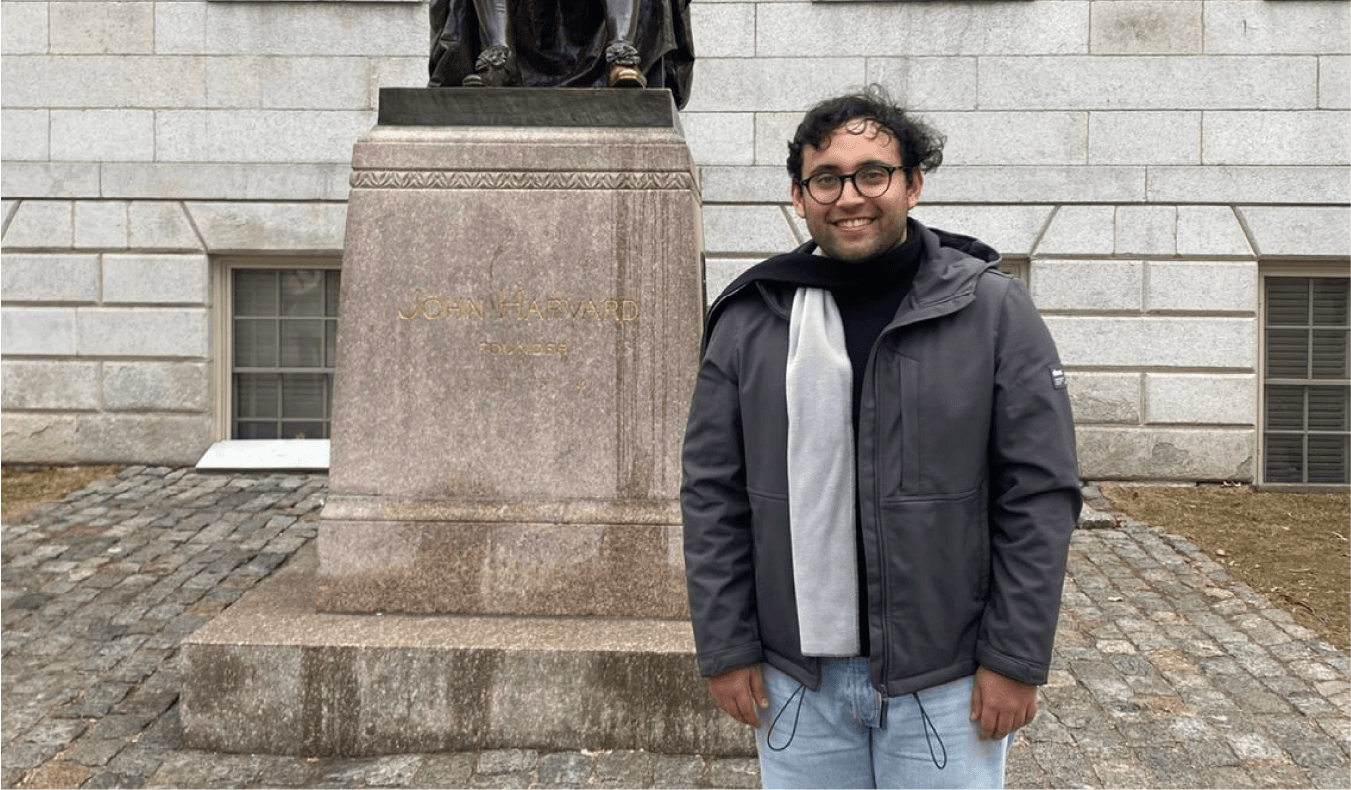
During March 2025, Juan Sebastián Lemos, a student of the Master's program in Economics PEG at Universidad de los Andes, made a one-month academic stay at the Harvard Graduate School of Education. With the support of TREES, this experience contributed to Juan Sebastián's formative process as a researcher, broadening his academic and personal perspectives. What was this experience like for him? Below, we share his testimony.
Thanks to the support of TREES, I had the opportunity to do an academic stay at the Harvard Graduate School of Education, an opportunity that marked both my professional and personal growth and that leaves me with experiences and learning that otherwise I would not have been able to live.
On a personal level, this experience transformed my perspective on what is possible. Studying at Harvard had never been an even imaginable option for me, but today it has become a real dream that I strive for at work every day. Living in another country, adapting to a new culture and communicating in a different language was a major challenge, as I had not had the opportunity to do so before. However, this was also an opportunity to broaden my knowledge, question my place in the world, the opportunities and privileges I have and strengthen my autonomy.
On a professional level, the stay allowed me to advance more quickly and in greater depth in my research project. I attended seminars and classes given by leading professors in education research, which enriched my ideas and opened new avenues to continue expanding my research agenda. I participated in discussions with doctoral students who shared their experiences with me. This allowed me to better understand how academic trajectories are constructed in international contexts. I learned new methodologies and research approaches that complement my previous training and gained confidence in my ability to contribute, from my experience, to conversations and decisions in the research project I am working on.
Finally, I was also able to establish links with students and researchers from different countries who share similar interests. At the same time, being surrounded by such skilled people in such a demanding environment was a challenge, but also a motivation to reflect on the quality of my education in the eyes of a future international projection. In short, this experience gave me more than knowledge: it gave me clarity about my vocation, new tools for my academic and professional development, and the impetus to keep striving.
Applications are now open for the workshop Cinema and views on social differences, a space aimed at small and large content creators and influencers, youtubers, The company's members are communicators, publicists and journalists (affiliated to a media outlet or independent).
We will select a maximum of 25 people who will receive a scholarship to participate in four sessions dedicated to exploring, through film, different ways of seeing, thinking and communicating social differences.
Workshop description
The workshop Cinema and views on social differences is a reflective, experiential and creative space. aimed at people who communicate, rather than moviegoers. It takes advantage of the stories, spaces, costumes and other elements of cinema to open conversations about social differences and create content based on these reflections.
To whom it is addressed
The workshop is for people who participate in the process ofcontent creation, of journalistic production, multimedia formats, communication strategies, advertising campaigns. Those who wish to apply to this call do not necessarily have to address social, political or film-related issues in their practice. They should be interested in reflecting, and listening to diverse positions, on how social differences are told, represented and transmitted, not only in the films they will see, but also in the media, digital content and advertising campaigns in which they participate.
What will the selected individuals receive?
A scholarship to participate in the 12-hour workshop, divided into 4 sessions of 3 hours each, organized by TREES and to be held on the campus of the Universidad de los Andes.
A certificate of completion of the workshop, issued by Continuing Education of the Universidad de los Andes.
Application requirements
Demonstrate that you belong to the world of communication, journalism, advertising, content creation, independently or with affiliation to a company/media.
Availability to attend in person to all of the sessions of the saturday, march 15 at saturday, april 05 2025 (from 10:00 a.m. to 1:00 p.m.), at the Universidad de los Andes in Bogota.
We will give priority to applicants whose main activity is communication and content creation, rather than approaching these topics from academic fields.
Applicants should not necessarily have prior knowledge of film.
Willingness to create a journalistic or communication product that reflects the knowledge acquired throughout the workshop. This could be published in TREES digital dissemination channels.
Registration
To apply, click on the link and fill out the form, which will be available until the deadline. sunday, february 23 at 6:00 p.m.
TREES (Teaching and Researching Equitable Economics from the South), an initiative of the Center for Economic Development Studies (CEDE) of the Universidad de los Andes, promotes and participates in dialogues on inequalities from the global south through rigorous research, pedagogical innovation and advocacy on inequality narratives.
This workshop was created and will be led by
María Paula Dueñas Pérez
Sociologist, student of Spatial Analysis, facilitator and arts enthusiast.
Simón Dueñas García
Professional in literary studies, master in philosophy, cinephile, content creator and pedagogue.
Registrations are now open for the third edition of the Complexity Global School (CGS). As last year, the school will be in the Universidad de los Andes (Uniandes), in Bogota, Colombia. However, for the first time, people from any country will be able to apply. Approximately 60 students will be selected to participate in the school, which will be from July 28 to August 8, 2025. Thanks to the support of the Omidyar Network and the Ford Foundation, The school will be completely free for all admitted students, including tuition, room, board and a transportation stipend. The deadline for apply to is the March 2, 2025.
“We are looking for courageous thinkers who want to learn new methods while helping us seek new paradigms for understanding political, economic and social life.”, notes Will Tracy, organizer of the event and vice-president of the Santa Fe Institute. “Our search for new paradigms is deeply interdisciplinary. We are interested in early-career academics in the social and natural sciences, as well as intellectually motivated professionals from government, civil society and the private sector.”
The CGS includes a series of lectures that introduce the fundamental mechanisms and models of complex systems and their relationship to political economies. Major topics include network analysis, computational social science, applied scaling theory, emergent engineering, and digital humanities. Students will learn to apply these topics, methods and models to diverse phenomena such as inequality, climate change, belief dynamics, technological disruption in social systems, federalism and the future of work.
Juan Camilo Cardenas, professor of the Faculty of Economics at Uniandes and one of the leaders of the initiative. TREES, highlights the benefits of applying a complex systems approach to the study of inequalities: “Complexity helps us to better understand inequalities because it allows us to see how differences between individuals and groups generate social tensions, especially when those inequalities are perceived as unfair or negative. In complex systems, patterns emerge that are not explained just by looking at individual decisions, but by understanding how people interact with each other. This makes some inequalities difficult to predict with traditional methods. By bringing together students from different countries and disciplines, we can find new ways to understand how diversity, inequalities and differences are related, and thus find more effective solutions to inequalities that harm society and the planet.”
The CGS includes on-site and remote components. The component on-site consists of a 12-day intensive program which focuses on interaction between teachers and students, as well as the formation of project groups. During the remote component - from August to November - students will collaborate virtually with their groups to finalize projects.
“The most valuable thing has been interacting with other people, especially learning to overcome language barriers - not only language barriers, but also academic language barriers.” states Ebba Mark, D. student in social and economic inequality at the University of California, Berkeley. Oxford University, who attended the CGS 2024. These interactions also help to reframe and deepen the research questions. “Every time you bring up a topic that interests you, everyone challenges you to define it a little better and to question the assumptions that underlie the way you plan to research it.”
Qixin Lin, student of computational social sciences at the University of Chicago, The company expected to address questions about social inequalities, labor and employment during the CGS 2024. “After studying here, I learned that sociology will not be the only approach I will use to tackle the problem,” points out. “Now I can also work with physicists and economists, and use other approaches to find solutions.”
Patricio Cruz and Celis Peniche, student of the CGS 2024 and fifth year doctoral student at the University of California, Davis, investigates how North American religious ideas have spread through cultural transmission in Latin America. “I initially came here with the idea of exploring questions related to how and why ideas travel through groups,” he says. Instead, he became involved in a project exploring why people undertake interdisciplinary research, despite the additional challenges of breaking disciplinary conventions. The members of his project group represented five countries and brought expertise in economics, physics, engineering, anthropology and mathematics, making the question self-referential, he says. “In some ways, we're trying to figure out what motivates us to do it, especially when it's so difficult and requires a lot of effort.”
The first Complexity Global School was held simultaneously in India and South Africa in December 2023 and was open to students from South Asia and Africa, respectively. Participants from both venues - organized by the Indian Institute of Technology, Bombay, and the University of the Witwatersrand, South Africa - attended conferences and transcontinental online group projects. The second edition was held at Uniandes, Bogota, Colombia, in the summer of 2024, and was open to students from Latin America, Western Europe, the Caribbean, USA and Canada. The Complexity Global School is inspired by the Complex Systems Summer School from Santa Fe Institute, which has been in operation for more than 30 years and whose alumni have held prominent positions in academia, government and industry. Proof.
NOTE: The school will be conducted in English, so a good command of the language is essential.